Weave Ghana Donates Insect Control Products to Flood-Hit Accra Communities
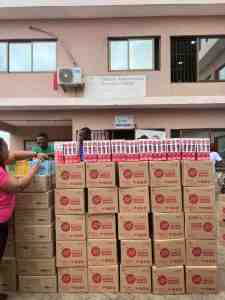
Following severe flooding in Accra caused by heavy rains, Weave Ghana—a subsidiary of Godrej Consumer Products Ltd.—has delivered donations of Good Knight Power Shot and Aer Power Pocket to support residents in Tema West, Ayawaso Central, and Ayawaso West Wuogon. The initiative targets a critical public health challenge that emerges in the aftermath of natural disasters: the rapid proliferation of disease-carrying insects in waterlogged environments.
Addressing Post-Flood Health Risks
Flooding creates ideal breeding conditions for mosquitoes and other vectors, significantly raising the risk of malaria and other insect-borne illnesses among affected populations. As families return to damaged homes and communities begin reconstruction efforts, the threat of disease outbreaks becomes a pressing concern alongside physical recovery. The insecticide donation is designed to help households protect themselves during this vulnerable period.
Good Knight Power Shot operates differently from traditional aerosol sprays. The concentrated, non-propellant formula contains no gas or kerosene, instead relying on active ingredients that diffuse naturally throughout a room when applied. A single bottle provides protection for approximately 50 nights, with residents needing only two shots per application in room corners. Notably, spaces can be safely occupied immediately after treatment, making it practical for families living in flood-affected homes.
The product's formulation includes a pleasant fragrance, distinguishing it from harsher chemical alternatives that may deter household use. The Municipal Assemblies will oversee distribution to affected households, integrating the donation into broader recovery and public health coordination efforts across the three municipalities.
Why It Matters for Ghana
Flooding remains a recurring challenge in Accra and other Ghanaian cities, with climate patterns and infrastructure limitations creating annual risks during the rainy season. The health consequences of flooding extend well beyond immediate water damage—disease outbreaks in the weeks following floods can compound human suffering and strain already-stretched health systems. Children, elderly residents, and those with existing health conditions face heightened vulnerability to malaria and dengue fever, conditions that can prove fatal without prompt treatment.
Corporate interventions like Weave Ghana's donation highlight how private sector engagement can complement government disaster response efforts. However, such initiatives also underscore a broader reality: Ghana's urban drainage systems and flood management infrastructure require sustained investment to reduce vulnerability. While product donations address immediate symptoms, systematic improvements to stormwater management, waste collection, and urban planning remain essential for long-term resilience.
The timing of this intervention—during the active recovery phase—demonstrates recognition that post-disaster disease prevention is as critical as emergency water and shelter provision. For residents rebuilding their lives, reduced risk of illness can mean staying employed, keeping children in school, and avoiding costly medical expenses that could deepen economic hardship.
Community Recovery Support
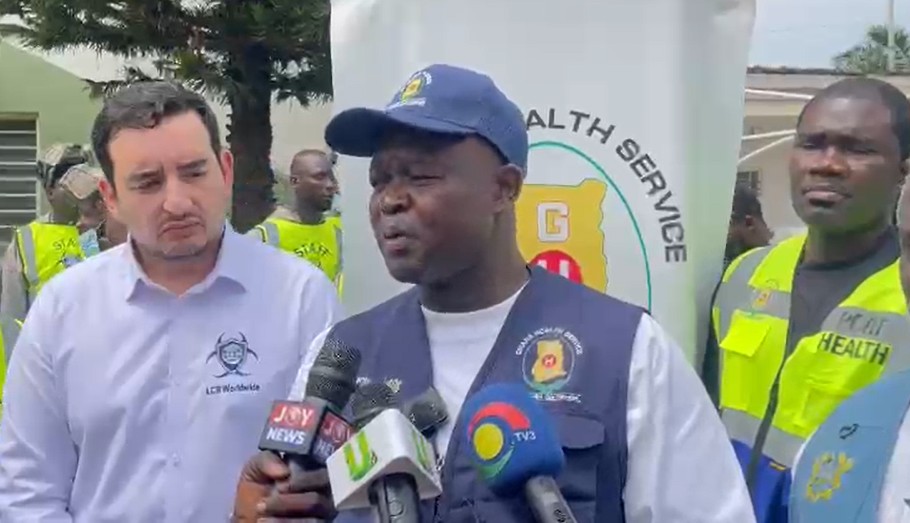
Weave Ghana's partnership with the Municipal Assemblies reflects a coordinated approach to disaster response. Rather than bypassing local government structures, the company works through existing administrative channels, ensuring products reach intended beneficiaries and supporting municipal capacity. This approach also enables tracking and accountability for aid distribution.
As Accra continues to recover from recent floods, multiple actors—government agencies, NGOs, and private companies—are contributing to restoration efforts. Disease prevention through vector control represents one critical strand of comprehensive recovery, alongside rebuilding infrastructure, restoring livelihoods, and addressing trauma. The effectiveness of such donations ultimately depends on consistent distribution, proper product usage by households, and sustained commitment to public health messaging in affected communities.
Source: Ameyaw Debrah



Comments (0)
Be the first to comment.