US-Iran strikes shake Middle East; shipping through critical Hormuz Strait plummets
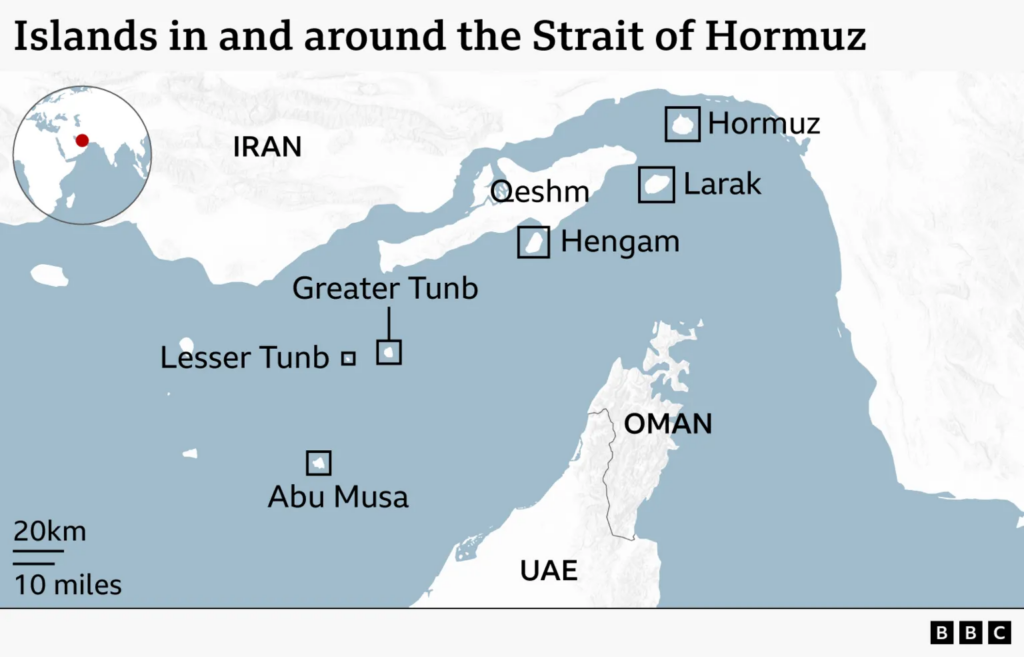
Military tensions between the United States and Iran have intensified dramatically over the past 48 hours, with both nations launching significant strikes across the Middle East. The escalation is already having severe consequences for international commerce, with shipping traffic through the Strait of Hormuz—one of the world's most critical waterways—collapsing to historic lows.
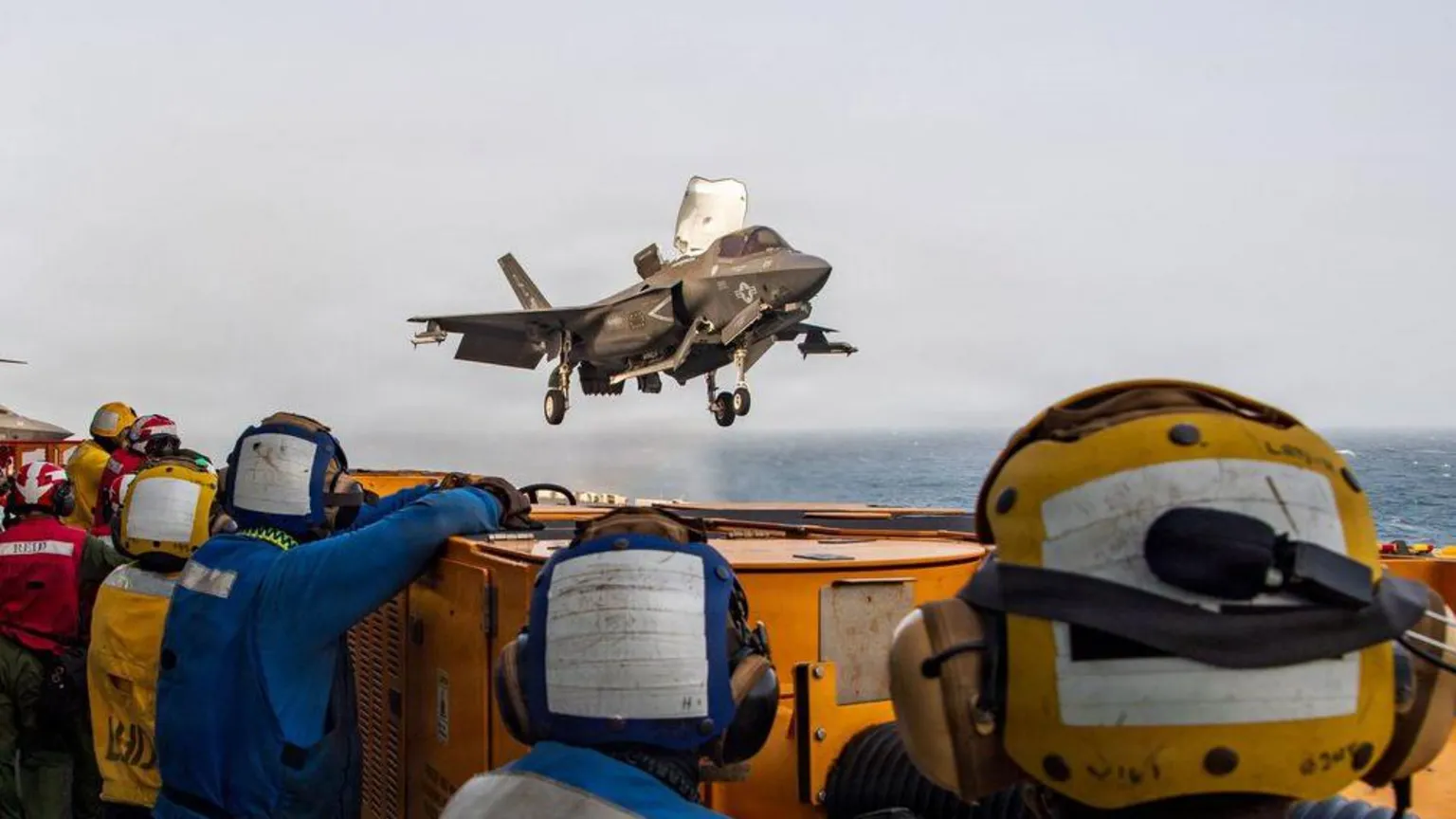
The US military conducted strikes on approximately 90 Iranian military targets, including air defence systems and logistics infrastructure along Iran's coastline. In response, Iran's Islamic Revolutionary Guard Corps (IRGC) launched retaliatory attacks on American military installations in Kuwait and Bahrain, describing the strikes as the "first phase of the punitive response against the American treaty-breakers."
According to Iran's Ministry of Health, the two days of hostilities have claimed 14 lives and injured 78 people, with 47 remaining hospitalised. Iranian authorities have also reported significant infrastructure damage, including hits to railway bridges connecting Tehran to Mashhad, where a major funeral service was scheduled.
Shipping crisis threatens global trade
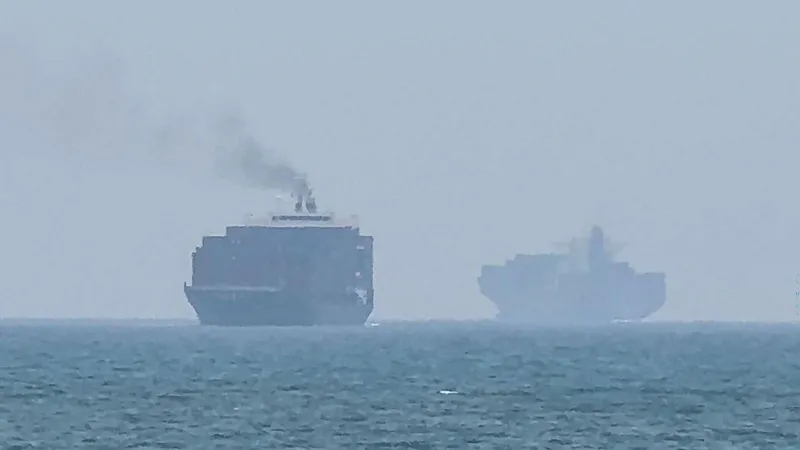
The immediate impact on international commerce has been dramatic. Phil Belcher, marine director at Intertanko, reported that daily vessel traffic through the Strait's southern route has plummeted from approximately 70 ships per week to single figures—down from a pre-conflict norm of 130 daily transits. About 20 vessels are now using the northern route under Iranian oversight, but the overall disruption represents a catastrophic decline in shipping activity.
Belcher noted that shipping sentiment had briefly improved following a US-Iran memorandum of understanding signed the previous month, but the latest escalation has reversed those gains entirely. The cyclical nature of attacks and ceasefires is creating severe psychological and economic pressure on seafaring crews and shipping businesses operating in the region.
Why it matters for Ghana
Ghana's economy is significantly exposed to disruptions in Middle Eastern energy markets and international shipping lanes. As an oil-producing nation and a major port hub for West African trade, Ghana depends on stable petroleum prices and reliable global shipping routes. The Strait of Hormuz carries approximately one-third of the world's maritime oil shipments; any sustained blockage would drive energy costs higher globally, affecting Ghana's fuel prices and industrial competitiveness.
Additionally, Ghanaian importers and exporters relying on international shipping face mounting insurance costs and route diversions around volatile regions. The shipping industry's retreat from the Strait indicates genuine fear of escalating conflict, which could disrupt Ghana's supply chains for manufactured goods, spare parts, and other critical imports. Regional instability also risks broader economic contagion affecting African economies dependent on global trade and investment.
The escalation and outlook
Iran's parliamentary speaker Mohammad Bagher Ghalibaf, who also serves as the country's chief negotiator with the US, warned on social media that America "still hasn't learned that bullying and breaking promises are no longer cost-free," and declared that the Strait of Hormuz would only open under Iranian terms, not "American threats."
Both sides have accused the other of initiating hostilities. The US Central Command framed its strikes as necessary to "further degrade Iran's ability to attack commercial shipping and innocent civilian mariners." Iran's Foreign Ministry denounced US actions as a "gross war crime" and described the American administration in inflammatory terms.
The current cycle of tit-for-tat strikes creates significant uncertainty for global energy markets and trade. As long as military escalation continues, merchant vessels are likely to remain cautious about transiting the Strait, potentially forcing longer, costlier shipping routes around Africa and Asia—a development that would ripple through supply chains affecting economies worldwide, including Ghana.
Source: MyJoyOnline


Comments (0)
Be the first to comment.