Middle East tensions fuel fresh uncertainty for Ghana's petrol pumps
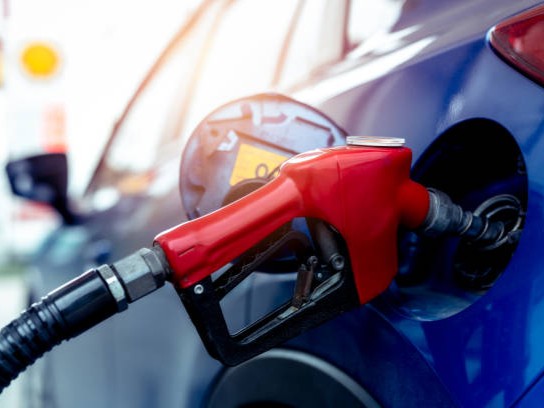
Ghana's fuel sector faces a mounting challenge from geopolitical turmoil in the Middle East, with renewed tensions between the United States and Iran threatening to keep petroleum prices volatile and unpredictable. The collapse of peace efforts has reignited concerns about global oil supply disruptions, leaving Ghana's downstream petroleum industry bracing for sharp swings in fuel costs.
Dr Riverson Oppong, Chief Executive Officer of the Chamber of Petroleum Consumers (COMAC), warned on Thursday that the uncertainty stemming from the US-Iran standoff shows no signs of abating. As a fuel-importing nation heavily dependent on refined petroleum products, Ghana remains exposed to the ripple effects of Middle Eastern instability, with international crude price movements directly affecting what Ghanaians pay at the pump.
The dual squeeze on fuel marketers
While rising fuel prices allow Oil Marketing Companies (OMCs) and Bulk Distribution Companies (BDCs) to pass higher costs to consumers, falling prices create far more severe financial strain. Dr Oppong explained that the real danger emerges when companies purchase fuel at elevated prices, only to watch international prices collapse before those products reach local markets. When this occurs, retailers face a painful choice: absorb losses or sell at reduced margins.
"Imagine buying at a higher price within a window, and you wake up, and the next window price has gone down. You've knocked your price," the COMAC CEO said, illustrating the precarious position of fuel distributors operating in volatile markets. This dynamic creates a compounding effect throughout Ghana's entire fuel supply chain, affecting not just retailers but ultimately consumers and businesses reliant on steady energy costs.
Why it matters for Ghana
For a developing economy like Ghana, fuel price volatility presents multiple cascading problems. Sudden petrol and diesel price increases feed directly into transport costs, raising prices for goods and services across the economy. Unpredictable fuel expenses make it harder for businesses to budget and plan, deterring investment and hampering economic growth. Manufacturing sectors dependent on fuel-powered machinery and logistics operations face razor-thin margins when energy costs swing wildly.
The geopolitical nature of this risk means Ghana has limited control over outcomes. Unlike domestic monetary or fiscal policy, Middle Eastern conflicts exist entirely outside the country's sphere of influence. Yet the consequences—ranging from inflation pressures to reduced competitiveness for Ghanaian exporters—are very real.
Dr Oppong noted that hedging, a financial tool often cited as a solution for managing price risk, remains impractical for Ghana's retail fuel business. The structural constraints of the local market, combined with limited access to sophisticated hedging instruments, leave Ghana's petroleum sector somewhat exposed.
What lies ahead
Until geopolitical tensions ease, fuel marketers will continue operating under conditions of elevated uncertainty. Each international news development from the Middle East has the potential to trigger sharp price movements, creating an environment where planning becomes difficult and risk management becomes expensive.
For Ghanaians and businesses relying on affordable, stable fuel supplies, the outlook depends on developments beyond the nation's borders. The coming weeks will likely determine whether Middle Eastern tensions escalate further or stabilise, and consequently, whether Ghana's fuel market finds steadier ground or faces continued turbulence.
Source: MyJoyOnline
Comments (0)
Be the first to comment.