US-Iran tensions escalate with fresh strikes as Middle East shipping routes face disruption
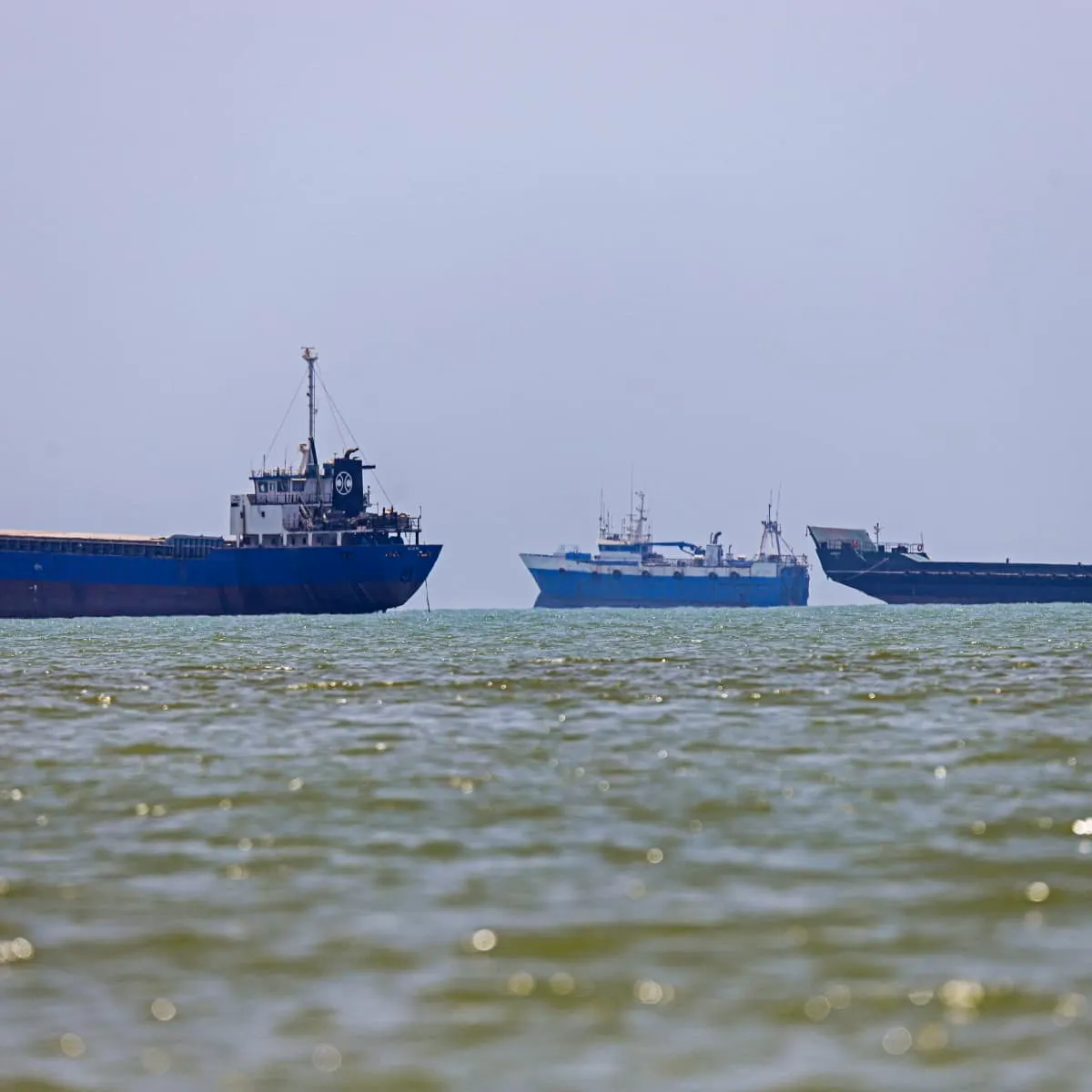
Tensions between the United States and Iran have reached a critical point this week, with the US military launching a third round of strikes against Iranian targets following an attack on a Cyprus-flagged vessel in the Strait of Hormuz. The incident has triggered concerns about the stability of one of the world's most critical shipping lanes, with potential ripple effects across global commerce and energy markets.
According to US Central Command, the strikes came in response to Iranian Revolutionary Guard Corps (IRGC) forces attacking the merchant vessel in the strategically vital waterway. Iran subsequently announced the closure of the Strait of Hormuz, a move that threatens to disrupt billions of dollars in daily international trade.
Why this matters for Ghana
For Ghana and other West African nations, instability in Middle Eastern shipping corridors has direct economic consequences. Many Ghanaian imports and exports pass through or depend on stable global supply chains linked to these routes. Disruptions to the Strait of Hormuz can affect oil prices globally, which in turn impacts fuel costs at the pump in Ghana and increases transportation costs for goods. Additionally, Ghanaian shipping companies and traders operating in international markets may face higher insurance premiums and delayed deliveries if regional tensions continue to escalate.
The situation also has broader implications for ECOWAS and African trade. Higher energy costs affect manufacturing competitiveness across the continent, and any prolonged Middle Eastern conflict could divert international attention and investment away from African development priorities.
Regional tensions at critical juncture
The Strait of Hormuz serves as a crucial chokepoint through which roughly one-fifth of global oil passes daily. Any sustained closure or military activity in the region poses risks to energy security worldwide. The escalation this week marks the third US military response in days, suggesting a rapidly intensifying cycle of tit-for-tat confrontation between the two powers.
The attack on the Cyprus-flagged ship represents a significant escalation, as it directly targeted commercial shipping rather than military assets. This development signals Iranian willingness to target civilian vessels, which raises the stakes considerably and could prompt international maritime powers to increase naval presence in the region for protection purposes.
What happens next
The closure of the Strait of Hormuz, if sustained, could force alternative routing for oil shipments, increasing transport costs and delivery times. This could have cascading effects on global energy prices and economic activity. For Ghana specifically, any prolonged disruption would likely be felt through increased fuel costs, which carry downstream effects on inflation and economic growth.
International bodies, including the UN and maritime organisations, may become involved in efforts to de-escalate and ensure freedom of navigation. The situation remains fluid, and the coming days will be critical in determining whether this cycle of military strikes continues or if diplomatic channels can intervene to reduce tensions.
Ghanaians and West African businesses dependent on stable global supply chains should monitor developments closely, as further escalation could have tangible impacts on prices and availability of imported goods.
Source: 3News

Comments (0)
Be the first to comment.