Iran's Strait of Hormuz blockade threatens Ghana's fuel security and cedi stability
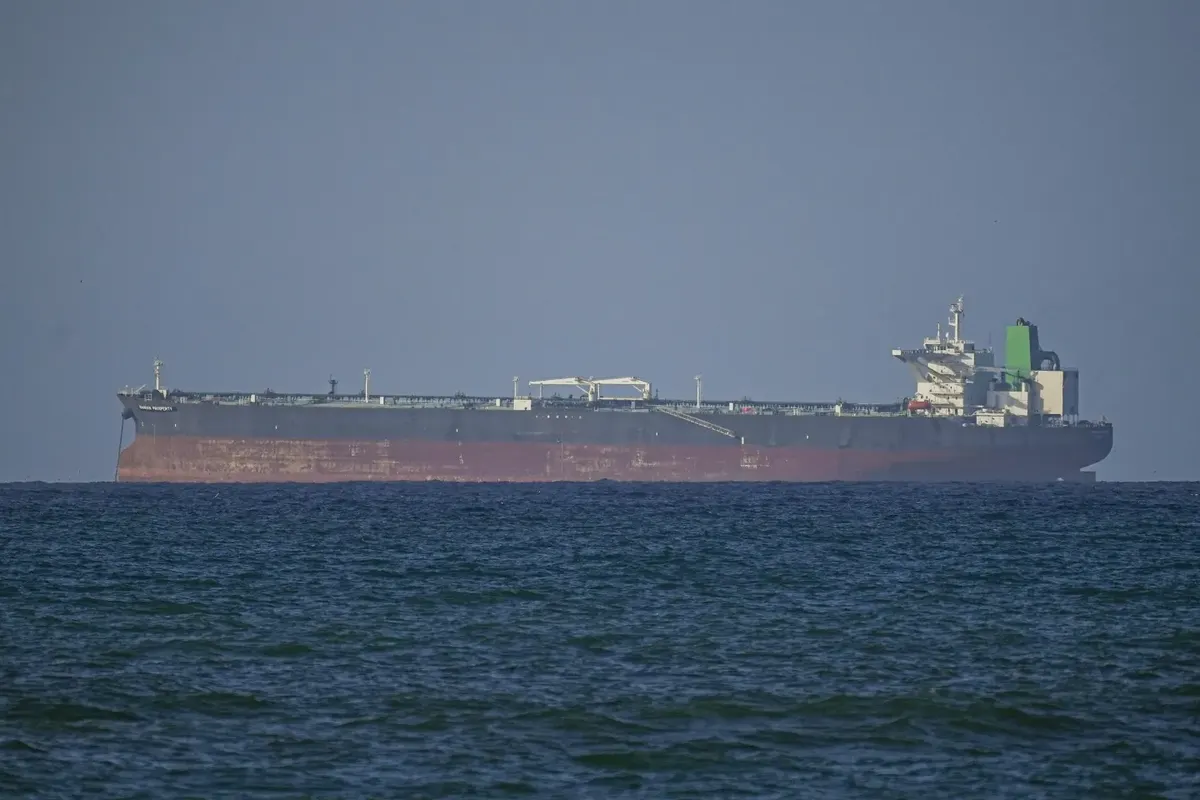
Ghana faces potential fuel supply disruptions and currency volatility following Iran's announcement that it has closed the Strait of Hormuz, one of the world's most critical maritime chokepoints. The development threatens to drive up petrol and diesel prices at the pump, adding pressure to household budgets and business operating costs across the country.
The Strait of Hormuz, situated between Iran and Oman, is responsible for approximately 20–30% of global seaborne oil trade. Any disruption to shipping through this waterway sends immediate shockwaves through international energy markets, with immediate consequences for oil-importing nations like Ghana.
How the global shock reaches Ghana's fuel pumps
Ghana imports virtually all of its refined petroleum products—petrol, diesel, and liquefied petroleum gas—rather than producing them domestically. When global oil prices spike due to geopolitical tension or supply disruptions, these costs are transmitted directly to Ghanaian consumers within weeks.
The price chain works as follows: international crude oil futures rise in response to Hormuz uncertainty; Ghana's National Petroleum Authority and fuel importers face higher costs securing supplies on the global market; these elevated import costs are passed to local retailers; and ultimately, consumers pay more at fuel stations. Because fuel prices in Ghana are partially deregulated, retailers adjust prices frequently based on global trends and currency movements.
Beyond the pump, higher fuel costs ripple through the entire economy. Transport operators increase fares, food producers raise prices due to increased logistics costs, and manufacturing becomes more expensive, potentially triggering broader inflation.
The cedi currency factor
A secondary threat emerges through Ghana's currency. When global oil prices spike, countries that import oil must spend more foreign exchange (US dollars) to purchase the same volume of fuel. This increased demand for dollars to pay for imports puts downward pressure on the cedi's exchange rate against the dollar.
A weaker cedi makes all dollar-denominated imports more expensive in local currency terms, compounding the pain for Ghanaian consumers and businesses. This currency pressure also affects Ghana's broader macroeconomic stability, particularly if the central bank must intervene to stabilise the exchange rate.
Why this matters for Ghana
Ghana's economy remains highly vulnerable to international energy shocks because of its heavy import dependence and limited domestic refining capacity. Unlike some regional peers, Ghana cannot cushion price shocks through local production. The country has oil reserves and production capacity, but refineries operate well below capacity, forcing continued reliance on imported refined products.
For ordinary Ghanaians, Hormuz disruptions translate to immediate hardship: higher transport costs, costlier food, and reduced purchasing power. For businesses, elevated fuel expenses squeeze profit margins and may trigger job losses in cost-sensitive sectors.
The situation underscores the urgency of Ghana's long-term energy strategy. Investments in refinery capacity, renewable energy expansion, and energy efficiency could reduce vulnerability to such external shocks. In the short term, however, Ghanaians should brace for potential fuel price increases and currency fluctuations in the coming weeks.
Source: 3News

Comments (0)
Be the first to comment.