Ghana's Sacred Spaces Choked by Filth: How Religious Buildings Sit Amid Mountains of Waste

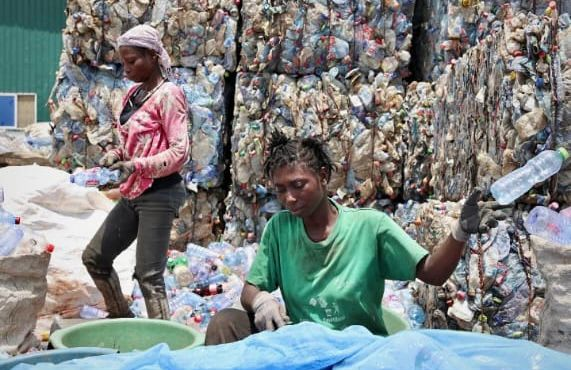
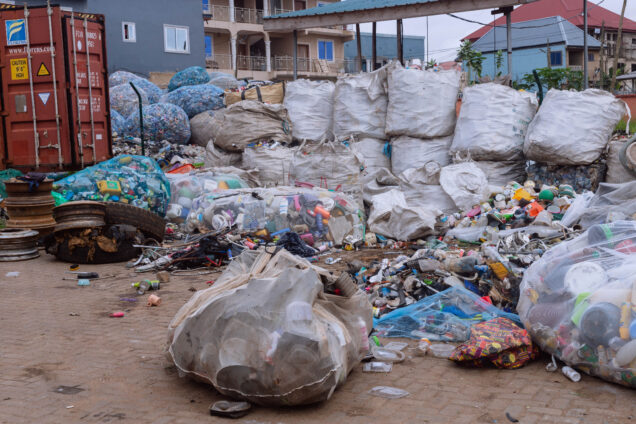
Ghana's landscape is dotted with churches, mosques, shrines and other spiritual centres that stand as beacons of faith for millions. Yet a closer look at these hallowed grounds reveals a troubling paradox: many are engulfed by piles of waste and rubbish—what Ghanaians colloquially call 'borla'—turning spaces meant for spiritual renewal into dumping grounds.
This disconnect between the sacred and the profane has become increasingly visible in communities across the country. The mountains of discarded materials, plastic waste, and accumulated rubbish surrounding these religious sites have grown so substantial that they now rival, and in some cases exceed, the physical prominence of the spiritual structures themselves. What was intended as clean, dignified spaces for worship has morphed into environments that pose health and environmental hazards.
The Scale of the Problem
The accumulation of 'borla' around religious institutions reflects broader waste management challenges in Ghana. Unlike the prayers and libations offered within these sacred spaces—rituals meant to transcend the material world—the waste piling up outside tells a starkly different story: one of neglect, inadequate sanitation infrastructure, and community indifference. The visual impact is profound. Visitors approaching these sites are confronted not with spiritual serenity but with the stench and sight of decomposing waste.
This problem is not confined to rural areas. Urban and peri-urban religious sites face identical challenges, suggesting the issue is systemic rather than isolated. From small prayer camps to established churches and mosques in metropolitan areas, waste accumulation has become normalized, even as it degrades the physical and spiritual environment.
Why It Matters for Ghana
The condition of religious spaces reflects the state of Ghana's broader environmental and public health crisis. Religious sites typically draw large congregations regularly, meaning that accumulated waste poses direct risks to worshippers, including disease vectors, contaminated water sources, and air quality degradation. Children and elderly worshippers are particularly vulnerable.
Beyond health, there is a cultural and spiritual dimension. Religious institutions are custodians of community values and moral leadership. When these spaces are neglected and surrounded by filth, it undermines their authority and the messages they preach about stewardship and respect for the environment. It also reflects a failure of both institutional management and municipal waste collection systems.
Ghana's Environmental Protection Agency (EPA) and local metropolitan, municipal, and district assemblies (MMDAs) have a responsibility to ensure waste management. Yet religious institutions themselves must also take ownership. Some communities have begun clean-up initiatives, but these remain sporadic and insufficient without systemic support.
Moving Forward
Addressing this issue requires coordinated action. Religious leaders must advocate loudly for proper waste management and involve congregations in maintaining cleanliness. Local authorities need to prioritize waste collection in and around religious precincts. Communities should establish regular sanitation schedules and engage youth in clean-up drives.
Ghana's spiritual life and environmental responsibility are not separate domains—they are intertwined. The mountains of rubbish surrounding our religious sites are a visible indictment of how far we have drifted from both. Reclaiming these spaces begins with acknowledging the problem and committing to solutions that honour both faith and the environment.
Source: 3News

Comments (0)
Be the first to comment.