Sanitation is year-round duty, not just cleanup day—Asokore-Mampong MCE tells residents
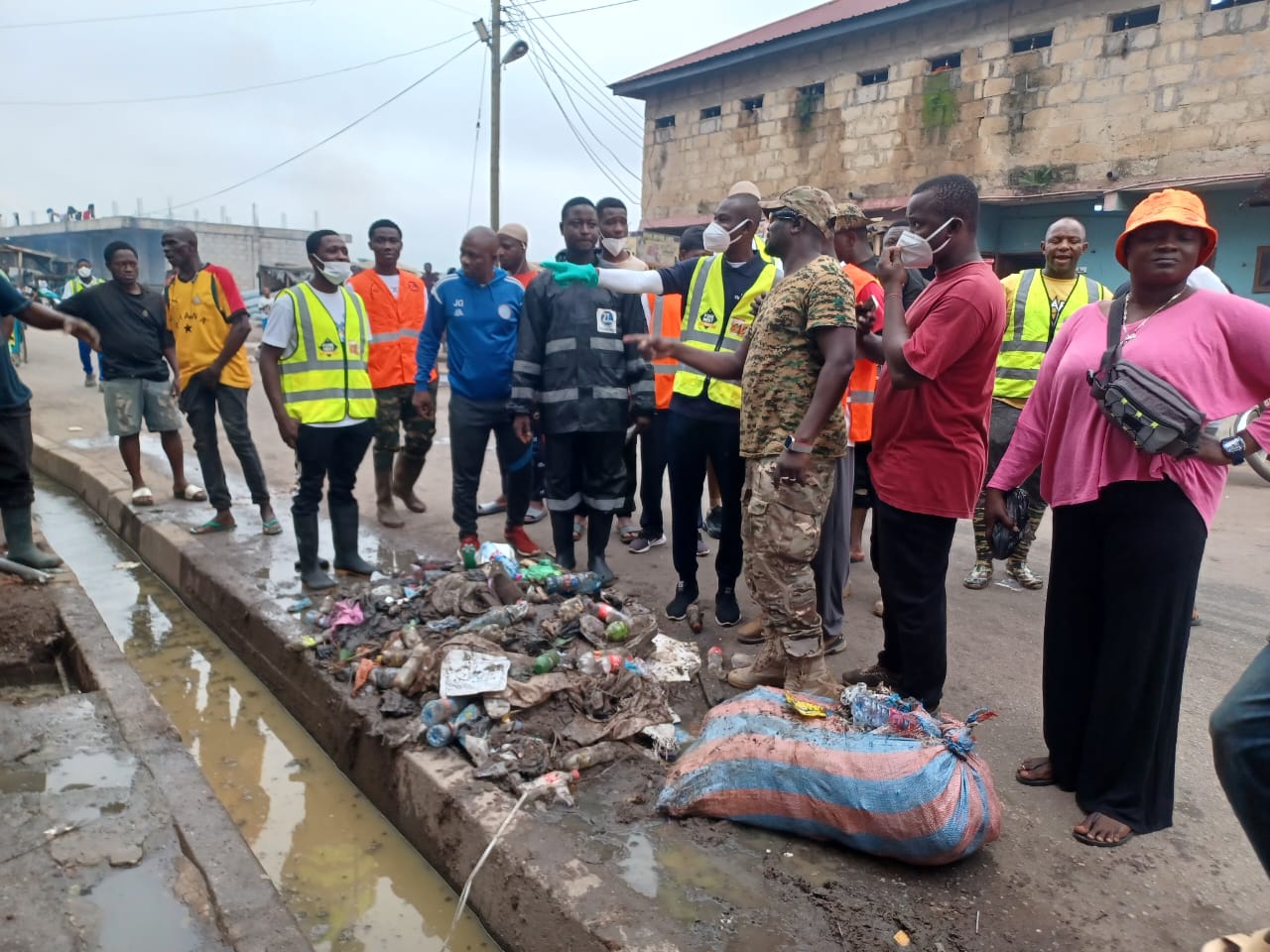
The Asokore-Mampong Municipal Chief Executive has called on residents to view environmental sanitation as a continuous responsibility rather than a periodic event, warning that poor waste management practices are directly fuelling flooding, disease and air pollution across Ghana's communities.
Addressing residents during the second day of the government's nationwide sanitation exercise, Ben Abdullah Alhassan emphasised that the two-day national cleanup initiative serves merely as a reminder for Ghanaians to maintain cleanliness throughout the year, not just during the designated period. Speaking at Aboabo Station, he stressed that keeping the environment clean is essential for personal and collective wellbeing.
The connection between waste and public health
The MCE highlighted the serious consequences of poor sanitation practices that many Ghanaians overlook. He pointed out that indiscriminate waste disposal into gutters and drains prevents water from flowing freely, creating stagnant pools that become breeding grounds for mosquitoes and other disease vectors. Additionally, the burning of refuse contributes significantly to poor air quality, leading to respiratory infections, skin irritation, and other health complications.
Mr Alhassan attributed many of Ghana's flooding problems to residents' own actions and inactions, underscoring how community behaviour directly impacts disaster risk. He commended the turnout at the Aboabo exercise, noting that public participation demonstrates growing awareness of how sanitation affects economic productivity and quality of life.
From individual action to community accountability
Rather than relying solely on government enforcement, the MCE urged residents to become sanitation watchdogs, reporting violations to the assembly for appropriate action. He stressed the importance of not shielding offenders, emphasising that sanitation compliance must be universal to be effective.
He called for regular community-organised cleanups involving religious bodies, youth groups, and local leaders. These should focus on clearing drains, sweeping walkways, ensuring proper use of refuse bins, and disposing of waste at approved sites. The MCE warned that non-participation in future sanitation exercises would result in sanctions, signalling a shift towards stricter enforcement.
Why it matters for Ghana
Ghana faces recurring challenges with flooding in urban areas, particularly during rainy seasons, with poor drainage and waste management cited as primary contributors. The national sanitation exercise reflects government recognition of this crisis, but its success depends on sustained community engagement beyond the scheduled days. With health facilities already strained by preventable diseases linked to poor sanitation, behaviour change at household and community levels is critical. The MCE's emphasis on community ownership suggests a decentralised approach to addressing what remains a persistent public health and infrastructure challenge across the country.
Source: MyJoyOnline


Comments (0)
Be the first to comment.