Ghana's Oil Industry Faces Uncertainty as Iran Blocks Strait of Hormuz
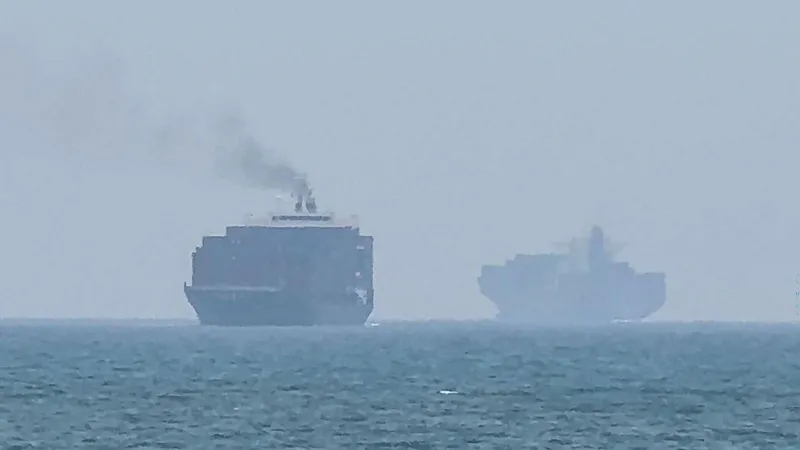
Ghana's oil and gas sector is watching closely as negotiations between Iran and Oman over reopening the Strait of Hormuz continue without clear progress. The critical waterway, through which about a fifth of the world's oil and natural gas typically flows, has been effectively blockaded since February, creating uncertainty for energy-dependent nations including Ghana.
While Oman's foreign ministry reported positive talks progressing between the two countries, Iran has made clear that any agreement would not automatically restore normal shipping traffic. Iranian Foreign Minister Abbas Araghchi stated that reopening the strait remains conditional on other factors, signalling a complex negotiation that shows no signs of immediate resolution.
Why This Matters for Ghana
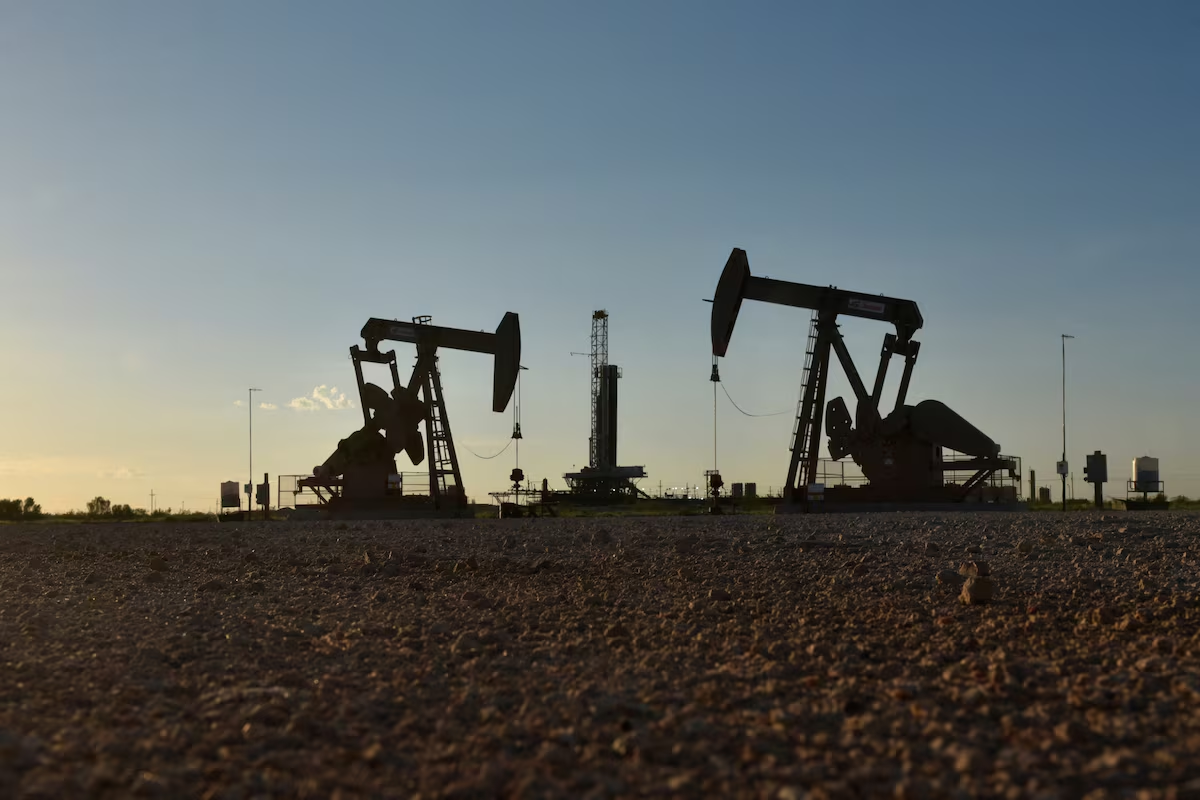
Ghana depends significantly on global oil markets and energy stability. Any prolonged disruption to one of the world's busiest shipping routes affects global oil prices, supply chains and the competitiveness of Ghanaian energy exports. The uncertainty surrounding the Strait of Hormuz could influence international crude prices, which has direct implications for Ghana's government revenue and downstream energy costs affecting households and businesses.
Beyond economics, Ghana has broader regional interests in Gulf stability through ECOWAS and African diplomatic channels. The ongoing tensions between Iran, the United States, and regional powers like Saudi Arabia create geopolitical ripples that can affect West African trade patterns and partnerships.
The Stalled Negotiations
Both Iran and Oman suggested discussions were advancing, but key disagreements remain unresolved. Iran has demanded compensation from the United States for alleged violations of a June ceasefire agreement that quickly collapsed. Tehran has listed six specific demands, including a halt to US threats, removal of naval blockades on Iranian ports, and release of frozen Iranian assets.
One contentious issue involves reported Iranian plans to impose fees on vessels crossing the strait. Reuters previously reported that Tehran was seeking tolls between 5 and 7 percent of cargo prices, though US Vice-President JD Vance disputed this, claiming Iran had told American officials there were no plans to toll the waterway.
Recent Attacks Complicate Peace Efforts
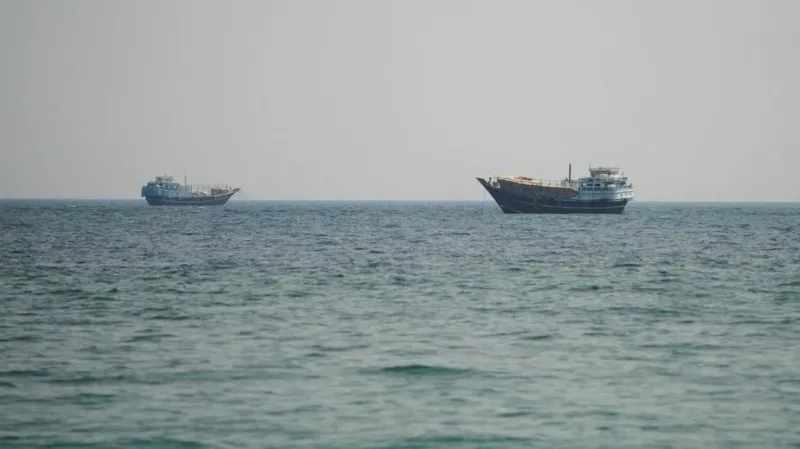
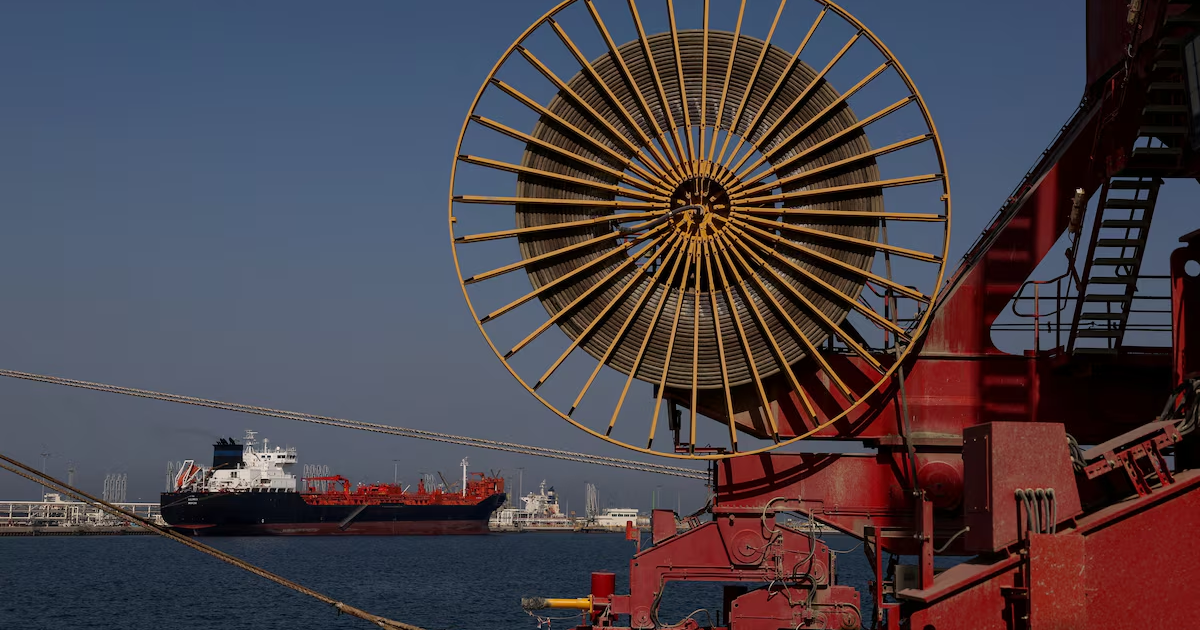
Progress in negotiations has been undermined by continued military incidents. The United Arab Emirates reported that Iran attacked an Adnoc oil tanker with a missile while it transited the strait, with no casualties reported. The UK Maritime Trade Operations agency separately reported a ship struck by an unknown projectile off Oman's coast, causing a fire that was later extinguished.
These incidents contradict Oman's warning against attacks on shipping and suggest that despite diplomatic talks, tensions remain high. US Vice-President Vance acknowledged the situation remains unresolved, telling Fox News that significant work remains even if progress is being made. President Trump had earlier suggested a deal could come soon, but the trajectory of negotiations appears uncertain.
For Ghana, the lesson is clear: global energy security is interconnected, and developments in the Middle East directly influence local fuel prices, government revenues and economic planning. Policymakers should monitor these negotiations closely and consider diversifying energy sources and supply routes where possible.
Source: The Ghana Report
Comments (0)
Be the first to comment.