Global oil prices fall as Iran-Oman talks offer hope for Strait of Hormuz reopening
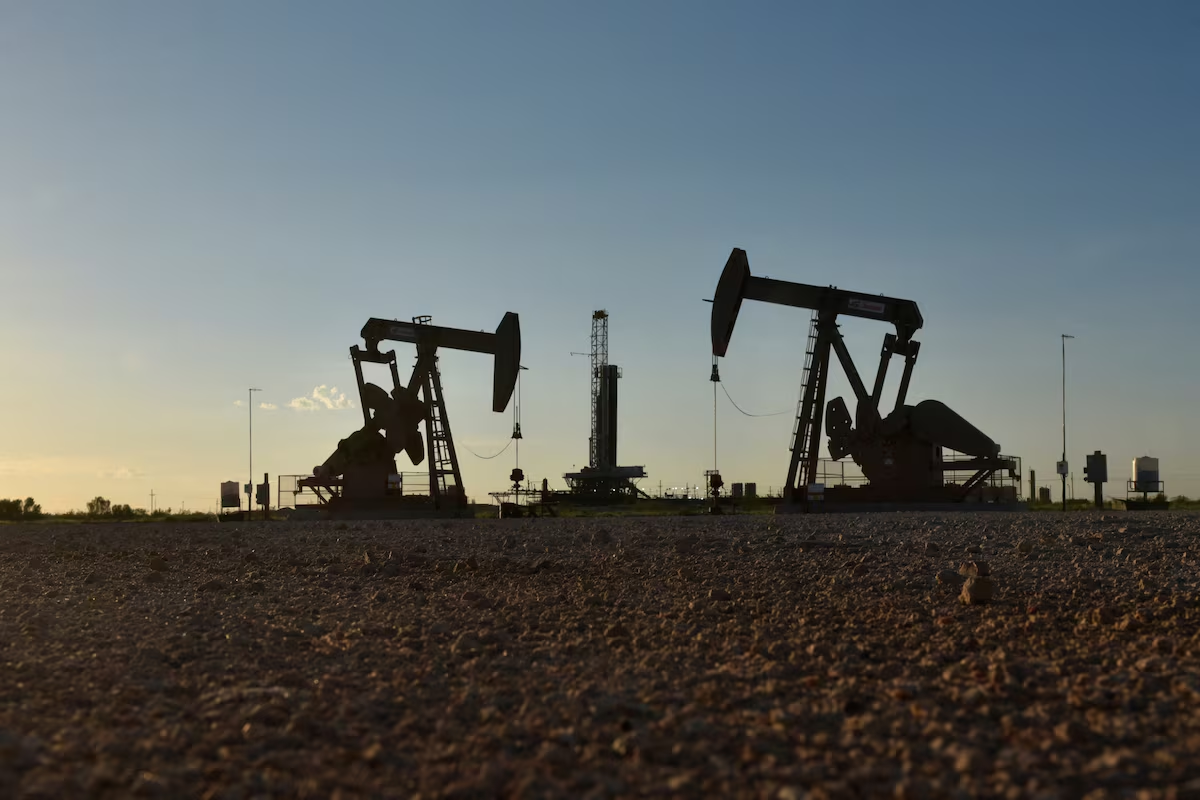
Oil markets experienced a sharp decline on Wednesday, with both major benchmarks falling roughly 2% following renewed optimism that negotiations between Iran and Oman could restore operations through the Strait of Hormuz, one of the world's most critical energy corridors.
Brent crude futures dropped $1.78 per barrel to settle at $86.80, while U.S. West Texas Intermediate (WTI) crude fell $1.49 to $80.87. Both benchmarks had already lost more than 3% during the previous trading session, extending a bearish momentum driven by easing geopolitical tensions in the Middle East.
The decline reflects investor sentiment that a potential breakthrough in the Iran-Oman diplomatic talks could stabilise one of global trade's most sensitive chokepoints. Before recent disruptions, the Strait of Hormuz facilitated approximately one-fifth of all global oil and liquefied natural gas shipments, making its status central to energy market stability and pricing volatility.
Diplomatic progress amid economic pressure
Iran has indicated it has restarted discussions with Oman regarding management of the strategic waterway, a development occurring as Tehran faces intensified economic pressure from U.S. sanctions. The two nations confirmed on Tuesday that they had discussed establishing a joint temporary navigational corridor through the strait and pledged to clear the passage of mines—concrete steps suggesting genuine movement toward de-escalation.
Market analyst Mitsuru Muraishi from Fujitomi Securities noted that whilst the selling pressure reflected optimism about the talks, underlying uncertainty about the broader geopolitical outlook has limited how far prices can fall. "Prices are likely to remain range-bound for the time being," he observed, capturing the tension between hopeful diplomacy and persistent risk factors.
The U.S. has simultaneously begun returning personnel to diplomatic missions in the Middle East that were previously evacuated or significantly downsized, a signal that Washington assesses near-term escalation risks as lower despite ongoing tensions with Iran. However, many facilities will initially operate below full operational capacity.
Why it matters for Ghana
For Ghana and other West African economies, stabilisation of the Strait of Hormuz carries substantial implications. Ghana's growing offshore oil production and petroleum-dependent revenue streams mean that global crude prices directly affect government revenue, budget planning, and domestic fuel costs. A sustained spike in international oil prices typically translates to higher fuel prices at Ghanaian pumps, affecting transportation costs, inflation, and consumer purchasing power across the economy.
Additionally, Ghana's strategic role in regional trade and as a West African energy hub means global energy market shocks ripple through local supply chains and investment decisions. Lower oil prices provide relief for fuel subsidies and import expenses, freeing resources for other development priorities. The outcome of these Iran-Oman talks therefore carries indirect but meaningful consequences for Ghana's macroeconomic environment and household budgets.
Cautious outlook amid mixed signals
Despite the diplomatic progress, complications persist. An oil tanker was struck by an unidentified projectile on Tuesday near the Strait's entrance, underscoring that risks remain. The U.S. has also expanded sanctions against Iran intended to cut off its economic lifelines, though Washington indicated it would delay imposing penalties on third-party nations conducting business with Tehran.
American crude oil inventories rose by approximately 4.2 million barrels in the week ending 21 August, exceeding analyst expectations of a 600,000 barrel increase—a supply-side factor that also contributed to downward price pressure. Official U.S. Energy Information Administration data is expected to provide further clarity on the supply situation.
Source: MyJoyOnline
Comments (0)
Be the first to comment.