
Oil prices surge as Middle East tensions escalate; what it means for Ghana's fuel costs
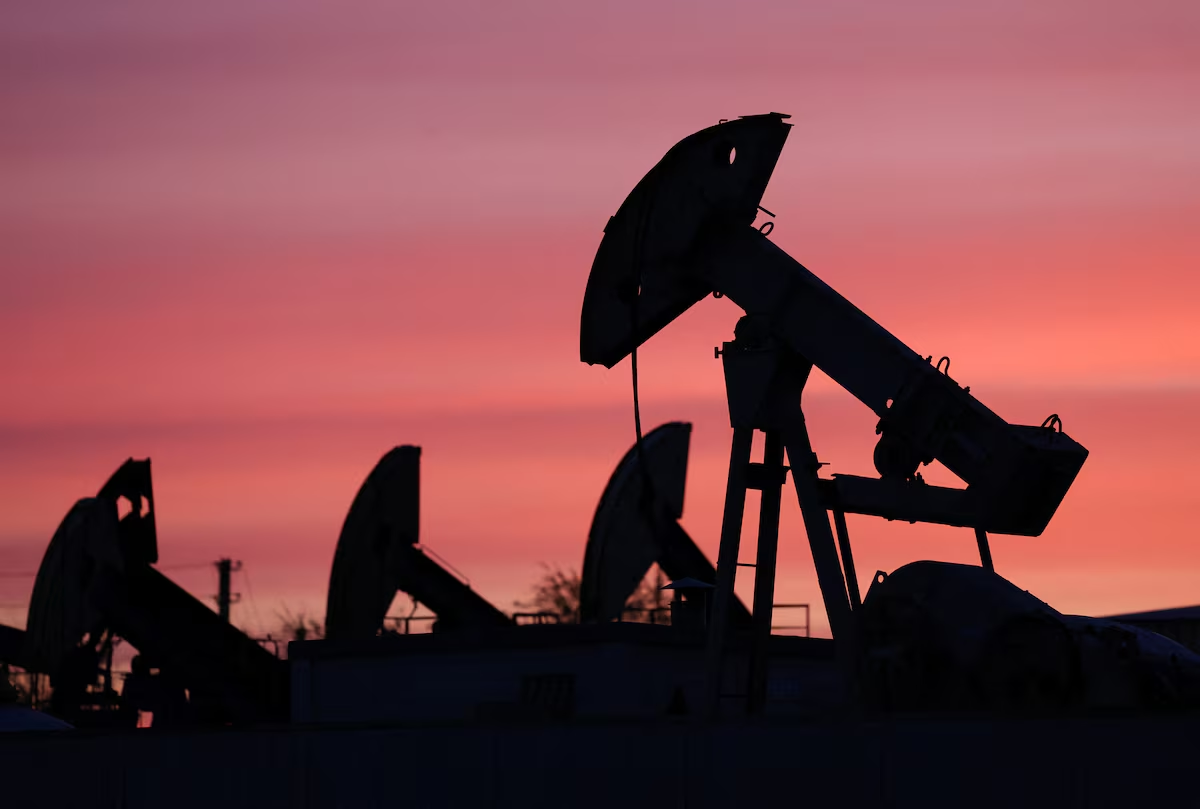

Oil prices extended their upward momentum on Wednesday as military tensions between the United States and Iran intensified, reigniting concerns about potential disruptions to global crude supplies. Brent crude rose to $95.40 a barrel whilst West Texas Intermediate climbed to $90.66, building on substantial gains from the previous trading session that marked the largest daily jumps in several weeks.
The price surge followed overnight airstrikes by the U.S. against Iranian targets, followed by retaliatory strikes from Tehran. Whilst casualty reports remain contested, with U.S. officials claiming no American deaths and Iran claiming significant casualties, the escalation represents the most serious military confrontation between the two nations in recent weeks. Jordan's military said it intercepted 10 of 13 ballistic missiles fired at its territory, whilst reports indicated drone attacks on U.S. bases in the region.
The Strait of Hormuz and global supply fears
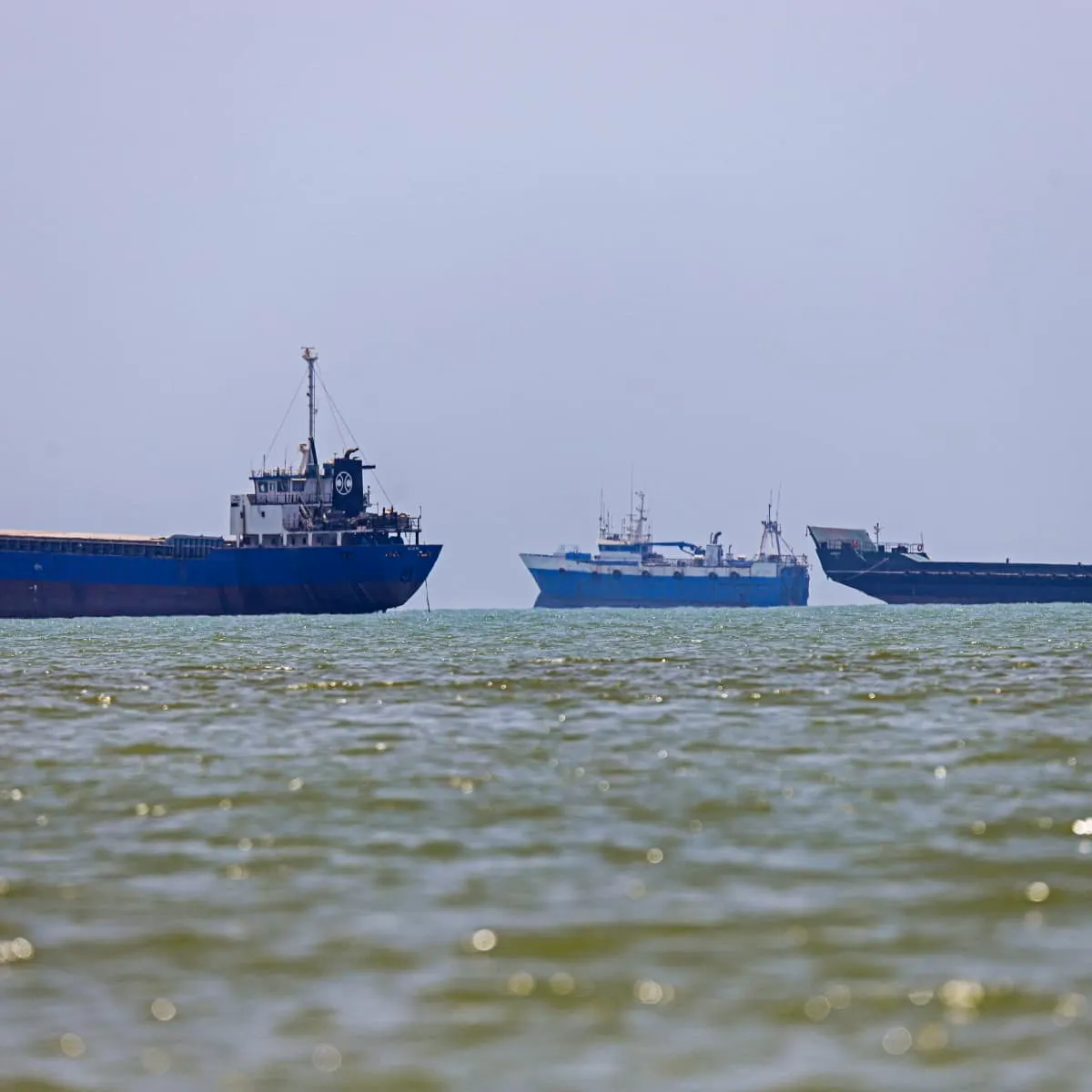
The core concern driving price increases centres on the Strait of Hormuz, one of the world's most critical shipping lanes. Before recent conflicts, the waterway handled roughly one-fifth of global oil consumption. Iran's effective closure of the strait to commercial shipping, coupled with attacks on tankers departing the passage on Monday, has sparked genuine fears about sustained supply disruptions.
Market analysts suggest the oil market is no longer simply pricing in war risk, but increasingly accounting for the costs of prolonged, unresolved conflict. Until credible negotiations produce lasting peace and normal oil flows resume through the Strait, crude prices are likely to remain elevated. The Islamic Revolutionary Guard Corps has indicated that U.S. military actions will further restrict traffic through this vital chokepoint, adding pressure to already-tight global supplies.
Why it matters for Ghana
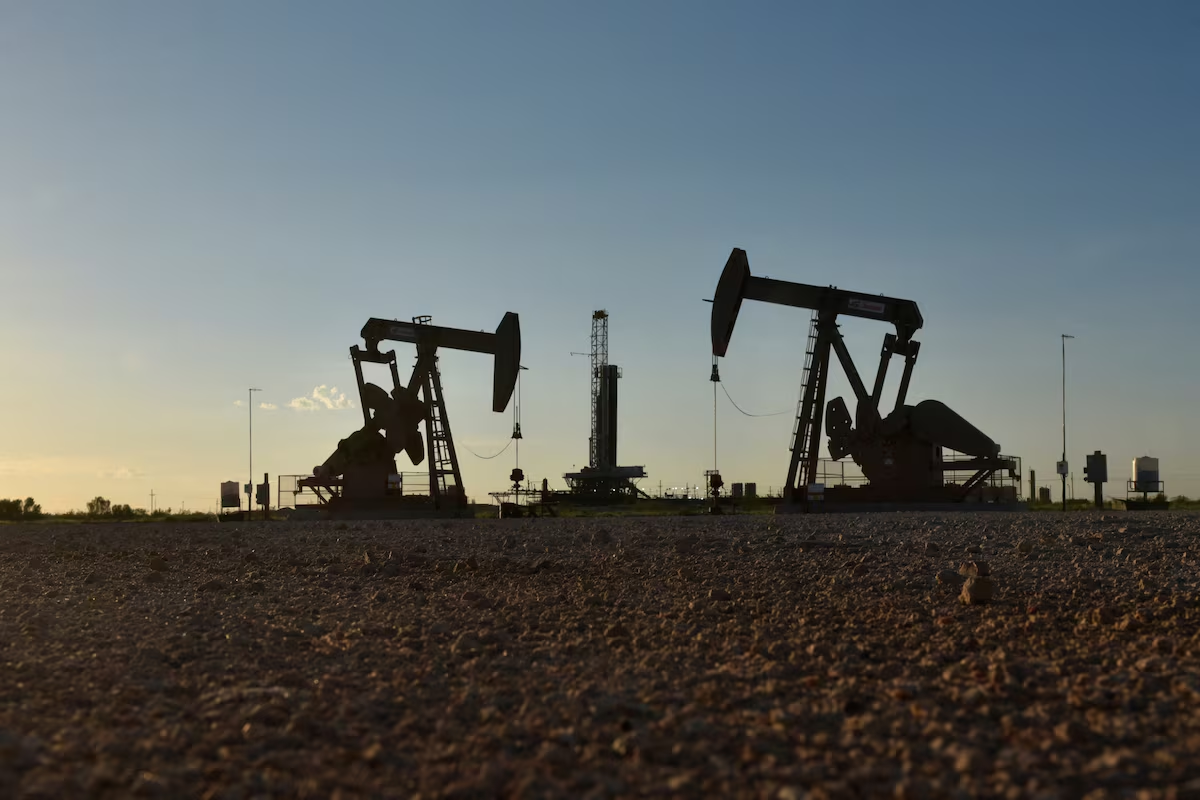
For Ghana, a crude oil-producing nation with a significant refining sector, volatile international prices directly affect domestic fuel costs and government revenue. Ghana's own oil production from fields like Jubilee and TEN contributes to export earnings, but the country also imports refined petroleum products. Sustained high crude prices translate to elevated pump prices for consumers, increased transport costs affecting goods and services across the economy, and potential strain on the national budget if crude export revenues don't offset import costs proportionally.
The West African region, including Ghana, relies heavily on fuel imports when domestic refining capacity falls short. Elevated global prices create inflationary pressure that ripples through supply chains, affecting everything from transportation to manufacturing. Additionally, if Middle East tensions persist and the Strait of Hormuz remains restricted, alternative crude sources and shipping routes will become more expensive, further pressuring fuel costs in countries like Ghana that depend on global energy markets.
Meanwhile, U.S. crude inventories fell by 2.6 million barrels in the week ended August 28, suggesting tightening supplies in the world's largest oil producer. This combination of geopolitical risk, supply concerns, and inventory declines creates an environment where crude prices could remain volatile or elevated in coming weeks, with knock-on effects for fuel-dependent economies across Africa.
Source: MyJoyOnline


Comments (0)
Be the first to comment.