Ghana Raises Cocoa Farmgate Price to GH¢42,400 Per Tonne for 2026/27 Season
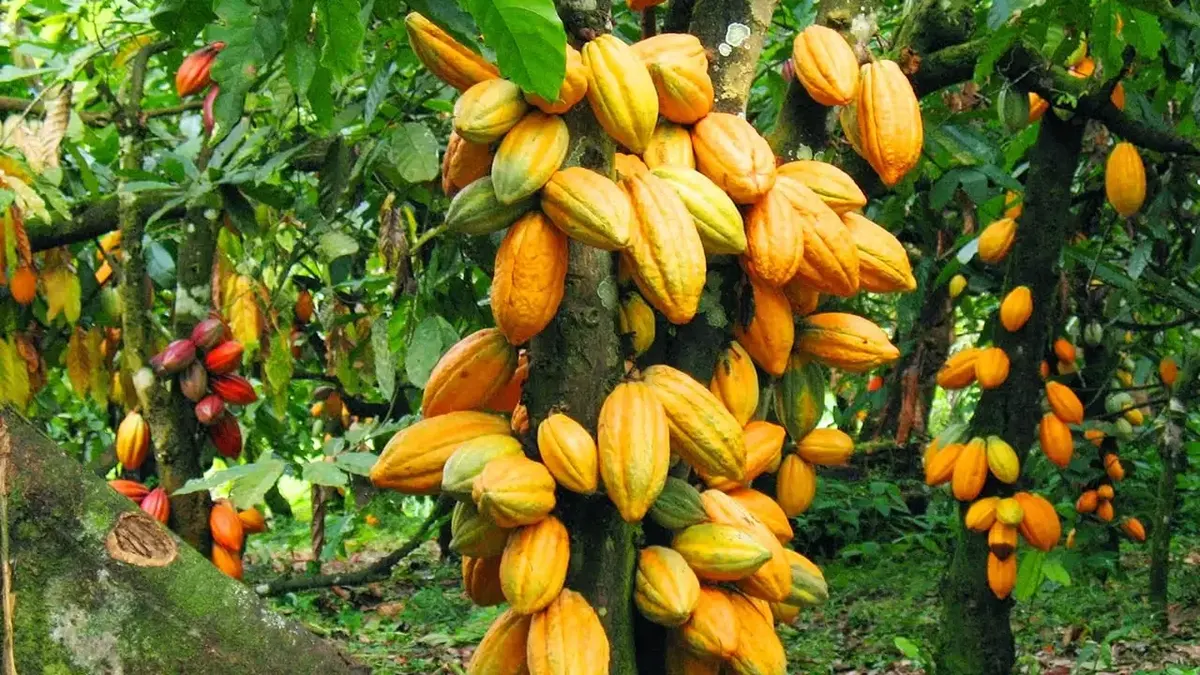
Ghana's Cocoa Board (COCOBOD) has raised the producer price for cocoa to GH¢42,400 per tonne for the 2026/2027 season, up from GH¢41,392 in the previous season. The increase, though incremental at approximately GH¢1,008 per tonne (roughly 2.4%), reflects COCOBOD's effort to support farmers amid fluctuating global commodity prices and persistent production challenges.
The farmgate price adjustment comes at a critical time for Ghana's cocoa sector, which has faced headwinds including climate variability, aging tree stock, pest pressures, and competition from other cocoa-producing nations seeking to maximise their market share.
What This Means for Cocoa Farmers
For Ghana's approximately 800,000 cocoa farmers and their families who depend on the crop for their livelihoods, the price increase offers modest relief but may fall short of expectations given rising input costs. Farmers have consistently called for higher farmgate prices to offset expenses for fertiliser, labour, and maintenance of cocoa farms—costs that have escalated significantly over recent years due to inflation and supply chain pressures.
The new price of GH¢42,400 per tonne translates to an average revenue of roughly GH¢4,240 per bag (assuming a 100-kilogramme standard bag), which many stakeholders argue remains insufficient to incentivise increased production or investment in farm improvements.
Why It Matters for Ghana
Cocoa remains Ghana's most valuable export commodity and a cornerstone of the national economy. The sector generates billions of cedis annually in foreign exchange and employs millions of Ghanaians directly and indirectly across farming, processing, trading, and logistics. Policy decisions on cocoa pricing therefore have far-reaching implications for rural livelihoods, government revenue, and macroeconomic stability.
COCOBOD's pricing strategy must balance competing pressures: keeping Ghanaian cocoa competitive on the global market, ensuring farmer profitability to sustain production, and maintaining the corporation's operational viability. Global cocoa prices, which trade on international commodity exchanges, have experienced significant volatility, making domestic price-setting complex. A price that is too low may discourage farming and accelerate youth migration from rural areas; a price too high risks making Ghanaian cocoa uncompetitive relative to cocoa from Côte d'Ivoire, Indonesia, and other suppliers.
The Broader Context
The 2025/2026 season saw Ghana's cocoa production decline, attributed to adverse weather, swollen shoot disease, and farming challenges. Observers hope that improved pricing, combined with complementary interventions—such as disease management programmes, farmer training, input subsidies, and investment in farm rehabilitation—will encourage farmers to maintain or expand their acreage and adopt better practices.
Industry analysts suggest that sustainable cocoa production requires not only adequate pricing but also structural reforms, including modernisation of farming techniques, diversification of farmer income, and value addition within Ghana to capture higher margins from cocoa processing and finished chocolate products.
As Ghana prepares for the 2026/2027 harvest, stakeholders across the supply chain—from farmers to exporters to policymakers—will closely monitor whether the modest price increase translates into tangible improvements in production volumes and farmer welfare.
Source: 3News

Comments (0)
Be the first to comment.