CMC launches round-the-clock cocoa operations to slash export delays and boost farmer payments
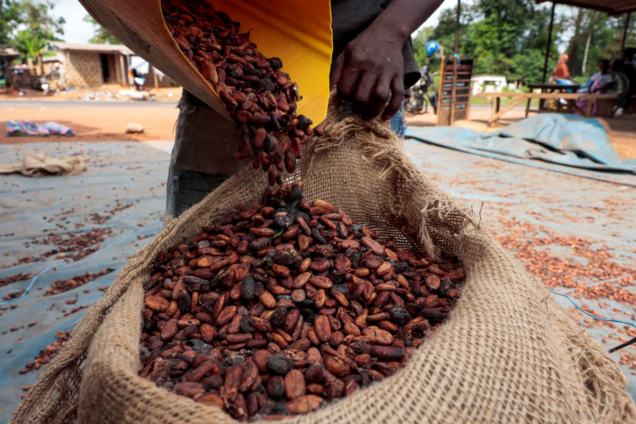
Ghana's cocoa export chain is undergoing a significant transformation, with the Cocoa Marketing Company (CMC) rolling out 24-hour operations across its takeover and export facilities in a bid to eliminate the bottlenecks that have long plagued the sector. The initiative, launched in Tema, marks a watershed moment for an industry that handles billions of dollars annually and supports millions of livelihoods across West Africa's largest cocoa economy.
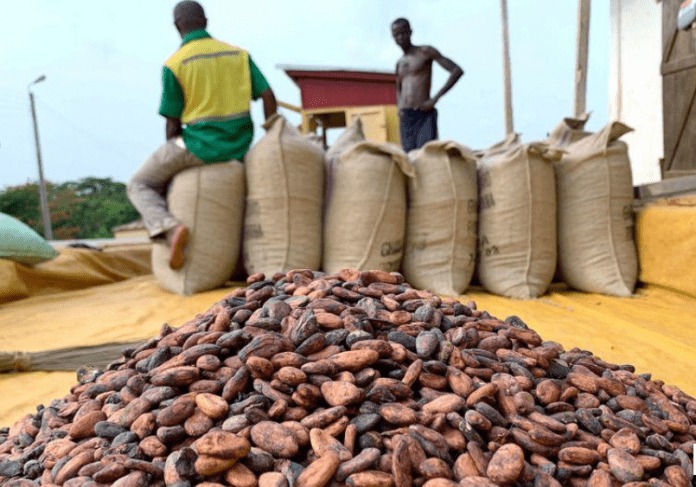
The new operating model, built around three pillars—Offload 24, Load 24 and Export 24—represents a fundamental shift in how Ghana processes and ships its cocoa. Under Offload 24, licensed buying companies can now deliver cocoa beans to CMC warehouses around the clock rather than within traditional business hours. Load 24 ensures continuous cocoa supply to local processing factories, whilst Export 24 streamlines inspection, documentation, sealing and shipment preparations beyond the conventional 5 pm closing time.
CMC Managing Director Wisdom Dogbey acknowledged that whilst ports, customs and shipping operators already functioned beyond normal hours, CMC's closure had become a critical choke point. "By operating around the clock, we can reduce congestion, improve turnaround times, make better use of our infrastructure and accelerate export through multiple shifts," he stated at the launch.
Faster payments, reduced waste, more jobs
The practical benefits for farmers are substantial. Ghana Cocoa Board Chief Executive Dr Randy Abbey outlined how quicker movement from licensed buying companies to warehouses and vessels reduces exposure to humidity and handling risks—a critical concern in West Africa's climate. Faster takeover also accelerates the issuance of cocoa takeover receipts, meaning farmers receive payment sooner rather than waiting weeks for their beans to clear the export chain.
The initiative will create employment across cocoa-producing and port communities, with positions opening for dock workers, quality control officers, weighbridge operators, security personnel and logistics specialists. Dr Abbey noted that reducing vessel waiting times and demurrage—the expensive charges vessels incur when delayed—will improve Ghana's competitiveness and allow better infrastructure utilisation through three-shift operations instead of one.
CMC has committed to investing in the necessary infrastructure for night operations, including improved lighting, surveillance systems, health facilities, transport, drainage and security measures. Management has stressed that no shift will commence without full safety compliance, reflecting growing international attention to working conditions in supply chains.
Why it matters for Ghana
This reform sits within a broader restructuring of Ghana's cocoa sector. A new COCOBOD law passed by Parliament on 30 July 2026 guarantees farmers a minimum of 70 per cent of the gross free-on-board value of cocoa exports—a significant increase aimed at improving rural incomes. Additionally, the government has mandated that at least half of Ghana's cocoa crop must be processed locally before export from the 2026/27 season, a move designed to retain more value domestically and create higher-paying jobs in processing rather than raw material exports.
Presidential Advisor for the 24-Hour Economy Augustus Tanoh confirmed that an expert feasibility study had validated the new model as operationally and commercially sound. However, success depends on coordination across the entire export ecosystem. Dr Samuel Ofosu-Ampofo, COCOBOD Board Chairman, stressed the need for customs, the Ghana Ports and Harbours Authority, shipping lines and other units to align their operations, preventing bottlenecks from simply shifting elsewhere in the chain. He also advocated for COCOBOD's trading room to operate 24/7 to better serve international buyers in markets such as Japan, China, Dubai and the United States.
The rollout will begin at high-volume facilities in Tema and Takoradi, with efficiency gains measured against night operation costs. Tema East MP Isaac Ashai Odamtten emphasised that staff discipline will be critical to sustaining the programme's benefits.
For Ghana's cocoa sector—which generates vital export revenue and employment—this shift represents a strategic investment in competitiveness and farmer welfare at a time when global demand remains strong but efficiency pressures intensify.
Source: The Ghana Report

Comments (0)
Be the first to comment.