Ashanti cocoa farmers embrace COCOBOD Bill 2026, seek clarity on pension and farming rights

Cocoa farmers across the Ashanti Region have thrown their support behind the Ghana Cocoa Board Bill, 2026, following a major stakeholder rally in Konongo this week. The event, which drew more than 400 participants from farming communities including Juaben, Asiwa, Juaso, and Konongo, represented the first grassroots engagement by COCOBOD since Parliament passed the legislation, and underscored both farmer enthusiasm for reforms and lingering questions about how the new law will affect their livelihoods.
What the Bill protects and changes
The legislation introduces sweeping reforms aimed at strengthening governance within Ghana's cocoa sector and shielding farmer interests. Key provisions include enhanced farmer welfare protections, reformed producer pricing mechanisms, stricter rules against illegal land destruction, measures to combat cocoa smuggling, and a formalized Cocoa Farmers Pension Scheme. The Bill also expands educational support for farmers' children and encourages local cocoa processing, while tightening COCOBOD's mandate to focus on core regulatory and development functions rather than quasi-fiscal activities such as cocoa road construction.
Dr. Richard Adu Acheampong, Executive Director of COCOBOD's Cocoa Health and Extension Division, and Benjamin Teye Larweh, Deputy Head of Public Affairs, led discussions explaining the rationale and benefits of each provision. The engagement proved critical in addressing widespread misconceptions that have circulated in farming communities since the Bill's parliamentary passage.
Clearing up confusion: land rights and intercropping
A significant concern among farmers has been whether the new law would restrict their ability to grow food crops alongside cocoa or allow COCOBOD to seize their land. COCOBOD officials directly countered both claims during the Konongo rally. The Bill does not prohibit intercropping—the practice of cultivating compatible crops such as plantain on cocoa farms, particularly during the establishment of young cocoa stands. This practice remains an important agronomic recommendation that provides temporary shade and supplementary income for farming families.
Equally important, COCOBOD clarified that the legislation does not transfer farm ownership to the Board. Instead, its protective measures are designed to prevent unlawful destruction and conversion of cocoa land to incompatible uses, particularly illegal small-scale mining, which has devastated thousands of hectares across the country and undermined farmer investments.
Why it matters for Ghana
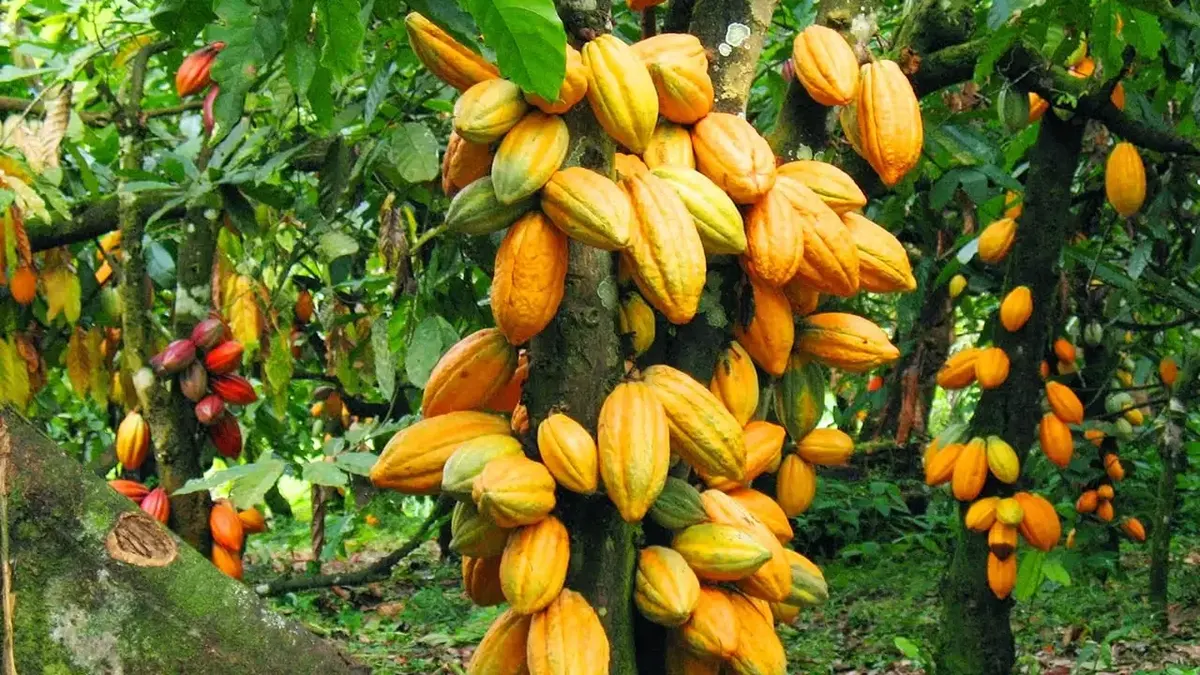
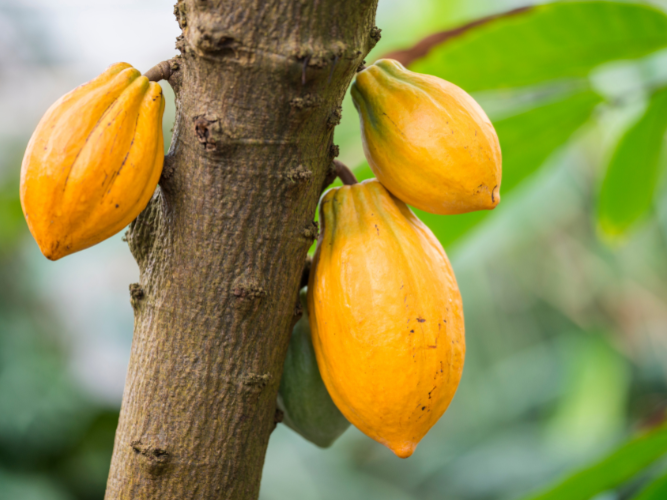
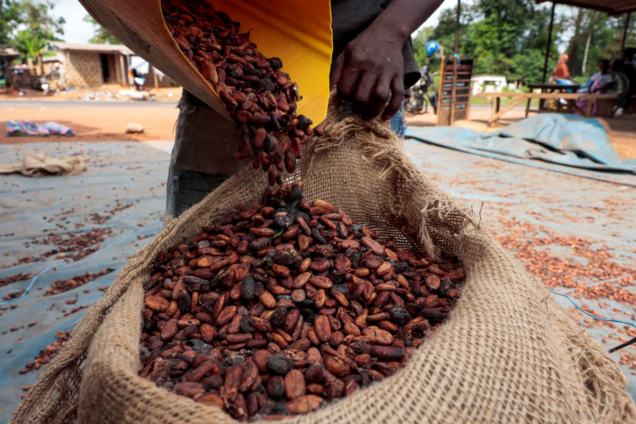
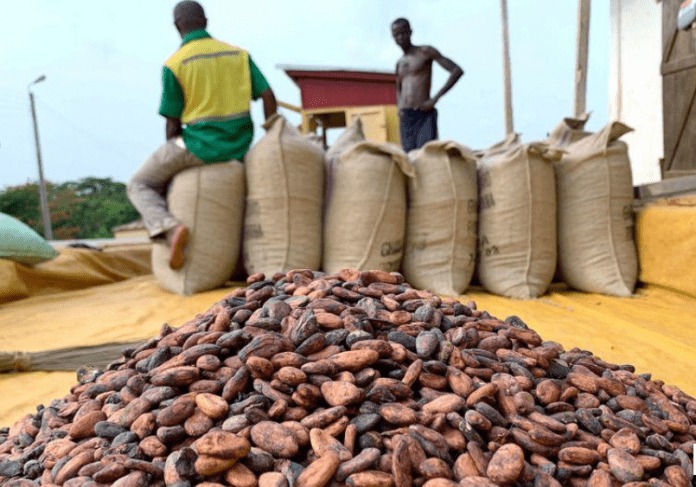
Cocoa remains Ghana's most valuable agricultural export and a cornerstone of the national economy, generating billions of dollars annually and supporting millions of livelihoods. The 2026 Bill represents one of the most significant legislative overhauls of the cocoa sector in decades, and farmer buy-in is essential to its success. Asante Akim North Municipal Chief Executive Sarah Amoako acknowledged COCOBOD's strategic decision to take the legislation directly to farming communities, noting that grassroots understanding and trust are critical for effective implementation.
The Bill also signals a deliberate recalibration of COCOBOD's role. By restricting the institution from undertaking infrastructure projects traditionally outside its mandate, the legislation aims to free resources for core functions—research, extension services, quality assurance, and market regulation—while pushing local governments to assume responsibility for community development. This shift could reshape how cocoa regions are serviced and governed.
Farmers attending the rally raised detailed questions spanning the pension scheme mechanics, access to educational grants for their children, financing for farm rehabilitation, compensation frameworks, cocoa weighing standards, and their own participation in COCOBOD decision-making. These concerns reflect both enthusiasm for reform and recognition that implementation details will determine whether the Bill delivers promised protections or generates new complications.
COCOBOD has committed to sustained engagement across cocoa-growing regions to ensure farmers nationwide grasp the new legal framework and its implications for their operations and income. The Konongo rally marks the beginning of what promises to be a lengthy and critical sensitization process.
Source: MyJoyOnline
Comments (0)
Be the first to comment.