COCOBOD Raises Cocoa Price to GH₵42,400 as New Financing Reforms Take Shape
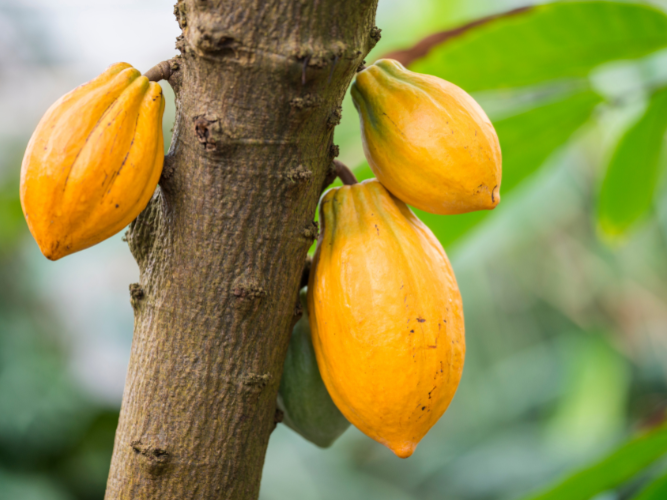
The Ghana Cocoa Board (COCOBOD) has announced a modest increase in cocoa producer prices for the 2026/2027 season, raising the farmgate rate to GH₵42,400 per tonne from the previous GH₵41,392. The GH₵1,008 per tonne bump—a 2.4 percent rise—was announced by COCOBOD Chief Executive Dr. Randy Abbey as the new cocoa season formally opens, signalling the start of a critical period for Ghana's most valuable export commodity.
The price adjustment comes alongside a realised Free-On-Board (FOB) international price of US$2,650 per tonne for the season. COCOBOD has set the producer price at 71.18 percent of the FOB value, which the board says demonstrates government commitment to ensuring farmers capture a substantial portion of the revenue their cocoa generates on global markets.
Automatic Pricing and Farmer Protections
The 2026/2027 season marks the first full implementation of the Ghana Cocoa Board Act, 2026, which introduced an automatic adjustment mechanism for farmgate prices. Under this framework, producer prices now move in line with international cocoa prices, foreign exchange rates, and other market factors—rather than being set arbitrarily each season. Critically, the new law guarantees farmers a minimum floor of 70 percent of the gross FOB price, protecting farmer incomes even if global cocoa markets weaken.
This structural change addresses a longstanding complaint in Ghana's cocoa sector: farmers have historically received an unpredictable share of export earnings, with the gap widening during international price swings. The automatic mechanism aims to bring transparency and predictability to income, allowing cocoa-growing households to plan investments and household spending more confidently.
Why It Matters for Ghana
Cocoa remains Ghana's largest agricultural export and a cornerstone of rural livelihoods, with nearly 800,000 farming families dependent on the crop. Any change to farmgate prices directly affects household incomes across Ashanti, Western North, Western, Central and Eastern regions—areas where cocoa cultivation is concentrated and poverty rates remain elevated. A 2.4 percent price increase, while modest, provides some relief to farmers facing inflationary pressures on inputs and living costs.
Beyond immediate farmer income, the new pricing framework signals broader structural reform in the cocoa sector. COCOBOD has been saddled with heavy debt from syndicated loans used to finance cocoa purchases each season. The new Cocoa Notes Programme—a domestic capital market financing instrument—aims to reduce reliance on expensive international borrowing by attracting Ghanaian institutional investors, pension funds, and individual savers. If successful, this could lower COCOBOD's financing costs, freeing resources to increase farmgate prices or improve extension services.
The timing also reflects Ghana's struggle to maintain market share in a competitive global cocoa market. Côte d'Ivoire produces over twice Ghana's cocoa volume and has recently competed aggressively for farmer loyalty through higher prices and better services. A competitive producer price, coupled with sector reforms that strengthen COCOBOD's financial stability, is essential for Ghana to retain and grow its farmer base.
The Broader Reform Agenda
The price announcement is part of a larger modernisation agenda for COCOBOD. The board is simultaneously restructuring how it finances cocoa purchases, introduces automatic pricing, and manages farmer relations. These reforms aim to balance two objectives: ensuring COCOBOD's financial sustainability (so it does not accumulate unsustainable debt) whilst guaranteeing farmers receive fair, predictable incomes. Success will depend on careful implementation of the new act, stable international cocoa prices, and farmer adoption of improved agricultural practices to boost yields and profitability.
Source: MyJoyOnline

Comments (0)
Be the first to comment.