
Petrol prices set to jump 5% in September as crude costs bite despite cedi gains
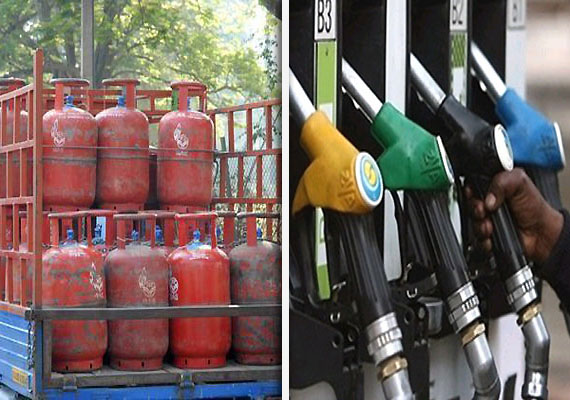
Ghanaians will face higher fuel costs from next week as the Chamber of Petroleum Consumers (COPEC) projects marginal but notable increases across petrol, diesel and liquefied petroleum gas (LPG) from Tuesday, September 1, 2026.
The most significant jump will hit petrol buyers, with COPEC forecasting a retail price of GH¢16.21 per litre—a 5% increase from the current average of GH¢15.43. The projection, announced on August 30 by COPEC Executive Secretary Duncan Amoah, comes at a time when global crude prices have actually softened slightly.
Despite these headwinds, petrol prices are being pushed upward by international market dynamics that overshadow currency gains. While global crude oil prices declined from $90.41 to $89.30 per barrel during the current pricing window, and the Ghana cedi appreciated by 2.39% against the US dollar, the international Free on Board (FOB) price of petrol surged significantly—rising from $1,033.15 to $1,136.50 per metric tonne, a 10% jump that has overwhelmed the benefits of cedi strength.
Diesel and LPG also climbing
Diesel is projected to reach GH¢17.61 per litre, up marginally from GH¢17.17, though the international FOB price for diesel declined slightly from $1,251.19 to $1,250.50 per metric tonne. The cedi's appreciation has helped moderate what could have been a steeper increase.
LPG, used widely for cooking and other household purposes, is also expected to rise to GH¢14.19 per kilogramme from its current price, driven by a 2.64% increase in international FOB prices, which rose from $596 to $611 per metric tonne.
COPEC has provided uncertainty ranges around all projections. Petrol could sell between GH¢15.40 and GH¢17.02 per litre (within a ±5% margin), diesel between GH¢16.73 and GH¢18.49 per litre, and LPG between GH¢13.48 and GH¢14.90 per kilogramme.
Why it matters for Ghana
Fuel price increases directly affect cost pressures across Ghana's economy. Transport operators typically pass higher pump prices onto passengers within days, raising commuting costs for workers and students. Food prices often follow as logistics costs rise, squeezing household budgets particularly for low-income Ghanaians. Manufacturing and service businesses face higher input costs, which can dampen competitiveness and employment growth.
COPEC has called on government to extend its fuel subsidy intervention beyond August to help shield consumers during this period of elevated international petroleum benchmarks. The chamber has also urged Oil Marketing Companies to maintain current ex-pump prices for diesel to mitigate consumer impact, though such appeals often go unheeded when international costs rise sharply.
Ghana's fuel pricing mechanism, which adjusts pump prices monthly based on international crude prices and currency movements, means consumers experience direct volatility in energy costs. While the cedi's recent appreciation provides some buffer, the sharp rise in refined product prices on international markets shows how exposed Ghana remains to global petroleum market swings, regardless of local currency strength.
Source: MyJoyOnline
Comments (0)
Be the first to comment.