Fuel Price Crisis Deepens Ghana's Economic Squeeze, Economist Warns of Rising Inflation Ahead
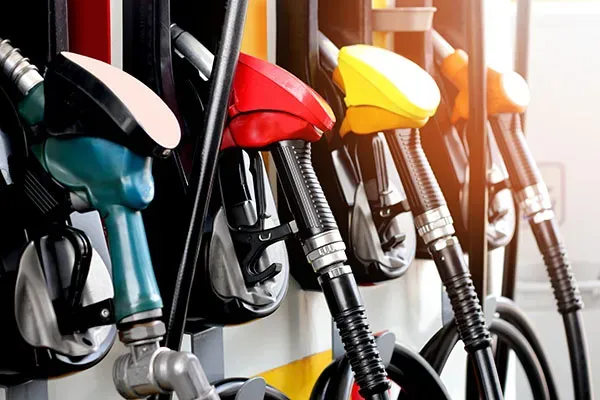
Ghana's economy continues to face mounting pressure as fuel prices remain elevated, with economists cautioning that the ongoing crisis could trigger a broader inflationary wave affecting imported goods and stretching household finances further.
The sustained increase in fuel costs is reshaping the nation's economic landscape in ways that extend beyond the pump. As transportation and production costs climb, businesses across sectors are grappling with reduced margins, whilst consumers face compounding pressures on their purchasing power.
The Ripple Effect on Imported Goods and Household Budgets
Rising fuel prices do not exist in isolation. The cost increases ripple through Ghana's supply chains, ultimately shifting inflationary pressures toward imported goods—a particularly acute concern for an economy that relies heavily on foreign products for consumer goods, raw materials, and capital equipment. This transition threatens to compound the hardship already felt by households managing strained budgets.
For businesses, the calculus is equally challenging. Manufacturing, logistics, agriculture, and retail sectors all depend on affordable fuel. As these operational costs rise, companies face a difficult choice: absorb the losses, pass costs to consumers, or reduce output and employment. Many have already begun the last option, raising concerns about job security in key sectors.
The Broader Economic Context
Ghana's economy has navigated significant headwinds in recent years, including currency depreciation, high interest rates, and external debt pressures. Fuel price volatility adds another layer of instability to an already fragile recovery. The International Monetary Fund (IMF) programme under which Ghana operates includes provisions aimed at stabilising fuel markets, yet global oil price movements and domestic refining challenges continue to drive price fluctuations at the pump.
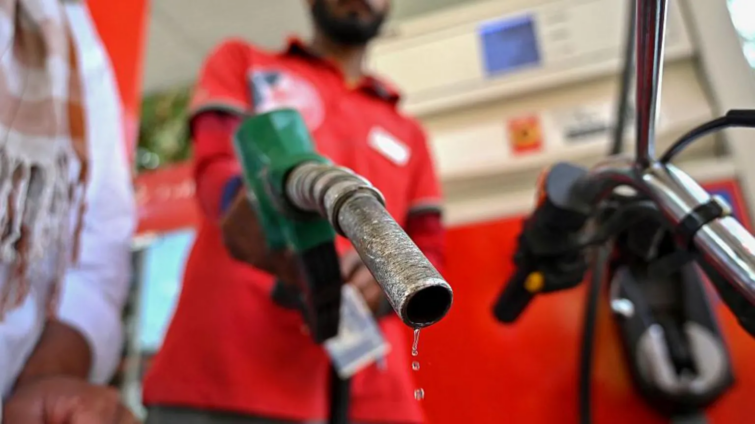
The government's efforts to manage fuel subsidies and stabilise prices have proven insufficient, leaving the private sector and consumers to absorb much of the shock. Petrol station attendants report sustained queues, whilst transporters have repeatedly threatened strikes over fuel costs, disrupting commerce and livelihoods.
Why It Matters for Ghana
The persistence of high fuel prices strikes at the heart of Ghana's development agenda. Inflation erodes the real wages of workers, reduces consumer spending on essential services like education and healthcare, and undermines business investment. For a nation targeting sustained economic growth and poverty reduction, such shocks are deeply counterproductive.
Additionally, fuel price instability complicates monetary policy decisions for the Bank of Ghana. Central bankers must weigh the inflationary threat against the need to stimulate growth—a balancing act made harder when external shocks like fuel costs lie partly outside their control.
Small and medium-sized enterprises (SMEs), which employ the majority of Ghanaians, are particularly vulnerable. Unlike large corporations with hedging strategies and access to credit, SMEs operate on thin margins and have limited flexibility to absorb cost shocks. The cascading effect threatens job losses and reduced economic dynamism in communities across the country.
Policymakers face urgent choices: whether to explore short-term subsidies (which strain public finances), invest in domestic refining capacity to reduce import dependence, or implement targeted support for vulnerable sectors. Each option carries trade-offs, yet inaction risks deepening the squeeze on Ghana's economy and the millions of Ghanaians already managing difficult circumstances.
Source: 3News


Comments (0)
Be the first to comment.