Police Uncover Disinformation Network: Ghana Jollof Paid Others to Spread False News

The Ghana Police Service has revealed findings from an ongoing investigation into organised disinformation, exposing a network in which popular TikToker Barbara Asantewaa Kodua, known online as Ghana Jollof, allegedly financed the spread of false information across multiple social media platforms.
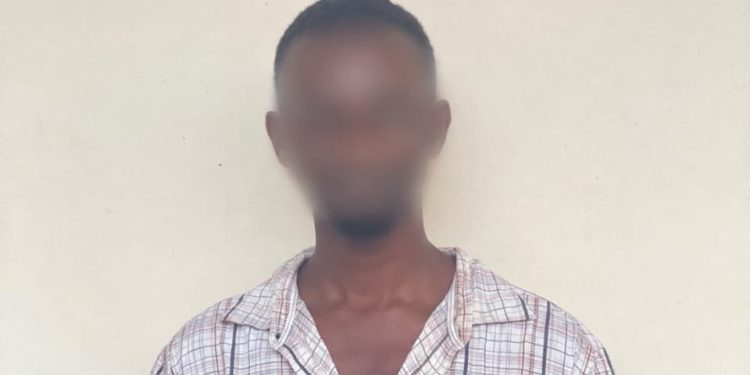
According to police investigations, Kodua paid Salomey Awiti Bafoh and other unnamed individuals to redistribute fabricated content, suggesting a coordinated effort to amplify misleading narratives rather than isolated instances of misinformation. The disclosure marks a significant escalation in understanding how disinformation operates in Ghana's digital ecosystem, moving beyond individual bad actors to organised networks with financial incentives.
The Mechanics of the Disinformation Operation
The investigation reveals a deliberate funding structure designed to maximise the reach of false content. By paying multiple individuals to repost and amplify the same misinformation, the operation created an illusion of widespread consensus and grassroots support—a tactic known as artificial amplification. This approach exploits how social media algorithms prioritise engagement, pushing false narratives higher in news feeds and making them appear credible through sheer volume of shares and comments.
The involvement of multiple paid distributors also suggests an attempt to obscure the original source, making it difficult for audiences to trace the disinformation back to its creator. This layering effect is a hallmark of sophisticated information warfare, often used to manipulate public opinion on sensitive issues.
Why This Matters for Ghana
This case underscores a growing threat to Ghana's information environment, particularly as the country approaches critical political periods. Disinformation financed through organised networks can distort public discourse on matters ranging from elections to public health to social cohesion. The fact that law enforcement has begun investigating and publicising such operations signals that authorities are taking digital misinformation seriously.
For Ghanaian social media users, the revelations serve as a cautionary reminder that viral content—particularly from influencers with large followings—should not be automatically trusted. The case also highlights how creator economies on platforms like TikTok can inadvertently become vehicles for harmful information if creators prioritise engagement and revenue over accuracy.
Beyond individual responsibility, this investigation raises questions about platform accountability. Social media companies have consistently been criticised for insufficient action against coordinated inauthentic behaviour and paid disinformation campaigns, even as such tactics become more common across Africa.
Broader Implications and Next Steps
The investigation demonstrates that Ghana's law enforcement is attempting to address digital-age offences that traditional regulatory frameworks were not designed to handle. However, critics argue that prosecuting individual creators, whilst important, does little to address systemic vulnerabilities in how information spreads online.
As this case progresses through Ghana's legal system, it will likely set precedents for how the country handles digital disinformation and coordinated inauthentic behaviour. Whether penalties focus on financial compensation, criminal charges, or both remains to be seen.
For now, the police disclosure serves as a public health warning: in Ghana's increasingly crowded digital space, verification and critical consumption of information are not optional luxuries but essential habits.
Source: 3News
.jpg)

Comments (0)
Be the first to comment.