Techiman nurse granted GHC100,000 bail in false news case linked to Ghana Jollof TikToker

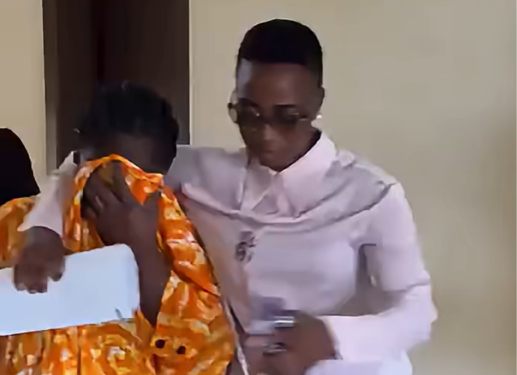
A court in Ashanti Region has granted bail to Salomey Awiti Baffoe, a nurse based in Techiman, following her arrest in connection with the publication and circulation of false information. The Techiman District Court set bail at GHC100,000 with two sureties, a significant development in a case that has drawn attention to the intersection of healthcare professionals, social media influence, and digital misinformation in Ghana.
Baffoe stands accused of abetting the publication of false news reportedly linked to Ghana Jollof, a widely-followed TikToker known for content creation and entertainment across social media platforms. The specifics of the alleged false publication remain under investigation, though the case highlights growing concerns about misinformation spread through social media channels by individuals with substantial online followings.
The charges and legal process
The charge of abetting publication of false news is a serious matter in Ghana's legal framework, designed to hold individuals accountable not only for creating false information but for actively supporting its dissemination. By granting bail, the court has determined that Baffoe poses no flight risk and can be trusted to appear for subsequent court proceedings. The requirement for two sureties—individuals who pledge to ensure her attendance—represents a stringent bail condition, reflecting the severity with which authorities view the allegations.
The involvement of a healthcare worker in such a case raises questions about professional responsibility and the boundaries between personal social media use and professional conduct. Nurses in Ghana are bound by ethical codes that extend beyond clinical settings, and any involvement in spreading false information could potentially impact professional standing and public trust in healthcare workers.
Why it matters for Ghana
This case underscores a critical challenge facing Ghanaian society: the rapid spread of misinformation through social media platforms and the difficulty in holding perpetrators accountable. With millions of Ghanaians active on TikTok, Instagram, and Facebook, the potential reach and impact of false information has grown exponentially, affecting public opinion on health matters, politics, safety, and social issues.
The prosecution also signals that Ghanaian law enforcement and courts are beginning to take digital misinformation more seriously. As social media influencers wield increasing influence over younger demographics, ensuring they—and those who assist them—operate responsibly has become a governance priority. The case demonstrates that Ghana's legal system is attempting to establish boundaries around content creation and information sharing, particularly when false claims could cause public harm.
For healthcare professionals, the case serves as a reminder that participation in or facilitation of misinformation carries legal consequences. In a nation where health literacy and public health communication remain critical challenges, healthcare workers carry special responsibility for ensuring accuracy in the information they share or support.
As the case proceeds through the courts, it will likely provide clarity on how Ghanaian law applies to social media-related offences and may influence how other digital misinformation cases are handled going forward.
Source: 3News

.jpg)
Comments (0)
Be the first to comment.