
El Niño Threat Looms Over Ghana's Cocoa, Food Prices and the Cedi, BoG Governor Warns


The Bank of Ghana has sounded a serious alarm over the potential economic fallout of an unusually powerful El Niño weather event, warning that the phenomenon could disrupt agricultural production across West Africa — including Ghana — and create ripple effects across food prices, cocoa exports, inflation and the exchange rate.
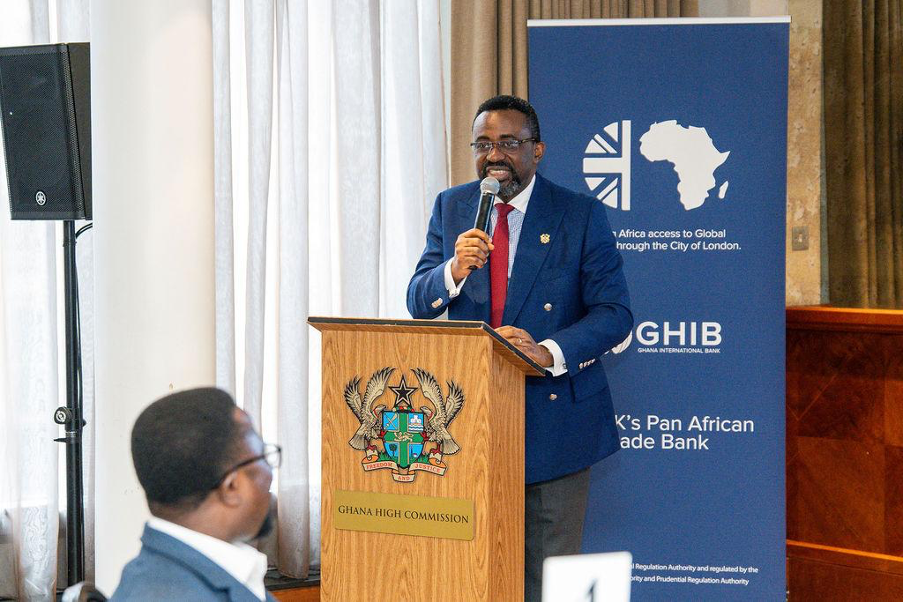
Governor Dr Johnson Pandit Asiama raised the concern on Monday at the opening of the 133rd Monetary Policy Committee (MPC) meeting in Accra, the final such gathering for 2026. Speaking to committee members, he stressed that the current El Niño episode, driven by abnormal warming of the Pacific Ocean, could persist well into the first quarter of 2027, making it a significant near-term risk that policymakers cannot afford to ignore.
What El Niño means for Ghana's economy
El Niño events are known to alter rainfall patterns and temperatures across large parts of the globe, and West Africa is particularly vulnerable. For Ghana, the concern is threefold: food security, cocoa production and foreign exchange earnings.
Dr Asiama underscored that reduced rainfall or erratic weather patterns could suppress domestic food output, driving up food prices at a time when households are still adjusting to the cost-of-living pressures of recent years. Lower agricultural yields could also reduce rural incomes and slow growth in the farming sector, which remains a critical part of Ghana's economy and a major employer in the country's rural communities.
Perhaps most critically, the Governor flagged cocoa — one of Ghana's most important export commodities — as being especially at risk. Adverse weather conditions could disrupt planting and harvesting cycles, cutting export volumes and squeezing the foreign currency earnings that Ghana relies on to support its external reserves. A meaningful drop in cocoa revenues would put additional pressure on the cedi, potentially reversing some of the exchange rate stability that Ghana has worked hard to rebuild in recent years.
Why it matters for Ghana
Ghana's economy has been on a careful recovery path following a period of severe macroeconomic stress. Inflation, which surged sharply in previous years, has been brought down significantly, allowing the MPC to cut the benchmark policy rate from 18 per cent to 14 per cent between January and March of this year. The Committee has since held the rate steady at 14 per cent across three consecutive meetings — in May, July and September — signalling cautious confidence in the trajectory of prices and growth.
An El Niño-induced spike in food prices could, however, reverse those inflation gains relatively quickly. Food components carry significant weight in Ghana's inflation basket, meaning any supply-side shock to agriculture feeds through rapidly into the headline figure. Combined with potential cedi depreciation from lower cocoa receipts, the MPC could find itself facing a difficult dilemma: hold rates to protect growth, or raise them again to contain renewed inflationary pressures.
Dr Asiama urged the Committee to conduct a thorough assessment of the transmission channels through which El Niño risks could affect the domestic economy, and to recommend measures to manage those risks proactively rather than reactively.
What comes next
Beyond the El Niño discussion, the MPC's 133rd meeting will also weigh the broader global economic outlook, geopolitical developments and international commodity price trends. Domestically, members are expected to review a recent uptick in inflation and inflation expectations, the state of Ghana's external sector and foreign reserves, and the overall effectiveness of monetary policy measures implemented during the year.
The Committee is expected to announce its policy rate decision on Wednesday, 18 November. Any shift from the current 14 per cent rate — whether a hold, a cut or a rise — will offer a clear signal of how seriously the Bank of Ghana views these emerging risks as Ghana heads into 2027.
- El Niño warning: BoG Governor flags weather risk to food prices, cocoa and the cedi.
- Cocoa exposure: Reduced output could cut export earnings and pressure Ghana's foreign reserves.
- Policy rate: MPC has held the rate at 14 per cent for three consecutive meetings since March.
Source: MyJoyOnline



Comments (0)
Be the first to comment.