
Petrol Prices Set to Fall Further as NPA Cuts Price Floor by 13%, But Brace for Pricier Diesel and LPG
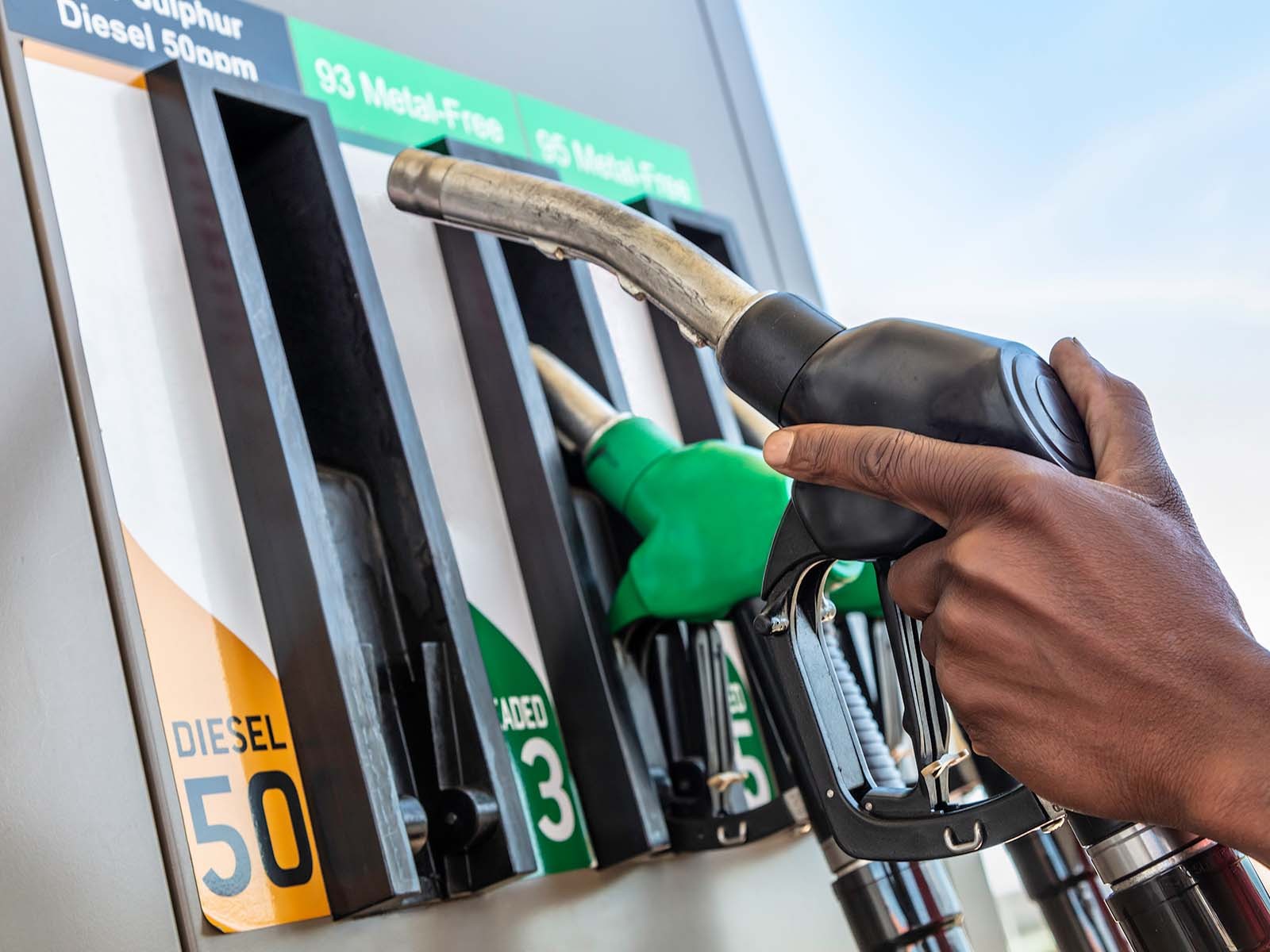

Ghanaian motorists and households could see notably mixed fortunes at the fuel pump in the coming fortnight, following a fresh round of price floor adjustments by the National Petroleum Authority (NPA). The regulator has cut the minimum price floor for petrol from GH¢15.39 to GH¢13.69 per litre — a reduction of nearly 13 percent — for the November 16 to 30, 2026 pricing window. However, the news is less cheerful for users of diesel and liquefied petroleum gas (LPG), both of which are set to become more expensive.
What the new NPA figures mean at a glance
Under the revised price floors, diesel will move from GH¢17.41 to GH¢16.73 per litre — a slight reduction in the floor itself, though market prices at the pump have been running above that level. LPG, used by millions of Ghanaian households for cooking, faces the sharpest adjustment, with the price floor climbing from GH¢13.73 to GH¢15.93 per kilogramme — an increase of more than GH¢2.
It is important to note that these figures represent the minimum floors set by the NPA and do not include premiums charged by International Oil Trading Companies, operating margins of Bulk Import, Distribution and Export Companies, or the margins applied by Oil Marketing Companies (OMCs) and LPG Marketing Companies. Each company determines those additional charges independently within the framework of the prescribed Petroleum Products Pricing Formula, meaning final pump prices will vary across filling stations.
Several major OMCs have already begun passing on reductions to consumers ahead of the official window. Star Oil — one of the country's larger retail fuel operators — has cut petrol prices three times in a single week and is currently selling at GH¢15.55 per litre for petrol and GH¢18.37 for diesel. Allied Oil is offering petrol at GH¢15.50 and diesel at GH¢18.20, while JP has brought its petrol price down from GH¢16.43 in mid-October to GH¢15.95, with diesel falling to GH¢18.35 from GH¢18.97.
Why it matters for Ghana
Fuel prices have a direct and outsized impact on everyday Ghanaian life. Transport fares, the cost of goods on market shelves, and the price of prepared food all respond quickly to movements at the pump. After months of elevated fuel costs that squeezed household budgets and weighed on small businesses, any sustained reduction in petrol prices will be welcome relief for commuters, commercial drivers, and traders alike.
The Chamber of Oil Marketing Companies (COMAC) has attributed the current downward pressure on petrol prices to two key factors: an appreciation of the Ghana cedi against major trading currencies, and falling prices for both crude oil and refined petroleum products on the international market. A more stable cedi reduces the foreign exchange cost of importing fuel, which feeds directly into local pricing.
Adding to the positive outlook for global supply, the International Energy Agency has projected that world oil markets could swing into a supply surplus for the first time since the beginning of the Iran conflict, as Persian Gulf exports recover. If that materialises, it could keep international crude prices in check and provide further room for Ghanaian OMCs to lower pump prices in subsequent pricing windows.
The concerning side of the equation, however, is LPG. A significant rise in the price floor for cooking gas risks reversing gains made in getting more Ghanaian households to transition away from charcoal and firewood — cleaner alternatives that the government has long encouraged. Policymakers and consumer groups are likely to watch the LPG situation closely in the coming weeks.
How the pricing system works
Under current NPA regulations, petroleum product prices are formally reviewed on the 1st and 16th of each month. However, the authority has clarified that OMCs are permitted to adjust prices outside these dates, provided any changes remain within the guidelines it has sanctioned. This flexibility is what has allowed companies like Star Oil, Allied Oil and JP to begin passing on reductions ahead of the November 16 window. Consumers are advised to compare prices across stations, as the final amounts charged will differ depending on each company's applied margins and premiums.
Source: MyJoyOnline


Comments (0)
Be the first to comment.