
Fuel Prices Falling at Some Pumps as OMCs Get Ahead of November 16 Review
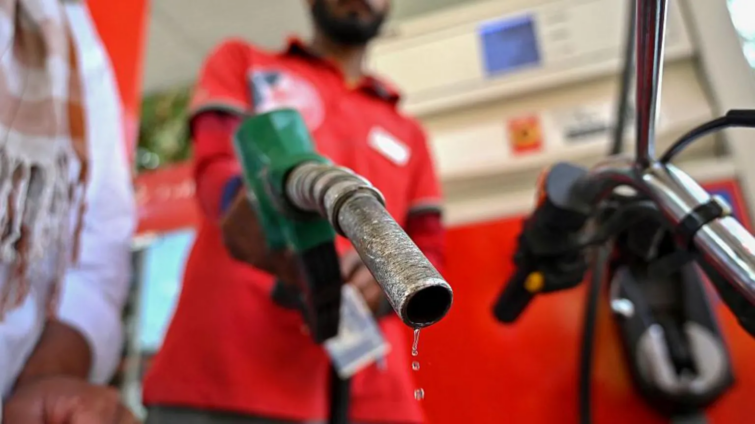

Ghanaian motorists and commuters may find some relief at the pumps this week, as at least two oil marketing companies have moved to reduce fuel prices ahead of the next scheduled review date of 16 November. Star Oil and JP have both announced cuts to petrol and diesel prices, in what appears to be a sign of sharpening competition within Ghana's downstream petroleum sector.
What the new prices look like
Star Oil has reduced its petrol price from GHC 16.35 per litre to GHC 15.97 — a reduction of 38 pesewas — while diesel has edged down from GHC 18.45 to GHC 18.37. The company made no official statement explaining the move, though it follows a similar adjustment Star Oil made at the start of November, when it cut petrol prices while marginally raising diesel costs.
Fellow oil marketing company JP has gone further on petrol, dropping its price from GHC 16.43 to GHC 15.95 per litre. Its diesel price has also fallen more sharply, from GHC 18.97 to GHC 18.35. No formal explanation has been issued by JP either.
Meanwhile, market leader GOIL has not adjusted its pump prices since the beginning of November and does not appear to be preparing to do so imminently, according to checks carried out this week.
Why it matters for Ghana
Fuel prices in Ghana have a direct knock-on effect on virtually every aspect of daily life — from transport fares and food costs to the price of goods and services. When OMCs reduce prices outside of the standard review cycle, it can offer temporary breathing room for ordinary Ghanaians already managing tight household budgets.
Under current regulations, prices are formally reviewed on the 1st and 16th of each month. However, the National Petroleum Authority (NPA), which regulates Ghana's downstream petroleum sector, has confirmed that OMCs are permitted to review prices between those dates, provided any adjustments comply with the regulator's published guidelines. This flexibility is what has allowed Star Oil and JP to act ahead of the 16 November date.
There is some debate about what is driving Star Oil's competitive pricing in particular. One possibility is straightforward market rivalry — cutting prices to attract more customers. Another theory is that Star Oil's reported acquisition of a bulk oil distribution licence may be enabling the company to source petroleum products at lower costs, with those savings being passed to consumers at the pump.
What to watch ahead of and after the November 16 review
The broader outlook for fuel prices looks cautiously positive, at least in the short term. Global crude oil prices have eased from above $100 per barrel to around $93, partly on expectations that diplomatic steps could be taken toward a peace arrangement with Iran — a development that could ease supply concerns on world markets. At home, the Ghana cedi has remained relatively stable and has in some cases strengthened against the US dollar, which is an important factor given that petroleum products are priced in dollars before being converted.
These combined factors suggest there is a reasonable chance that pump prices could decline further after the 16 November review.
However, a crucial uncertainty looms beyond that date. The government's subsidy on petroleum products is currently set to expire on 30 November 2026. Whether the administration will extend the programme — or allow it to lapse — could significantly influence fuel pricing heading into December. If the subsidy ends without renewal, Ghanaians could see prices climb back up even if global crude remains soft.
- Star Oil has cut petrol by 38 pesewas to GHC 15.97 per litre.
- JP has reduced diesel from GHC 18.97 to GHC 18.35 per litre.
- The government's fuel subsidy is due to expire on 30 November 2026, adding uncertainty to future pricing.
Source: The Ghana Report




Comments (0)
Be the first to comment.