
Forson to Unveil $10bn New Economy Blueprint as Ghana Shifts Focus from Recovery to Jobs
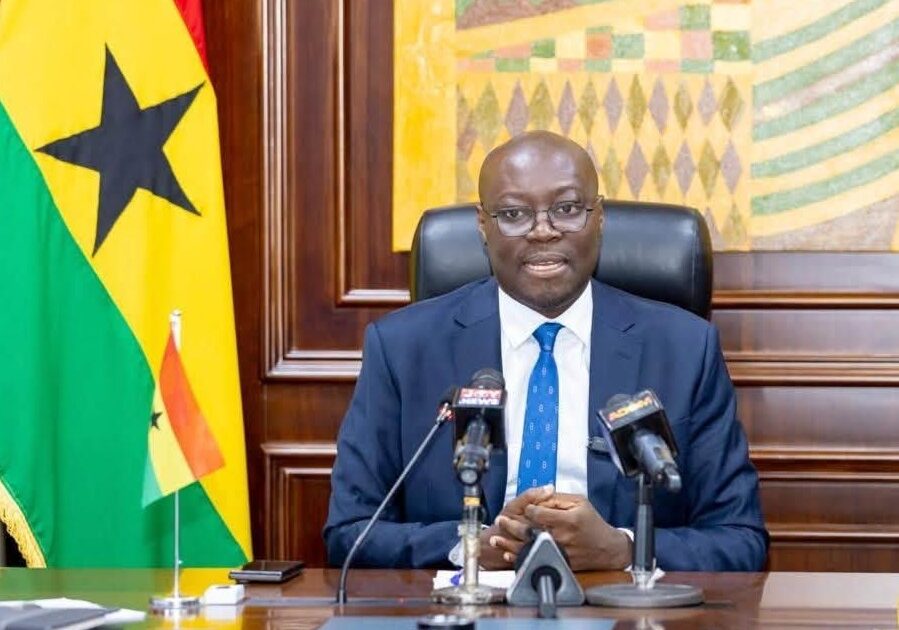

Ghana is preparing to move from economic stabilisation to prosperity-building, with Finance Minister Dr. Cassiel Ato Forson set to present the 2027 Budget to Parliament on Thursday, 12 November 2026. The budget will lay out the full details of President John Dramani Mahama's flagship New Economy programme — a four-year, US$10 billion investment plan aimed at converting Ghana's hard-won economic recovery into real opportunities for ordinary Ghanaians.
What the New Economy programme promises
Running from 2027 to 2030, the New Economy initiative is built around three core ambitions: expanding domestic production, increasing the proportion of Ghana's raw materials that are processed locally rather than exported in raw form, and helping Ghanaian businesses grow their share of both domestic and international markets.
Dr. Forson captured the intent plainly ahead of the budget presentation. "Ghanaians made sacrifices to get our economy back on its feet," he said. "Now, that recovery must mean decent jobs for our young people, better incomes for our farmers and room for Ghanaian businesses to grow and hire."
The minister added that the upcoming budget would demonstrate precisely how the gains achieved during the recovery period would be channelled into lasting jobs and wider prosperity. The programme's emphasis on value addition to raw materials is particularly significant for a country that has long exported cocoa, gold and other resources with relatively little processing done on Ghanaian soil.
Why it matters for Ghana
The 2027 Budget arrives at a pivotal moment. Ghana recently completed the final review of its IMF-supported lending programme in July 2026 — a milestone that signals the country has met the fiscal targets set during a period of intense economic pressure. The discipline required to reach that point came at a cost to many households, making the government's pivot towards job creation and income growth politically as well as economically important.
The latest data from Ghana Statistical Service shows the economy grew by 6.0 per cent in the second quarter of 2026, while annual inflation eased significantly to 5.2 per cent in September. These are encouraging indicators, but economists and ordinary citizens alike know that macroeconomic figures do not automatically translate into employment or better living standards — particularly for Ghana's large youth population and smallholder farmers.
Dr. Forson had already signalled this shift in priority during the July Mid-Year Fiscal Policy Review, but the November budget is expected to be far more specific — naming which sectors and investments will receive funding in 2027 and explaining how those expenditures will be financed without undoing the fiscal consolidation Ghana has worked so hard to achieve.
What to watch when the budget drops
When Dr. Forson takes to the floor of Parliament on 12 November, analysts and businesses will be paying close attention to several key questions:
- Financing details: How will the government fund a $10 billion programme over four years while maintaining debt sustainability?
- Sector priorities: Which industries — agriculture, manufacturing, technology — will receive the largest share of investment in the first year?
- Local content commitments: What specific targets will be set for processing raw materials domestically, and what incentives will encourage businesses to meet them?
- Youth employment: Are there dedicated programmes targeting the graduate unemployment challenge that has frustrated many young Ghanaians?
The answers will determine whether the New Economy programme becomes a transformative chapter in Ghana's development story or remains an ambitious aspiration. For now, the country waits to see the numbers behind the vision.
Source: MyJoyOnline



Comments (0)
Be the first to comment.