
Five hard tests Ghana's 2027 Budget must pass to prove the recovery is real


Ghana's next major budget arrives at a pivotal moment. After years of painful austerity, debt restructuring and IMF-guided spending restraint, the Mahama administration wants to shift gears — from simply stabilising the economy to actively transforming it. But the numbers waiting in 2027 and 2028 tell a more complicated story, and experts say the budget will only be credible if it honestly addresses five fundamental tests.
From the IMF programme to standing on its own feet
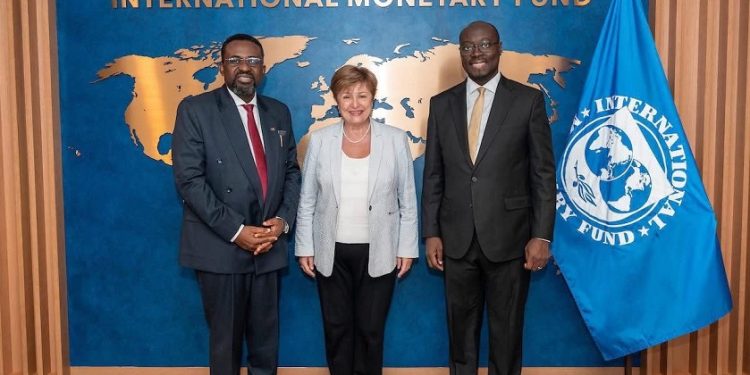
Ghana concluded its US$3 billion Extended Credit Facility with the International Monetary Fund in July, marking a significant milestone in the country's economic recovery following the 2022 debt crisis. The successor arrangement — a Policy Coordination Instrument — offers continued IMF monitoring but no new financing. In plain terms, Ghana must now demonstrate it can sustain its recovery without a financial lifeline.
There are genuine reasons for cautious optimism. September inflation fell to 5.2%, a dramatic improvement from the runaway price increases that plagued households just two years ago. Provisional public debt stood at roughly 45% of GDP as of June — a figure that, while still significant, represents meaningful progress from the crisis peak. The Ghana cedi has also shown greater stability, offering some relief to importers and ordinary consumers.
Yet these headline figures do not tell the full story. The government's published Fiscal Strategy Document proposes investing the equivalent of 1.5% of GDP annually over four years — approximately US$10 billion — to drive what it calls the New Economy. The plan identifies two sources of funding: additional revenue collection worth 0.5% of GDP and space created by reducing the primary surplus target. Critics and economists argue the budget must now go further and be specific about which projects are ready, who will implement them, what employment targets are attached and how much of the projected private investment is genuinely committed rather than aspirational.
Why it matters for Ghana
The stakes for ordinary Ghanaians are high. The country faces a demanding repayment calendar: GH¢58 billion in Domestic Debt Exchange Programme bond maturities fall due in 2027, followed by another GH¢53 billion in 2028. A government Sinking Fund — reported at GH¢15.6 billion as of late July — has been established to help meet these obligations, but questions from the Institute for Fiscal Studies over how the fund is accounted for in the approved budget remain unresolved. The next budget must clearly show the fund's opening balance, what flowed in and out, and how it relates to planned repayments — and be transparent about whether the buffer was saved or borrowed.
The proposed reduction of the primary surplus target from 1.5% to 0.5% of GDP from 2027 also demands careful explanation. A primary surplus — revenue above spending before interest payments — acts as a buffer that helps contain debt. Lowering it creates room for development investment, but also reduces the country's margin for error. Government must spell out which fiscal rules apply, what safeguards are in place if revenues disappoint and what spending would be reconsidered if conditions worsen. Greater scrutiny by Ghana's Fiscal Council would go a long way towards building public confidence.
Meanwhile, the first-half budget execution figures raise questions about delivery on the ground. Capital spending came in 39.3% below plan, and net arrears clearance reached only 38.2% of the programmed amount — even as the overall primary surplus looked healthy on paper. Those gaps matter beyond the spreadsheets: contractors waiting months for payment struggle to pay their own workers and suppliers, while communities still waiting for roads, clinics and schools bear the real human cost of delayed infrastructure.
Transparency on hidden risks is non-negotiable
Perhaps the most important — and most overlooked — test is fiscal transparency around public liabilities that sit outside the main budget. Energy-sector debts, government guarantees, gold-purchase operations and the recapitalisation needs of the Bank of Ghana each represent potential calls on the public purse that are not always visible in the headline numbers. The Fiscal Strategy Document already includes a Fiscal Risk Statement, which is a welcome step. The budget should build on this by quantifying how much each major exposure could cost taxpayers, when support might realistically be required and which ministry or agency is accountable.
Ghana has worked hard to earn back the confidence of creditors, investors and its own citizens. The 2027 Budget is an opportunity to demonstrate that the recovery is not merely a matter of better ratios on a page, but a foundation for tangible growth. Meeting these five tests — transparent financing, a credible surplus strategy, honest debt management, clear spending accountability and open disclosure of fiscal risks — will determine whether that promise is believed.
Source: MyJoyOnline


Comments (0)
Be the first to comment.