
IMF warns Ghana and sub-Saharan Africa must balance growth with inflation control
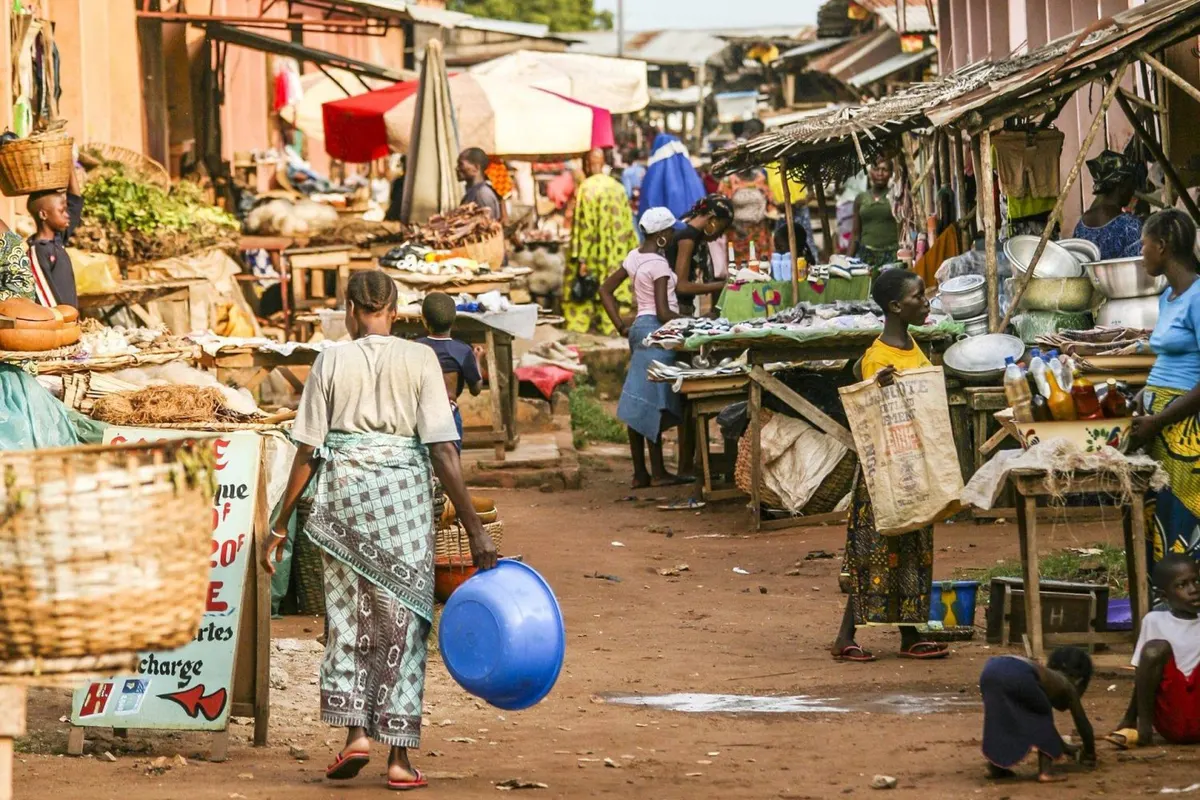

Sub-Saharan Africa's economy is showing resilience in the face of global headwinds, but the recovery remains patchy across the region, according to a new International Monetary Fund assessment. The stark message for policymakers, including those in Ghana: governments must juggle competing pressures to maintain economic growth whilst bringing stubborn inflation under control and protecting citizens from rising costs of living.
The IMF's latest regional outlook highlights that whilst some sub-Saharan African economies are expanding, the pace and sustainability of growth varies significantly from country to country. This uneven recovery reflects differing exposure to global shocks, domestic policy choices, and structural vulnerabilities that continue to hamper development across the continent.
The inflation and stability challenge
At the heart of the Fund's message is a call for stronger focus on price stability. Many sub-Saharan African nations, including Ghana, have battled elevated inflation in recent years, eroding purchasing power and making essentials like food and fuel increasingly unaffordable for ordinary households. The IMF emphasises that central banks must maintain disciplined monetary policies to anchor inflation expectations, whilst governments need to resist political pressure to spend beyond their means.
Rebuilding fiscal buffers is equally critical. Years of pandemic-related spending and responses to global crises have weakened government balance sheets across the region. The Fund warns that without disciplined fiscal management, countries risk becoming vulnerable to future shocks and may face difficulties attracting investment or refinancing debt at reasonable rates.
Protecting the vulnerable whilst pursuing growth
The IMF's recommendation is not to sacrifice social support entirely. Instead, governments must be smarter about how they deploy limited resources. This means targeted assistance programmes that reach those most in need—the poorest households and informal sector workers—rather than broad, expensive subsidies that drain government coffers and fuel inflation.
For Ghana specifically, this framework echoes ongoing debates about the balance between fiscal discipline required under IMF programmes and the immediate needs of citizens struggling with the cost of living. The Fund's message suggests the path forward requires both: restoring macroeconomic stability to create conditions for sustainable growth, whilst maintaining a social safety net for vulnerable populations.
Why it matters for Ghana
Ghana is among the sub-Saharan African economies navigating this tightrope. The country has implemented an IMF support programme aimed at stabilising the economy, but this has required difficult choices on government spending and taxation. The Fund's latest regional assessment provides context for why these measures matter: without price stability and rebuilt buffers, Ghana risks repeated cycles of crisis and slow growth that hurt ordinary Ghanaians most.
Additionally, uneven regional growth means Ghana's recovery depends not only on domestic policies but also on the health of trading partners and regional demand. Weakness in neighbouring economies or major trading partners could constrain Ghana's export opportunities and investment flows, even if domestic policies are sound.
The IMF's emphasis on supporting vulnerable households whilst tightening policy also suggests that Ghana's government and development partners should explore more efficient, targeted social programmes that protect the poorest without reigniting inflation.
Source: 3News


Comments (0)
Be the first to comment.