
Can Ghana sustain its debt recovery? 2026 financing strategy faces critical test
Ghana's public debt landscape appears to be stabilising, but the improvement masks a deeper challenge: whether the country can maintain a sustainable, transparent and market-driven debt financing system going forward. Recent relief measures have provided breathing room, yet they do not eliminate the underlying risks that could derail progress.
According to analysis by Dr. Mohammed Amin Adam, the recovery in Ghana's debt position has been underpinned by several concurrent factors. Debt-service relief through the Domestic Debt Exchange Programme (DDEP), restructuring of external obligations, discipline imposed by the International Monetary Fund (IMF) programme, tighter public spending, elevated global gold prices and domestically-focused policy reforms have all contributed to easing the immediate fiscal burden. However, these temporary supports are not a permanent solution.
The Real Test Ahead
The true measure of Ghana's debt sustainability will come in 2026 and beyond, when the government must demonstrate it can meet its obligations, finance budget deficits and extend debt maturities without resorting to problematic measures. The key indicators to watch include whether Ghana can avoid accumulating payment arrears, maintain competitive investor returns, operate through transparent market mechanisms, and preserve a healthy domestic yield curve that reflects genuine market conditions.
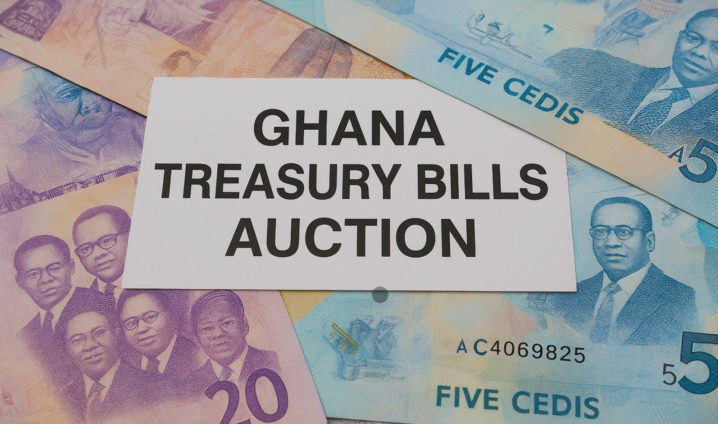
The government's debt management toolkit has expanded significantly since the DDEP was introduced. Beyond the traditional competitive auctions for government securities, authorities have employed reopenings of existing bonds, placements of DDEP-related instruments, non-cash issuances, payment-in-kind coupon arrangements, and Sinking Fund prefunding strategies. A liability-management programme is also planned. Whilst these tools provide flexibility, they also raise questions about market transparency and whether they represent sustainable long-term practices.
Why It Matters for Ghana
For ordinary Ghanaians, the sustainability of the debt financing system directly affects macroeconomic stability, interest rates on savings and loans, exchange rate predictability, and ultimately the government's capacity to fund healthcare, education and infrastructure. A durable debt management framework keeps borrowing costs reasonable and reduces the risk of future economic shocks.
Ghana's experience since 2022—when the country defaulted on Eurobonds and initiated the DDEP—has been closely watched across Africa and by international investors. How successfully Ghana navigates the 2026-2027 period will influence perceptions of the country's creditworthiness and the terms at which it can borrow internationally. Additionally, the approach taken on domestic debt management sets precedent for other West African economies facing similar pressures.
The critical question raised in the analysis is whether Ghana's recovery is built on genuine structural reform and market discipline, or whether it relies too heavily on temporary tailwinds such as gold prices and external assistance. If the government cannot demonstrate a commitment to competitive, transparent auctions and market-based debt pricing, investor confidence could erode, leading to higher borrowing costs or, in worst cases, renewed financing difficulties.
Looking Ahead
As Ghana approaches 2026, policymakers must balance the need for debt sustainability with the imperative to maintain investor trust and market confidence. This means resisting the temptation to rely excessively on off-market placements or opaque debt management practices, even when they offer short-term relief. Instead, sustained focus on fiscal discipline, revenue mobilisation and transparent market operations will be essential to building a resilient debt framework that serves Ghana's long-term development goals.
Source: MyJoyOnline

Comments (0)
Be the first to comment.