
Ghana's borrowing costs plunge: T-bill yields halve since late 2024 as debt restructuring gains traction
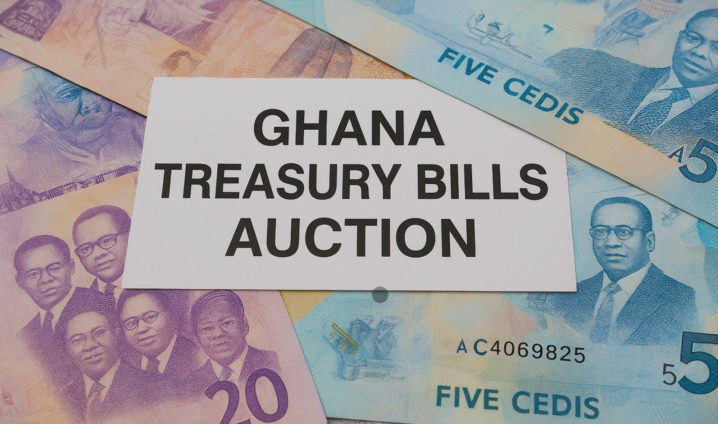
Ghana has achieved a remarkable turnaround in its domestic borrowing costs, with treasury bill yields dropping substantially over the past eight months—a development that reflects growing confidence in the country's fiscal position following its 2022 domestic debt restructuring.
According to S&P Global, interest rates on Ghana's six-month treasury bills have fallen to approximately 6.5%, whilst one-year bills now yield 10.1% as of the end of August 2026. This represents a dramatic decline from the elevated rates of nearly 30% recorded at the end of 2024, demonstrating a significant easing of pressure on government financing.
Renewed market access and extended maturities
A key driver of this improvement has been the government's recent re-entry into the longer-dated domestic bond market. Following a three-year moratorium on issuing medium and long-term domestic bonds—imposed after the December 2022 debt restructuring—the Ministry of Finance began issuing longer-tenor bonds in 2026. This shift is intended to lengthen the maturity profile of Ghana's local currency debt, reducing refinancing pressure and providing greater predictability for investors.
The improved market conditions enabled last week's auction to raise GH¢1.53 billion above its target, temporarily relieving some of the government's acute funding pressures. However, the Ministry has set this week's issuance target at GH¢5.02 billion—a substantial increase reflecting the government's persistent financing needs and weeks of below-target bill acceptances prior to the recent rally.
Why it matters for Ghana
The sharp reduction in borrowing costs carries profound implications for Ghana's fiscal sustainability. Lower yields mean the government spends less on interest payments, freeing resources for critical investments in education, healthcare, and infrastructure—areas vital to economic development and job creation. For ordinary Ghanaians, reduced debt servicing costs improve the government's capacity to fund public services and social programmes without resorting to additional taxation or spending cuts.
This turnaround also signals to international markets that Ghana's debt restructuring programme is working. The country defaulted on its international obligations in late 2022, triggering a protracted restructuring negotiation with creditors. The successful stabilisation of domestic debt markets suggests the government's broader economic recovery plan is gaining traction, potentially paving the way for eventual return to external capital markets at more favourable terms.
However, several headwinds remain. S&P Global warned that escalating conflict in the Middle East poses risks to the gains achieved, as geopolitical tension typically drives up global inflation and financing costs whilst exerting depreciation pressure on the cedi. A weaker currency would increase the cedi-value of Ghana's foreign currency debts and make imports more expensive.
Analysts expect yields to remain broadly stable in the near term, as the government's elevated financing needs limit the scope for further significant declines. This week's issuance programme will roll over GH¢3.91 billion in maturing bills, with the additional GH¢1.11 billion representing net new borrowing to cover the government's operational requirements.
For investors and observers, the trajectory remains cautiously optimistic—but success will depend on the government maintaining fiscal discipline whilst external conditions remain volatile.
Source: The Ghana Report


Comments (0)
Be the first to comment.