Ghana Clears GH¢10.8bn DDEP Bond Payment as Debt Restructuring Shows Progress
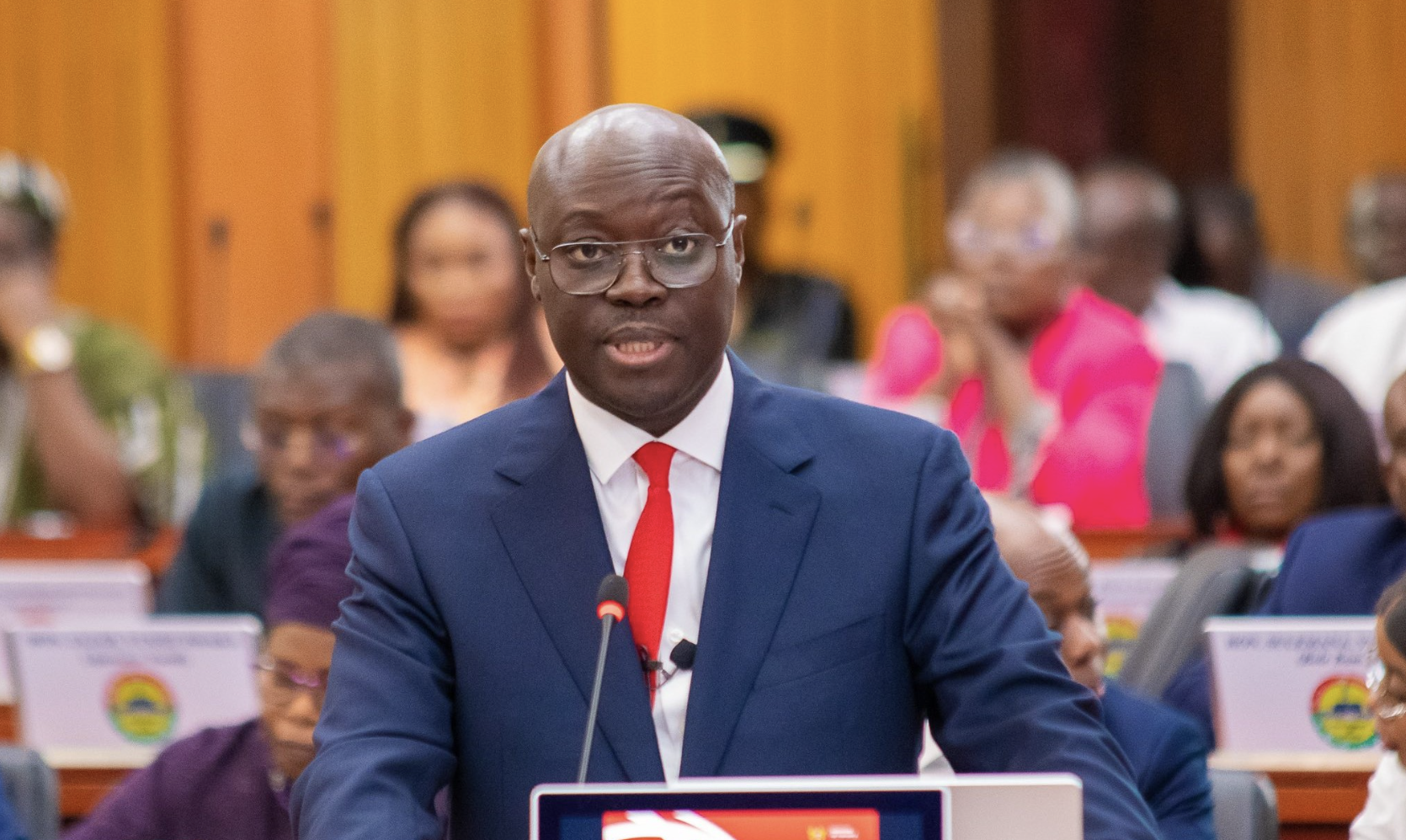
Ghana's government has successfully paid GH¢10.82 billion to bondholders under the Domestic Debt Exchange Programme (DDEP), marking another milestone in the country's debt restructuring efforts. The payment, totalling GH¢10,816,840,318.26, was completed in full and on schedule, according to an announcement from the Ministry of Finance.
This latest coupon payment represents the third consecutive instalment to be paid entirely in cash since the DDEP was implemented. Combined with earlier 2025 payments, the government has now disbursed a cumulative GH¢41.36 billion to DDEP bondholders this year alone, demonstrating sustained commitment to honouring restructured debt obligations.
What this means for Ghana's financial credibility
The timely payment carries significant implications for Ghana's economic standing both domestically and internationally. The Ministry of Finance emphasised that consistent, on-schedule debt servicing reflects the government's fiscal discipline and marks a critical step in rebuilding investor confidence following years of economic volatility.
Ghana's sovereign default risk is expected to diminish as a direct result of these demonstrated payment commitments, which should help attract foreign investment and potentially improve the country's credit ratings over time. Reduced default risk also creates a more stable environment for local businesses, currency stability, and overall economic planning.
The DDEP, launched as part of Ghana's broader debt restructuring strategy, aimed to bring relief to an unsustainable debt burden that had accumulated over previous years. By exchanging short-term, high-interest domestic bonds for longer-maturity instruments with adjusted terms, the programme was designed to ease immediate fiscal pressure whilst maintaining creditor confidence.
The background on Ghana's debt crisis
Ghana entered a severe debt crisis around 2021–2022, driven by accumulated fiscal deficits, currency depreciation, and rising global interest rates. The domestic debt burden became particularly acute, forcing the government to seek an International Monetary Fund (IMF) programme in 2023. The DDEP was a key component of that IMF-supported reform agenda, allowing Ghana to restructure roughly GH¢137 billion of domestic debt without outright default.
The successful execution of coupon payments signals that the restructuring is functioning as intended—creditors are receiving agreed returns, albeit on revised timelines, and the government's capacity to service debt is gradually improving through fiscal consolidation efforts.
Why it matters for Ghana
For ordinary Ghanaians, improved debt servicing capacity has several indirect benefits. It reduces pressure on the Central Bank to print money to cover debt payments, which helps control inflation and protect the value of savings. It also frees up fiscal space for government spending on essential services such as health, education, and infrastructure rather than diverting all revenue to debt service.
The assurance from the Ministry of Finance that all future DDEP obligations will be paid in full and on schedule is intended to reinforce market confidence and stabilise expectations around government debt. However, success depends on sustained fiscal discipline, revenue collection improvements, and economic growth.
Bondholders and investors—both institutional and individual Ghanaians holding these instruments—are watching closely. Consistent payment performance makes Ghana a more reliable debtor and potentially opens doors to future borrowing on better terms once the debt restructuring period concludes.
Source: MyJoyOnline
-1200x799.webp)


Comments (0)
Be the first to comment.