
COCOBOD Clears GH¢2.3 Billion DDEP Bond Debt, Fulfils 2026 Obligations
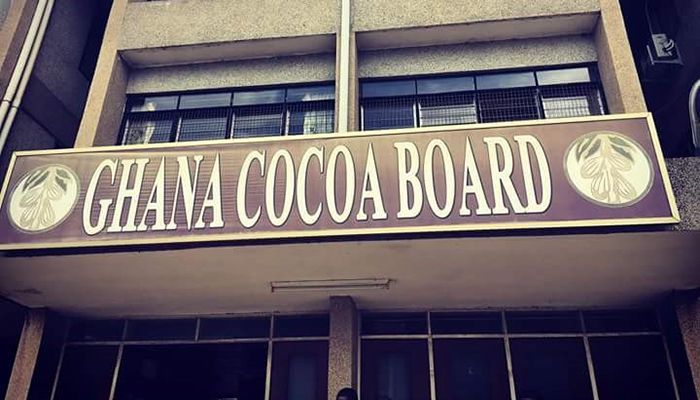
The Ghana Cocoa Board (COCOBOD) has successfully settled GH¢2.306 billion in bond payments, marking the completion of its mandatory obligations to domestic debt exchange programme (DDEP) bondholders for the entire 2026 financial year. The settlement represents a significant milestone in Ghana's ongoing domestic debt restructuring efforts and signals COCOBOD's commitment to honouring its financial commitments despite challenging global cocoa market conditions.
The DDEP, which was implemented in late 2022, required creditors to exchange their bonds for longer-maturity instruments as part of Ghana's IMF-backed economic stabilisation programme. COCOBOD, as one of the government's major revenue-generating entities through cocoa export levies and licensing fees, has been among the institutions tasked with meeting these restructured payment obligations.
COCOBOD's Financial Position and Recovery Efforts
The timely settlement of these bonds demonstrates COCOBOD's ability to generate sufficient cash flow from cocoa-related activities to service its debt commitments. The Board's revenue streams, which include the cocoa stabilisation fund built from export proceeds and licensing income, have enabled it to maintain payment schedules even as the global cocoa market has experienced significant volatility in recent years.
This payment completion also reflects improvements in cocoa sector management and the Board's efforts to optimise operational efficiency. COCOBOD has been working to modernise its operations, improve transparency in cocoa marketing arrangements, and strengthen its financial position to better support Ghana's broader economic objectives.
Why This Matters for Ghana
COCOBOD's successful debt servicing is particularly significant for Ghana's economic credibility. As the world's second-largest cocoa producer, Ghana's ability to meet its financial obligations—even under the DDEP restructuring—sends an important signal to international creditors and investors about the country's commitment to fiscal responsibility.
The completion of 2026 obligations ahead of the full fiscal year demonstrates that Ghana's domestic debt exchange programme is functioning as intended. With COCOBOD—a critical source of government revenue—maintaining its payment schedule, the broader programme gains momentum. This is crucial as Ghana continues its engagement with the International Monetary Fund and works towards stabilising its macroeconomic environment.
Furthermore, the settlement protects domestic investors and financial institutions that hold DDEP bonds. Many Ghanaian banks, insurance companies, and pension funds are significant bondholders, so regular payments ensure that these institutions can meet their own obligations to depositors and beneficiaries.
The Road Ahead
While this payment completion is encouraging, Ghana's cocoa sector continues to face headwinds. Global cocoa prices remain under pressure, and climate challenges affecting cocoa farming regions pose ongoing risks to production volumes. COCOBOD will need to continue managing these pressures whilst maintaining its debt servicing commitments through the remainder of the DDEP period.
The successful settlement also underscores the importance of cocoa to Ghana's economic stability. With exports typically generating billions of cedis annually, the sector remains central to the country's ability to service both domestic and external debt obligations. Stakeholders will be monitoring COCOBOD's performance closely as Ghana works towards exiting its IMF programme and achieving sustainable fiscal stability.
Source: 3News
Comments (0)
Be the first to comment.