
COCOBOD Clears GH¢162m Debt to Excluded Cocoa Bill Investors
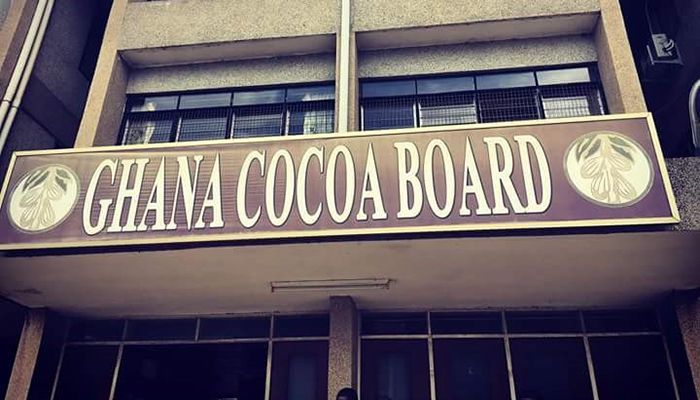
The Ghana Cocoa Board (COCOBOD) has completed payment of GH¢162 million in accumulated debt to individual investors who held Cocoa Bills but chose not to participate in the Government's Domestic Debt Exchange Programme (DDEP).
This settlement marks a significant relief for smaller cocoa-sector investors who had been waiting for their outstanding payments. The Cocoa Bills scheme, which allows investors to lend money to COCOBOD in exchange for fixed returns, became a contentious issue when Ghana initiated its debt restructuring exercise in late 2022. Many individual bill holders felt sidelined by the DDEP process, which primarily targeted institutional creditors and created a two-tier repayment structure.
Background: The Cocoa Bills Controversy
Cocoa Bills have long been an investment vehicle for Ghanaians seeking exposure to the country's most valuable export commodity. The bills are backed by COCOBOD's revenue projections and cocoa export earnings. However, when the Government launched the DDEP to address its debt sustainability crisis, it initially excluded individual Cocoa Bill holders from structured relief negotiations, creating uncertainty about repayment timelines.
The exclusion sparked concern among retail investors who questioned whether their claims would be honoured at all. Some bill holders reported waiting months beyond maturity dates without receiving due payments, whilst institutional creditors who participated in the DDEP received structured settlement plans.
The GH¢162 million figure represents the full extent of arrears that had accumulated to these non-DDEP participants, suggesting COCOBOD had faced its own cash flow constraints during the debt restructuring period.
Why It Matters for Ghana
This settlement carries broader implications for investor confidence in Ghana's domestic debt instruments. The cocoa sector remains central to Ghana's economy, generating over 60 percent of the country's agricultural export revenue and employing millions indirectly. When government agencies fail to honour payment obligations promptly, it erodes trust in domestic financial instruments and may discourage future investment in critical sectors.
For individual Ghanaians who invested in Cocoa Bills—often as a savings mechanism or retirement supplement—the delayed payments created financial hardship. Clearing these arrears demonstrates Government commitment to protecting retail investors, though critics argue the delays should never have occurred.
The settlement also sends a message about COCOBOD's improving liquidity position. As global cocoa prices have fluctuated and Ghana works to increase its export volumes and value-addition in the cocoa supply chain, the agency's ability to meet obligations remains crucial to sector stability.
Looking Forward
Whilst the full settlement is welcome news, questions remain about how similar situations will be prevented. Policymakers may need to establish clearer protocols for protecting retail creditors during future debt restructuring exercises. Additionally, strengthening COCOBOD's cash management and payment systems could help avoid future arrears accumulation.
For cocoa farmers and value-chain participants who depend on COCOBOD's efficient operations, timely debt settlement signals improved institutional health—important given the sector's vulnerability to external shocks and the importance of stable anchor institutions in agriculture.
Source: 3News
Comments (0)
Be the first to comment.