Trump escalates Iran threats as Middle East tensions spike; what it means for global oil and Ghana's economy
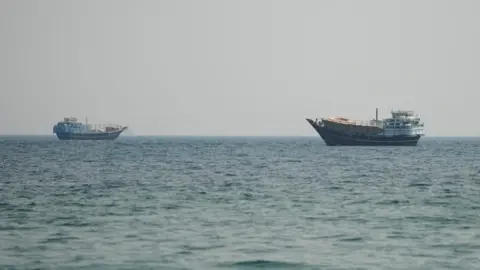
Tensions between the United States and Iran have reached a dangerous peak, with President Donald Trump threatening devastating military strikes on Iranian bridges and power plants unless the country returns to diplomatic negotiations. The threats come as both nations continue exchanging military fire for the fourth consecutive day, with strikes now spreading across the broader Middle East region.
In a Fox News interview aired on Tuesday, Trump declared: "Next week it gets really bad for them. We're going to knock out all their power plants. We're going to knock out all their bridges unless they get to the table and negotiate." He added that US negotiators had warned Iranian officials they would "not have anything left" if a deal was not reached.
The escalating military situation
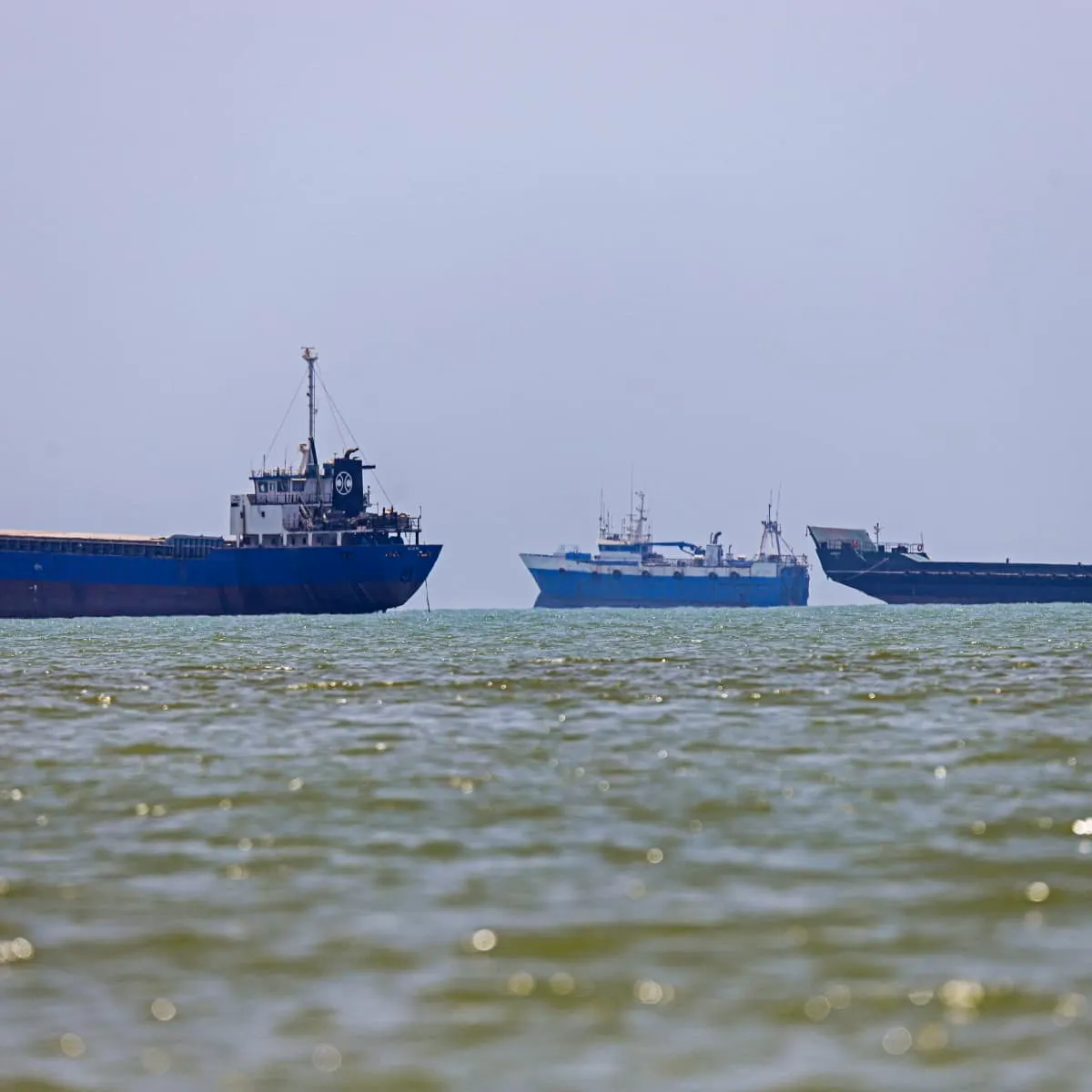
The rhetoric reflects an alarming deterioration on the ground. US Central Command confirmed it launched fresh strikes against Iranian military capabilities, targeting what it described as assets used to attack commercial shipping in the strategically critical Strait of Hormuz. Admiral Brad Cooper stated that Iran had "intentionally targeted civilians" by attacking seven commercial vessels, resulting in nearly a dozen civilian crew members killed, missing or injured.
Iran's Islamic Revolutionary Guard Corps confirmed targeting two United Arab Emirates tankers, claiming the vessels ignored warnings and attempted to traverse a mined route. The violence has since spread: Kuwait reported intercepting Iranian attack drones early Wednesday, while Bahrain activated air raid sirens after Iranian cruise missiles targeted US military facilities in the country.
The UN has previously condemned these tactics. In April, UN human rights chief Volker Türk stated that "deliberately attacking civilians and civilian infrastructure is a war crime" under international law, referencing the 1949 Geneva Conventions that explicitly prohibit strikes on infrastructure essential to civilian survival.
Why it matters for Ghana
For Ghana and other African nations, this escalating crisis poses serious economic consequences. The Strait of Hormuz, through which roughly one-third of the world's seaborne oil passes, has seen tanker traffic virtually stall. This disruption directly drives up global oil prices—a critical concern for Ghana, which imports significant quantities of refined petroleum products.
Higher international crude prices translate into increased fuel costs at Ghana's pumps, which ripple through transportation, electricity generation and manufacturing sectors. Ghana's already-strained economy, facing inflation pressures, cannot easily absorb such external shocks. Additionally, any further escalation risks drawing in regional powers and potentially disrupting global supply chains affecting goods Ghanaians rely on for imports.
Trump initially threatened to impose a 20% toll on all cargo transiting the Strait, claiming the US would use revenue to offset the cost of military protection. He reversed this position, instead announcing "massive" trade and investment deals with Gulf states—though providing no details. Simultaneously, the US reimposed a naval blockade on Iran aimed at strangling its economy further.
The broader strategic picture
Iran accuses the United States of unilateral interference in managing the Strait of Hormuz, a waterway it views as within its sphere of influence. However, Tehran's leverage over this chokepoint—controlling roughly 21% of global oil traffic—means that escalation threatens the entire world economy.
Trump declared the US the "guardian" of the Strait and vowed that "oil is flowing like never before, thanks to the awesome Power of the United States Military." Yet shipping data contradicts this assertion, showing dramatic slowdowns in traffic as companies avoid the volatile region.
The UN's repeated warnings about civilian targeting appear to have little deterrent effect. Both sides show no signs of backing down, and diplomatic off-ramps remain unclear. For Ghana, policymakers should monitor developments closely and consider contingency planning for energy security, including evaluating renewable energy acceleration and fuel storage strategies to buffer against prolonged price spikes.
Source: MyJoyOnline
Comments (0)
Be the first to comment.