US and Iran escalate military strikes as Strait of Hormuz tensions spiral out of control
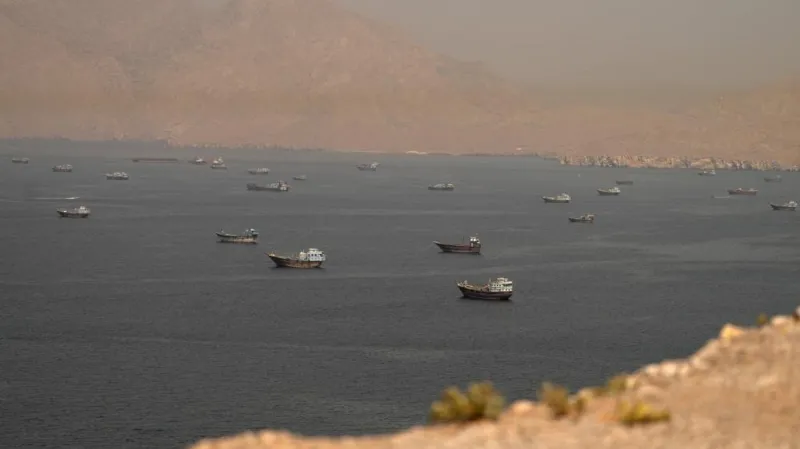
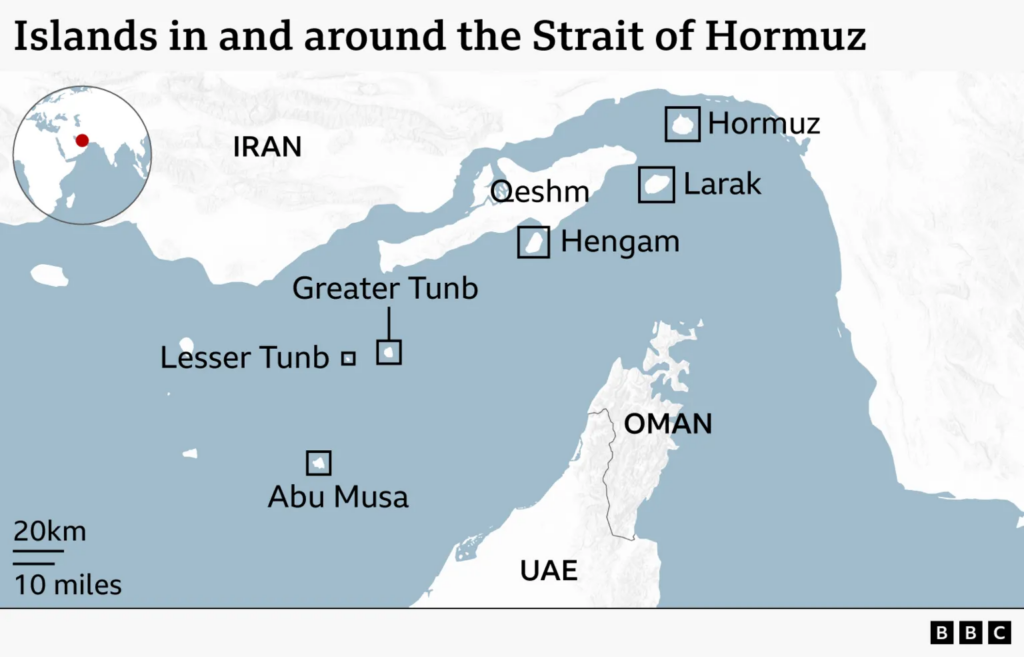
Tensions between the United States and Iran have reached a dangerous peak this weekend, with both nations exchanging major military strikes that threaten to destabilise one of the world's most crucial shipping lanes. The Strait of Hormuz, through which roughly a third of global maritime oil traffic passes, has become the flashpoint in a rapidly deteriorating standoff that could have serious consequences for Ghana and other developing nations dependent on stable energy prices.
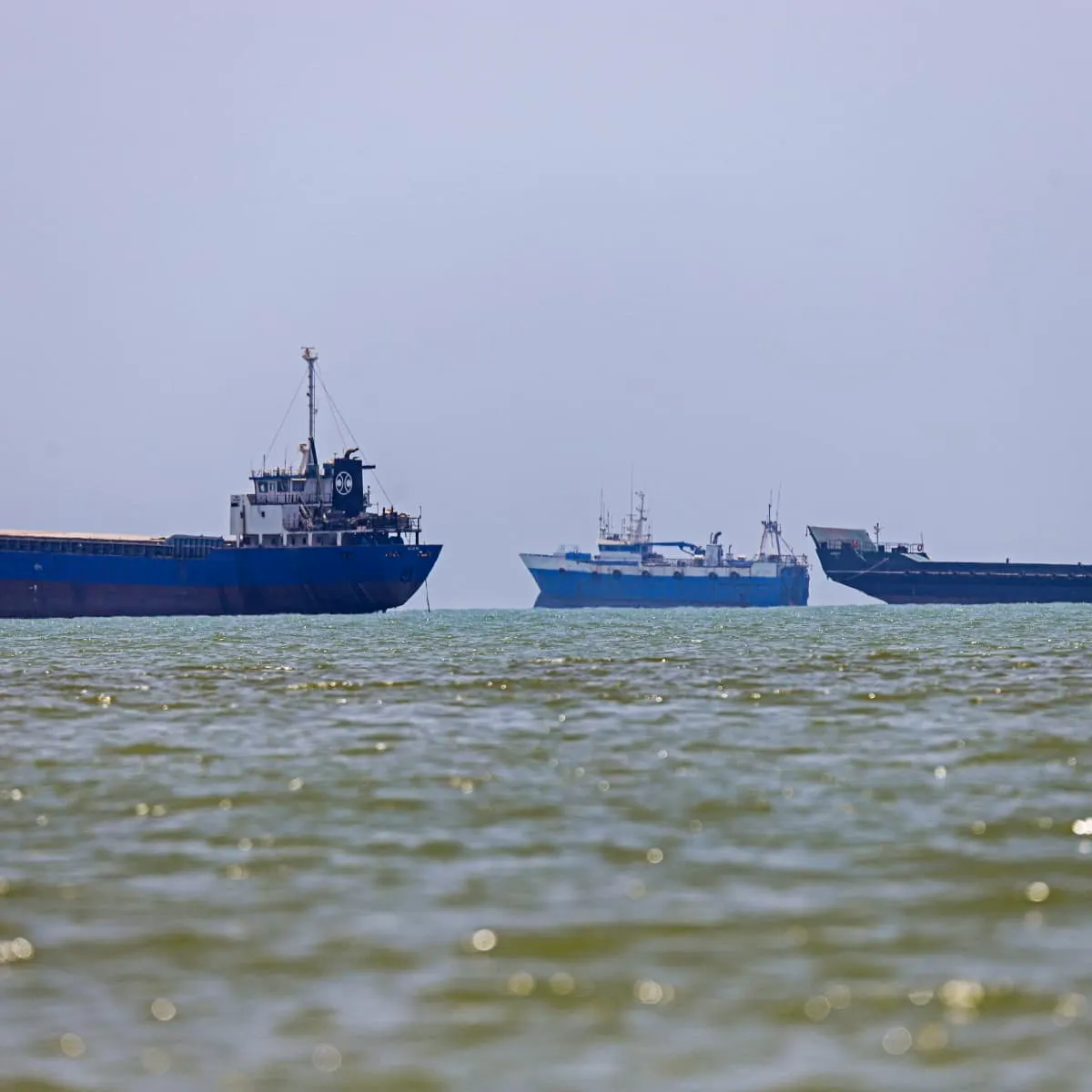
The fresh round of hostilities began when Iran's Islamic Revolutionary Guard Corps claimed it attacked a Cyprus-flagged vessel, the MV GFS Galaxy, for allegedly using an unapproved shipping route through the strait. The strike damaged the vessel's engine room, forcing its crew to abandon ship. The US responded by launching strikes against more than 140 Iranian military targets, including missile and drone facilities, communications networks, and coastal surveillance positions across Iran.
In what marks a significant escalation, Iran's IRGC launched a wide-ranging retaliatory assault on Sunday, striking a US military base in Jordan and attacking multiple allied nations across the Gulf region. Qatar, the UAE, Kuwait, Oman and Bahrain all reported incoming missiles and drones from Iran. This represents the broadest Iranian offensive in the current conflict, particularly notable given that Qatar and the UAE had not faced Iranian attacks for several months.
The collapse of ceasefire hopes
An interim ceasefire agreement signed just last month now appears to be in tatters. Both sides have accused the other of violating the deal. US President Donald Trump declared the ceasefire effectively over following Iran's attacks, whilst Iran's Foreign Minister Abbas Araghchi countered that the US had breached the agreement first. Despite the breakdown, both nations have indicated that diplomatic talks could continue, though mediators face an uphill battle in reviving negotiations.
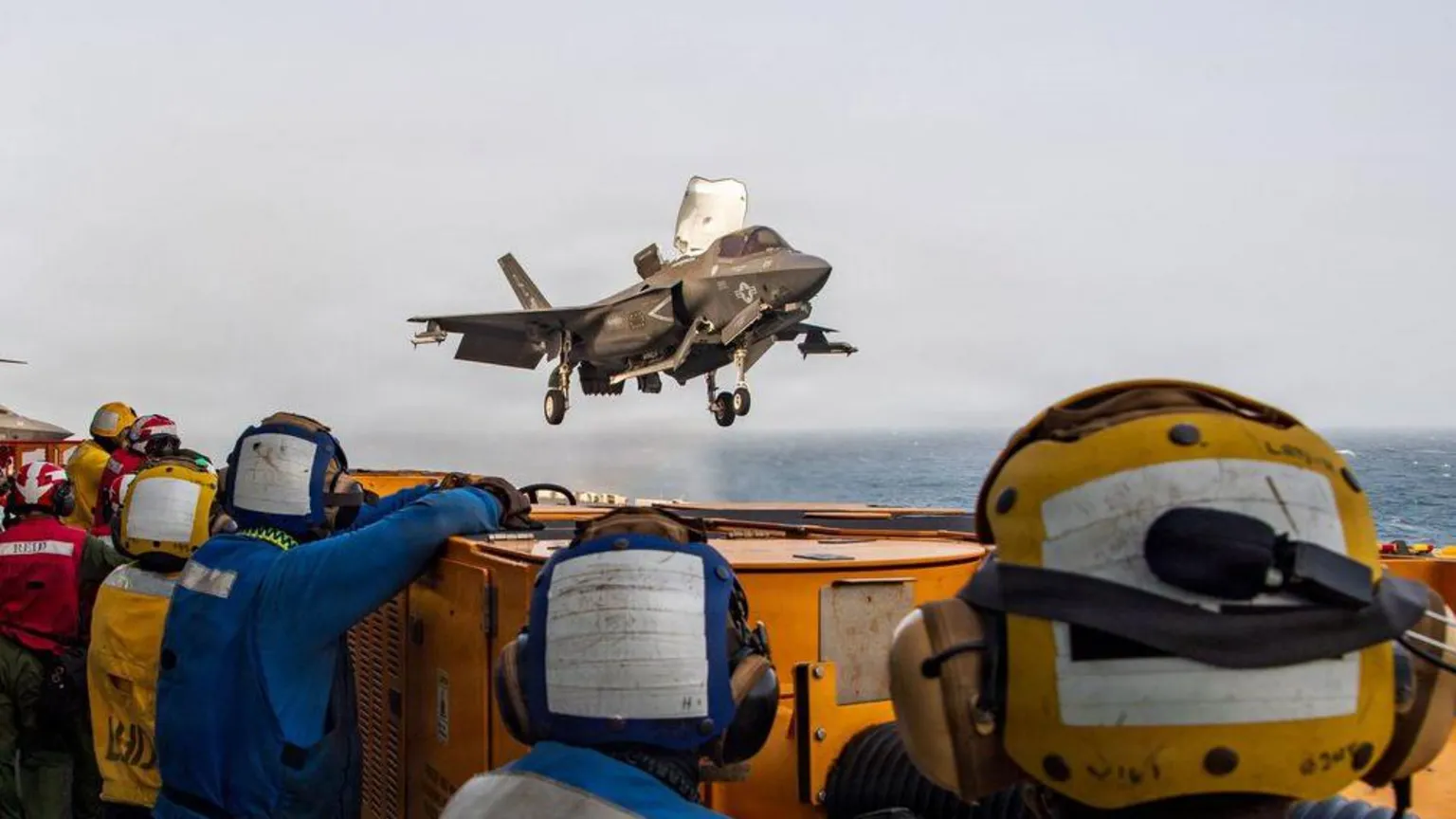
Iran has declared the Strait of Hormuz closed until further notice, directly contradicting US assertions that the waterway remains open and accessible. The US has positioned military forces in the region with explicit instructions to maintain freedom of navigation through the strait, setting up a potential confrontation over maritime access.
Why it matters for Ghana
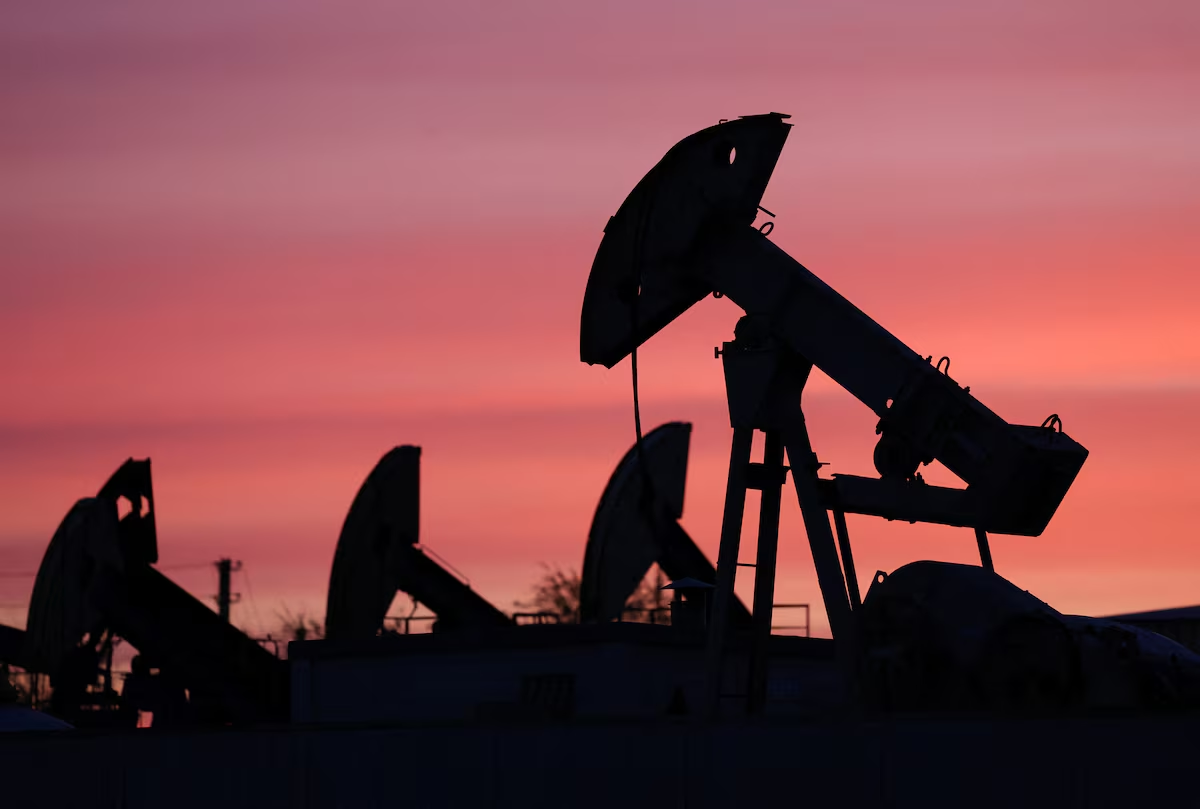
For Ghana, this escalation carries significant economic implications. As an oil-producing nation heavily reliant on stable global energy markets, any prolonged disruption to the Strait of Hormuz could push crude prices higher, affecting Ghana's government revenue and domestic fuel costs. The country imports refined petroleum products and is sensitive to international crude price volatility, which directly impacts inflation and the cost of living for ordinary Ghanaians.
Beyond energy, Ghana's broader trade relationships depend on stable global shipping routes and predictable international security. Extended conflicts in the Middle East often trigger humanitarian crises that affect African nations, potentially increasing migration pressures and regional instability. The current standoff also highlights the risks of great power competition in strategic regions, a concern for African states seeking to maintain balanced international relationships.
The situation underscores why many African nations, including Ghana, have championed multilateral diplomacy and international law as mechanisms for resolving disputes. The collapse of the US-Iran ceasefire demonstrates how quickly fragile agreements can break down, a cautionary tale for continental peace initiatives like those pursued through the African Union.
Next steps and uncertainty
At present, the situation remains fluid. Both the US and Iran continue military posturing, with the US insisting on maintaining open shipping lanes whilst Iran asserts control over strategic waterways. Mediators, particularly Qatar, are attempting to restart diplomatic channels, but trust between the parties appears severely damaged.
The international community, including allies of both nations, appears caught between competing interests. The stability of global energy markets, freedom of navigation, and regional security all hang in the balance. For observers in Ghana and across Africa, the coming days will be critical in determining whether cooler heads prevail or whether this conflict enters a more dangerous phase.
Source: The Ghana Report
Comments (0)
Be the first to comment.