
GOIL Ready for Market Battle as Star Oil Intensifies Fuel Price War


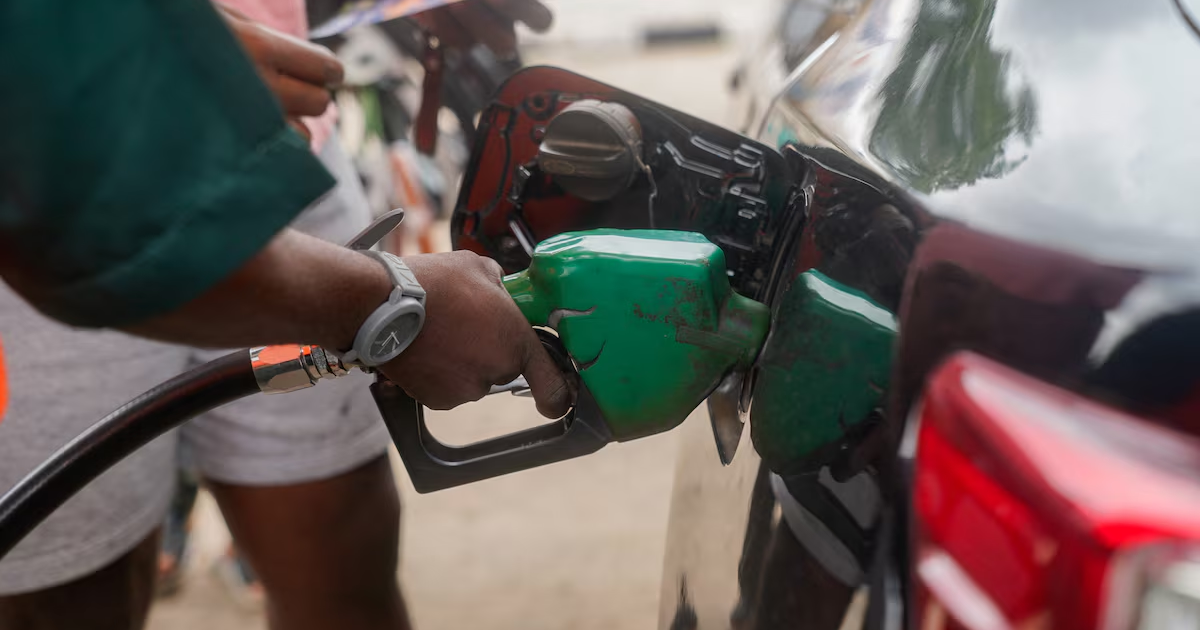
Ghana's fuel retail market is heating up as two major oil marketing companies engage in an increasingly aggressive price war. GOIL, a long-established player in the sector, has signalled it will fiercely defend its market position against rising challenger Star Oil, according to GOIL's Chief Executive Officer Edward Bawa.
Speaking on Joy News' PM Express Business Edition, Bawa made clear that GOIL views the competition as a serious threat but remains confident in its ability to retain customers. "GOIL will be a tough nut to crack," he stated, emphasising the company's determination to hold onto its customer base even as Star Oil pursues aggressive pricing strategies.
A Cordial Business Rivalry
Despite the fierce competition, Bawa painted a picture of mutual respect between the two rivals. He revealed that he and Star Oil CEO Philip Kwame Tieku have never actually met in person, yet maintain what he described as a "social media relationship." Tieku's gesture of wishing Bawa a happy birthday on social media particularly impressed the GOIL executive, who said it demonstrated maturity and professionalism transcending their business rivalry.
"That irrespective of the fact that we are combatants in the business world, on a personal level we can still be friends," Bawa remarked, indicating that the two chief executives have developed a respectful rapport despite competing for the same customers. This suggests that whilst the price war may be intense, relationships at leadership level remain professional and amicable.
Both companies are pursuing different strategies to win over consumers in what Bawa acknowledged is an increasingly competitive downstream petroleum market. GOIL's approach appears focused on leveraging its established brand and market position, whilst Star Oil has gained attention through competitive pricing that has forced established players to respond aggressively.
Why it Matters for Ghana
The intensifying competition between GOIL and Star Oil carries significant implications for Ghanaian consumers and the broader economy. At the most immediate level, price wars between fuel retailers typically benefit motorists and businesses that depend on petrol and diesel, as companies undercut each other to capture market share. Lower fuel prices can ease transportation costs for commuters, reduce logistics expenses for businesses, and potentially help stabilise inflation across various sectors.
However, the competitive dynamics also reflect broader shifts in Ghana's downstream petroleum sector. For decades, GOIL held a dominant position as a state-owned enterprise with established infrastructure and customer loyalty. The emergence of aggressive competitors like Star Oil signals that the market is becoming more open and competitive, which can drive efficiency and innovation across the industry.
The fuel retail sector remains critical to Ghana's economy, affecting everything from transport costs to industrial production. The outcome of this market battle could influence pricing patterns, investment decisions, and ultimately the operational costs faced by businesses and households across the country. Additionally, how these two companies compete—whether through genuine service innovation or unsustainable price-cutting—will shape the future health and sustainability of Ghana's petroleum retail sector.
Looking Ahead
Bawa's comments suggest that GOIL is bracing for prolonged competition and won't respond passively to Star Oil's market advances. The company appears committed to deploying its own competitive strategies, though Bawa didn't specify what these might entail beyond the implied willingness to engage in price competition.
As the fuel retail sector continues to evolve, consumers and industry watchers will be monitoring whether this competition drives sustainable improvements in service quality and pricing, or whether it eventually forces consolidation in the market. For now, the price war appears set to intensify, with both companies determined to claim or retain their slice of Ghana's petroleum retail market.
Source: MyJoyOnline


Comments (0)
Be the first to comment.