Ghana's refining push offers no quick fix to global fuel shocks, says energy expert
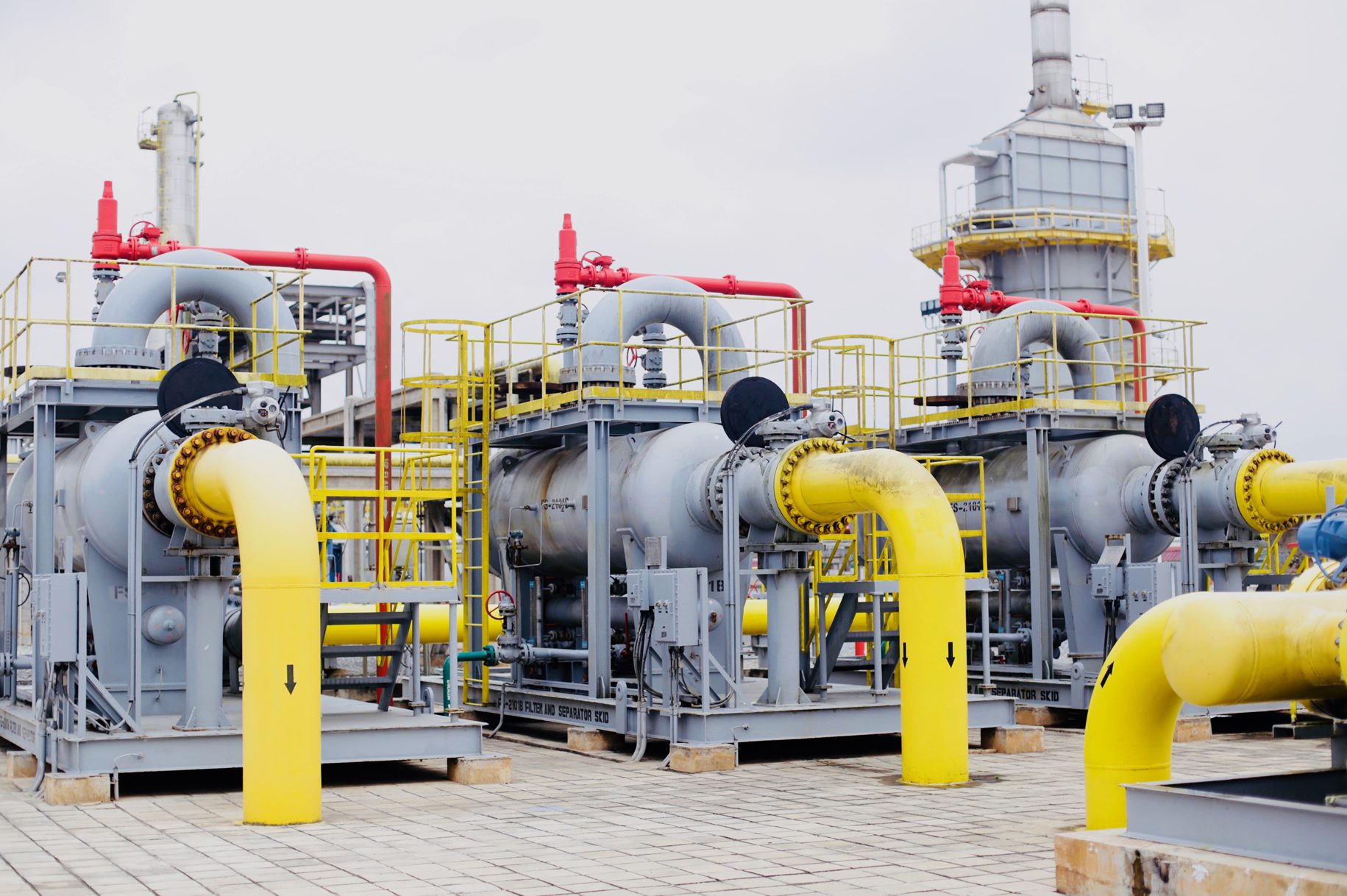
Ghana's ambitious plans to expand domestic refining capacity will strengthen the country's energy security, but cannot yet shield consumers and businesses from the volatility of global petroleum markets, according to Benjamin Nsiah, Executive Director of the Centre for Environmental Management and Sustainable Energy (CEMSE).
Speaking to the Ghana News Agency, Mr Nsiah cautioned against viewing new refinery projects as a complete solution to fuel price instability. Even with all planned refineries operating at maximum capacity, domestic output would cover only about 60 per cent of Ghana's current daily petroleum demand of between 120,000 and 140,000 barrels—meaning the country would remain dependent on imports for the remaining 40 per cent.
Why the vulnerability persists
Ghana's fuel prices remain exposed to international market forces through multiple channels. Under the country's deregulated pricing system, pump prices are directly influenced by global refined petroleum product costs, fluctuations in the Ghana cedi-to-dollar exchange rate, shipping and insurance expenses, and statutory taxes and levies. This structural dependency means that even as local refining grows, external shocks—whether from geopolitical tensions affecting oil supplies or currency depreciation—will continue to ripple through the domestic market.
Mr Nsiah emphasised that these international factors create a ceiling on how much domestic refineries alone can stabilise prices. Without addressing the broader pricing framework, expanding capacity offers only partial protection.
Emerging opportunities on the horizon
However, the energy expert highlighted genuine progress in Ghana's refining sector. The Tema Oil Refinery (TOR) recently announced a profit after tax of GH¢1.24 billion, signalling successful operational reforms. More significantly, TOR has proposed adding approximately 100,000 barrels of daily capacity, whilst private sector player Sentuo is also expanding output.
If these expansion plans materialise, combined capacity could eventually meet Ghana's entire daily fuel requirement—and potentially generate surplus for export to neighbouring West African nations. Such a scenario would fundamentally alter Ghana's energy position within the sub-region and create new revenue streams.
The case for pricing reform
To realise these benefits, Mr Nsiah recommended that Ghana begin gradually restructuring its petroleum pricing framework as refining capacity grows. Rather than remaining tethered to international benchmarks, the pricing system should progressively incorporate the actual costs and operational realities of local refineries. This recalibration would create space for domestic factors to influence prices more than global ones—a significant shift in the country's energy economics.
The long-term vision Mr Nsiah articulated is of a resilient petroleum sector capable of ensuring fuel availability whilst minimising the impact of external disruptions on Ghanaian consumers and businesses. Achieving this requires both infrastructure expansion and systemic reform, neither of which can succeed alone.
For Ghana's growing economy and expanding energy needs, the path to petroleum security is therefore neither quick nor simple—but the convergence of operational improvements at TOR and new private refinery investment suggests the journey is beginning in earnest.
Source: MyJoyOnline


Comments (0)
Be the first to comment.