
Ghana aims for 70% local fuel self-sufficiency as TOR and Sentuo expand refining capacity

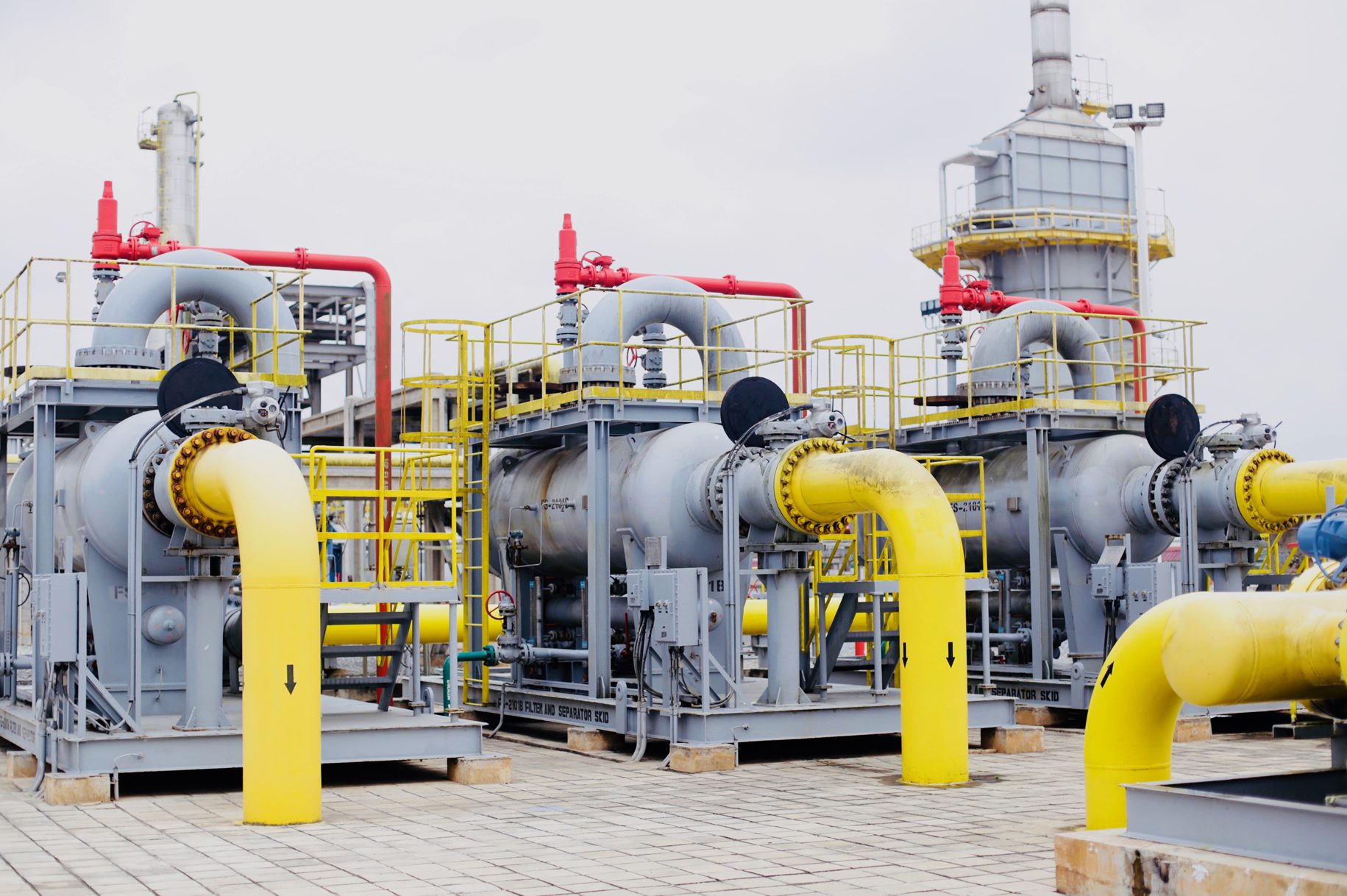
Ghana is positioning itself to produce approximately 70 percent of its domestic refined petroleum needs once expansion projects at the Tema Oil Refinery (TOR) and Sentuo Oil Refinery reach completion, Energy Minister Dr. John Abdulai Jinapor announced at the Ghana International Petroleum Conference (GhIPCon) 2026.
The ambitious target marks a significant shift in Ghana's energy strategy. Rather than exporting crude oil and importing refined products, the government is investing in local refining capacity to retain more value from the country's petroleum resources and reduce vulnerability to global fuel price volatility.
As part of the strategy, government has allocated crude oil from Ghana's Jubilee Field to TOR. This follows an earlier decision to supply a one-million-barrel parcel of Jubilee crude to support domestic refining operations. The move demonstrates government commitment to revitalizing TOR, which has historically struggled with operational challenges and underutilization.
Economic and strategic benefits for Ghana
The expansion programmes promise substantial economic gains beyond energy security. Minister Jinapor highlighted that increased domestic refining would ease pressure on Ghana's foreign exchange reserves—a critical concern given the cedi's volatility and the country's import bills. When Ghana imports refined fuel rather than exporting crude oil, it loses foreign currency that could support other sectors.
Job creation across multiple industries represents another key benefit. Transport, engineering, manufacturing, logistics and technology services sectors would expand to support larger-scale refining operations. Beyond direct refinery employment, downstream industries supplying equipment, spare parts and services would see increased demand.
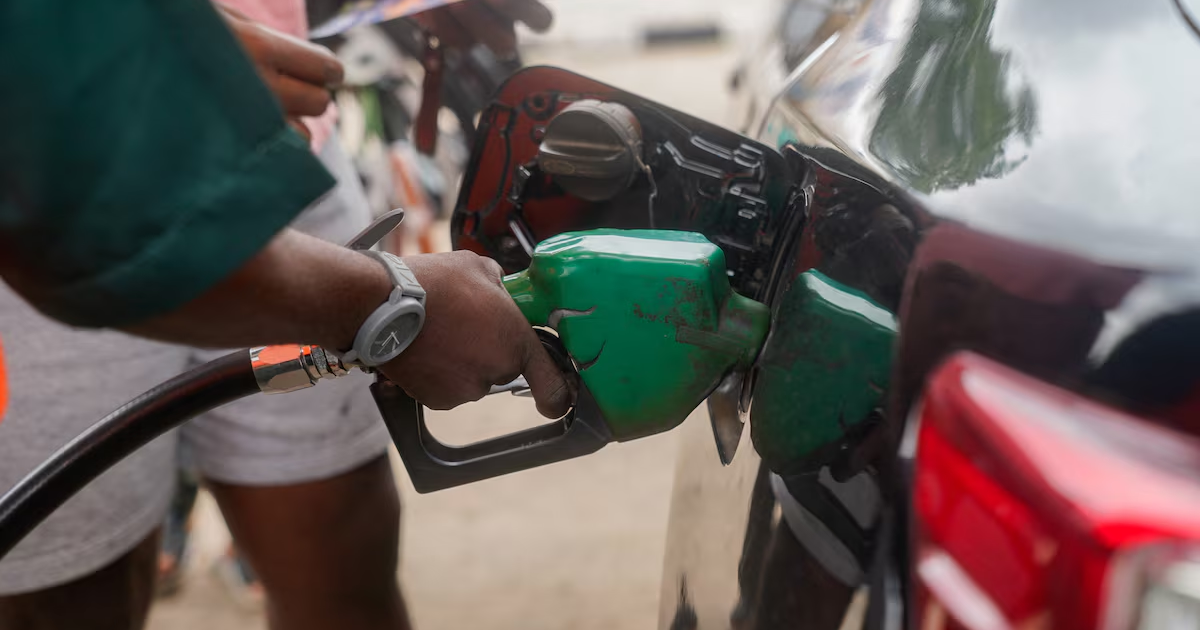
Strengthening the balance of payments position and improving supply reliability are additional advantages. A country that produces most of its fuel domestically avoids disruptions caused by global shipping delays, geopolitical tensions or refinery accidents in supplier nations.
Why this matters for Ghana
Ghana's petroleum sector is central to government revenue and foreign exchange earnings, yet the country has paradoxically imported much of its refined fuel while exporting crude. This reflects a broader African challenge: resource-rich nations often fail to develop downstream industries, missing opportunities for value-addition and industrial development.
The refinery expansion aligns with Ghana's broader industrial transformation agenda. By processing more petroleum domestically, Ghana creates a foundation for petrochemical industries, fertiliser production and other downstream manufacturing that generates higher-value employment than simple crude export. This strategy mirrors successful models in countries like Nigeria and Angola, though implementation remains challenging.
However, the success of these projects depends on execution. TOR has faced persistent technical and financial difficulties over decades, so completing expansion on schedule and budget will be critical. Sentuo, as a newer facility, represents a more promising asset but both refineries require sustained investment and operational excellence.
The government's crude oil allocation also requires careful management to balance domestic refining needs against state revenue from crude sales—a delicate economic decision.
Next steps
The timeline for completion of both expansion projects remains important to monitor. Energy security improvements depend on these projects reaching full capacity and operating reliably. Ghana's continued investment in downstream petroleum infrastructure signals confidence in the sector's long-term viability despite the global energy transition toward renewable sources.
Source: MyJoyOnline


Comments (0)
Be the first to comment.