
Ghana Steers Clear of Global Energy Chaos: How We Kept Fuel Flowing While Markets Burned
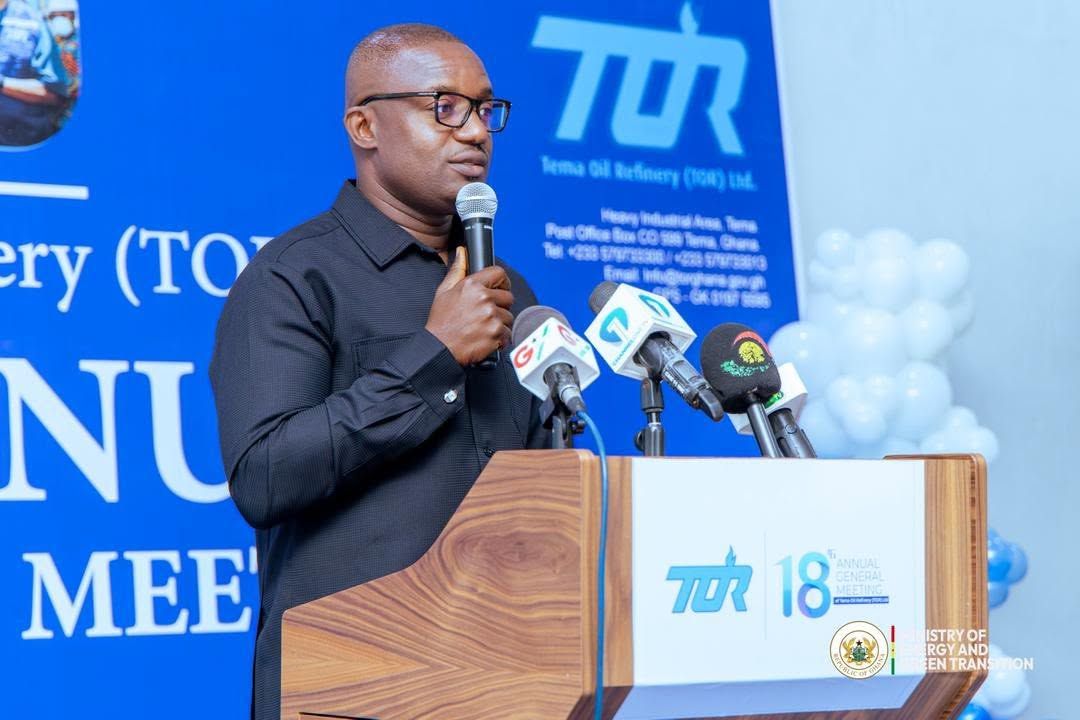
Ghana has successfully maintained uninterrupted availability of petroleum products even as global energy markets have faced significant disruptions, Energy Minister John Peter Jinapor has announced. The achievement underscores the government's commitment to ensuring fuel security for consumers, businesses, and industries across the country despite volatile international conditions.
Speaking on the broader requirements for sustained energy sector stability, Jinapor emphasised three critical pillars: investors demand policy credibility and certainty, businesses require predictability, and consumers need transparency and fairness in pricing and supply. These principles have reportedly guided Ghana's approach to navigating recent energy market turbulence.
Maintaining Fuel Security in Turbulent Times
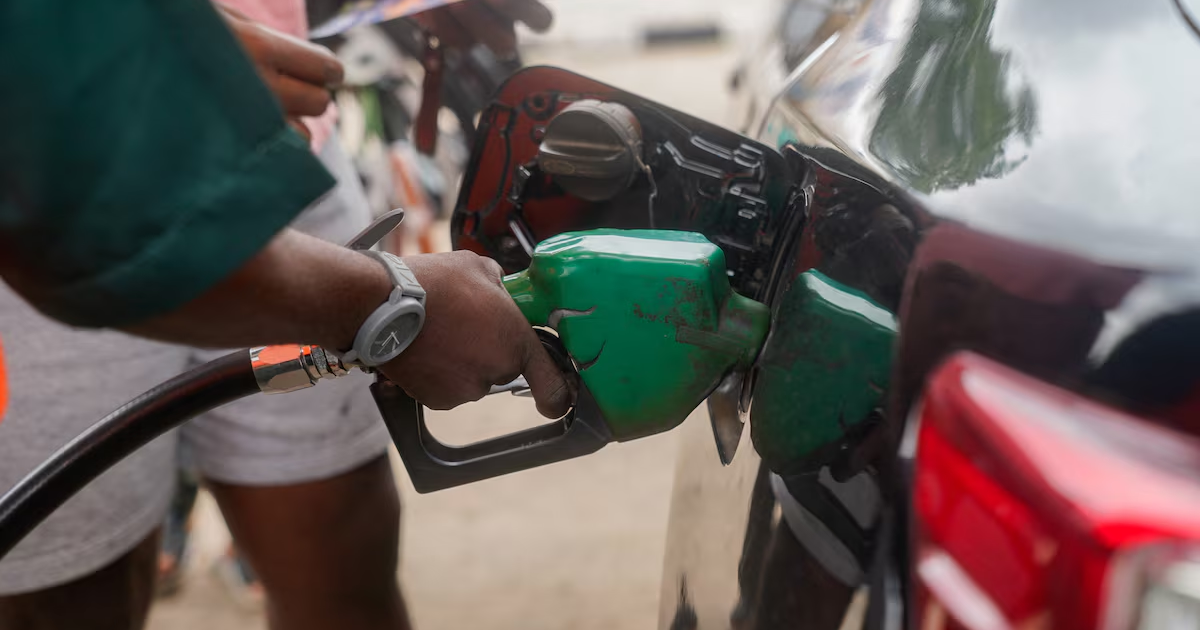
The global energy landscape has been marked by price volatility, supply chain disruptions, and geopolitical tensions affecting petroleum product availability in many countries. Ghana's ability to keep petrol, diesel, and other fuel products consistently available at pumps represents a significant achievement for energy security.
The statement reflects government efforts to balance competing interests: keeping fuel accessible to ordinary Ghanaians, maintaining reasonable prices for businesses dependent on petroleum products, and ensuring the sector remains attractive for long-term investment. Public transportation, manufacturing, agriculture, and countless other sectors depend on stable fuel supply, making this achievement economically significant.
Why It Matters for Ghana
For Ghanaians, reliable fuel availability directly impacts daily life and economic activity. Transport costs influence prices across markets, from food to goods to services. Manufacturing businesses relying on generators during power shortages depend on diesel and petrol availability. Disruptions create cascading economic problems that affect household budgets and business viability.
The energy sector also represents a substantial revenue source for government, with petroleum taxation funding public services and infrastructure. Consistent, transparent energy policy attracts international investment and strengthens Ghana's reputation as a stable business environment in West Africa. Conversely, energy shortages have historically created economic strain, affecting everything from agricultural productivity to industrial competitiveness.
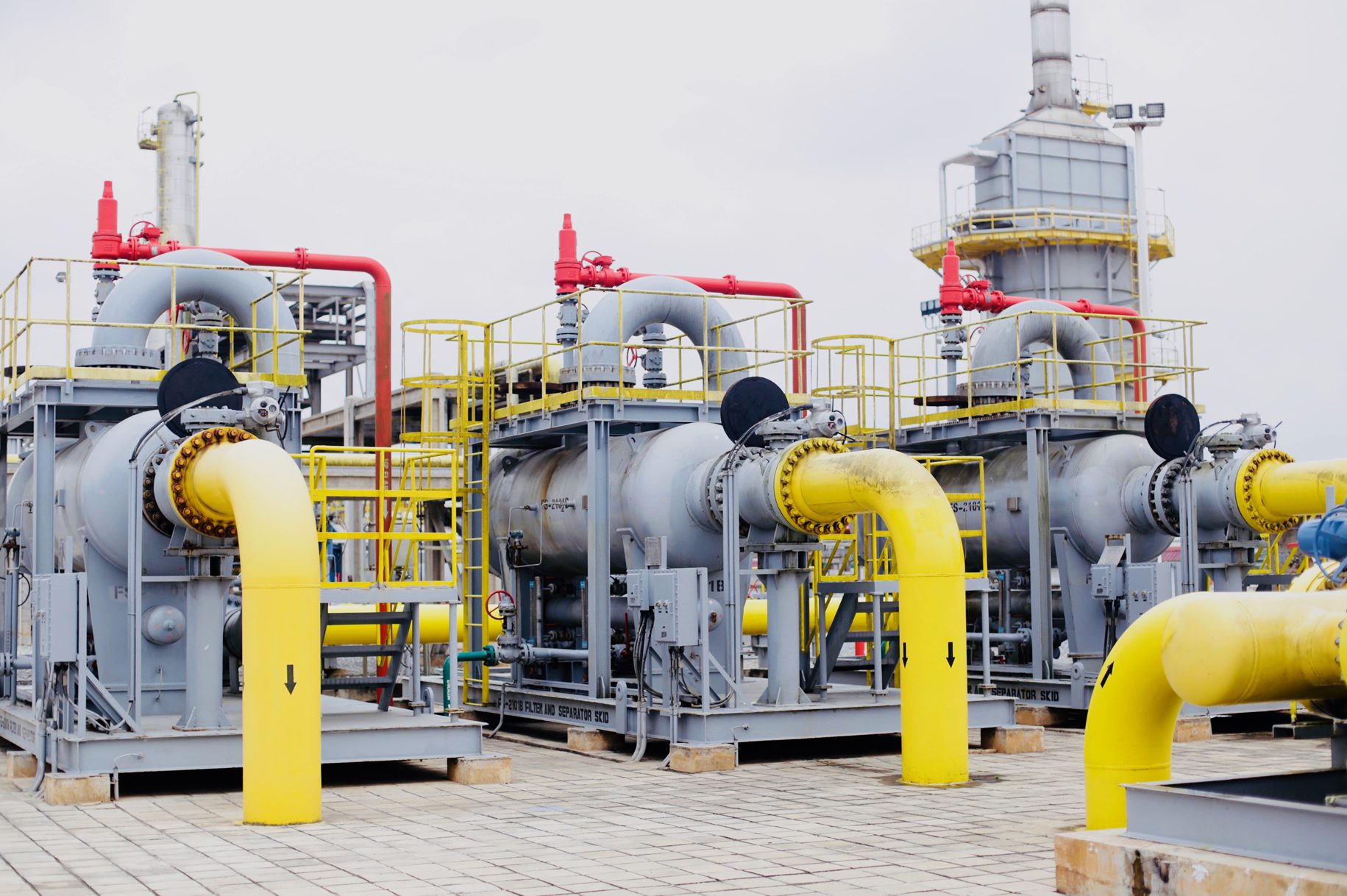
Jinapor's emphasis on policy credibility, business predictability, and consumer transparency suggests the government recognises these broader implications. In practice, this means maintaining strategic petroleum reserves, negotiating reliable supply contracts with international partners, managing local refinery operations, and communicating clearly with the public about pricing decisions.
Looking Forward
The minister's statement appears designed to reassure both domestic stakeholders and international partners that Ghana's energy sector operates on sound principles. This messaging is important for attracting foreign direct investment in oil and gas exploration, supporting Ghana's growing energy production capacity.
However, sustaining this performance requires continued attention to infrastructure, institutional strengthening, and adapting to ongoing global energy transitions as the world gradually shifts toward renewable energy sources. Ghana's ability to weather current disruptions while planning for long-term energy security will determine whether this success becomes a lasting competitive advantage.
Source: 3News


Comments (0)
Be the first to comment.