
Ghana Can Lead West Africa's Energy Revolution, Says Mining Minister Jinapor

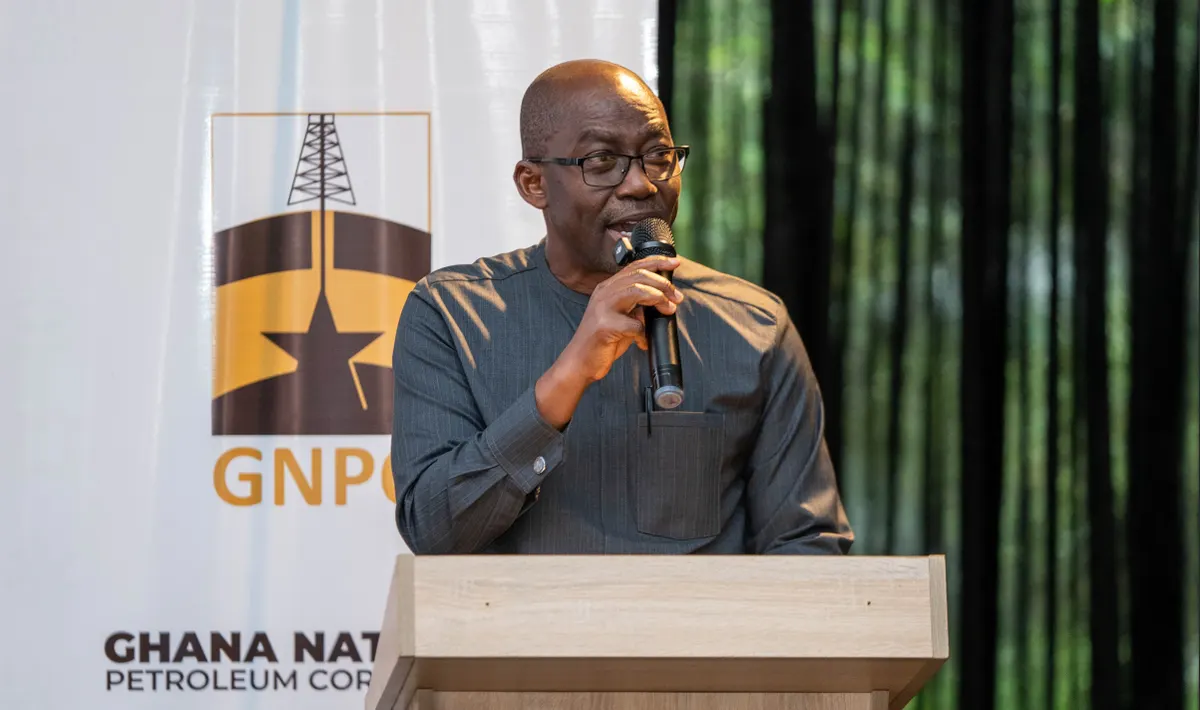
Ghana has a genuine opportunity to become West Africa's leading energy and petroleum hub, but only if government, industry players, and other key stakeholders work in unified coordination, according to Mining and Energy Minister John Peter Amewu.
Speaking at a recent gathering of energy sector stakeholders, Amewu emphasised that Ghana's strategic location, existing infrastructure, and proven oil and gas reserves provide a competitive advantage that the nation must leverage aggressively. The minister's remarks come as global energy markets continue to shift, creating both challenges and fresh opportunities for African producers.
Ghana's Energy Potential in a Changing Global Landscape
The global energy sector has undergone significant transformation in recent years, driven by geopolitical tensions, supply chain disruptions, and the accelerating transition towards renewable sources. Within this volatile context, Ghana's position as a stable, growing producer with established operations in the Gulf of Guinea becomes increasingly valuable to international investors and regional partners.
Ghana currently operates major oil fields including Jubilee, TEN (Tano Ebi Nifa), and Sankofa-Gye Nyame, with combined production capacity that ranks the nation among sub-Saharan Africa's significant petroleum producers. Beyond crude oil, Ghana also possesses natural gas resources that remain largely underdeveloped, representing a substantial growth frontier.
Why It Matters for Ghana
Positioning Ghana as West Africa's energy hub carries transformative implications for the national economy and employment landscape. Success in this ambition could:
- Generate substantial government revenue through increased oil and gas production and taxation, providing funds for critical infrastructure and social programmes
- Create thousands of direct and indirect jobs across exploration, production, refining, engineering, and support services
- Attract foreign direct investment and transfer of advanced technology and expertise to local professionals
- Establish Ghana as a regional energy security anchor, influencing regional geopolitics and trade relationships
- Support the development of downstream industries such as petrochemicals and refining, adding value to raw resources
However, realising this vision requires overcoming significant hurdles. The sector must navigate volatile international commodity prices, technological challenges in deepwater operations, environmental and climate concerns, and the need for robust regulatory frameworks that balance commercial interests with sustainability.
The Road Ahead: Coordination and Vision
Minister Amewu's call for stakeholder unity underscores a critical truth: Ghana's energy future depends not on any single actor but on coordinated effort across government agencies, private oil companies, local communities, financial institutions, and civil society. This includes establishing clear policies, ensuring transparent governance, investing in workforce development, and maintaining environmental stewardship.
The minister's message also reflects a broader regional context. As other West African nations—including Nigeria, Côte d'Ivoire, and Senegal—develop their own hydrocarbon resources, competition for investment and market share will intensify. Ghana's advantage lies in its track record of relative stability, established production platforms, and the opportunity to learn from other nations' experiences.
For Ghanaians, the stakes are high. If the nation successfully positions itself as West Africa's energy hub of choice, the benefits could reverberate across the economy for decades. Conversely, failure to seize this moment amid global energy transitions could see opportunities shift to competitors or fade as the world gradually shifts away from fossil fuels.
Source: 3News

Comments (0)
Be the first to comment.