Petrol and diesel prices surge in second half of July as global oil tensions bite
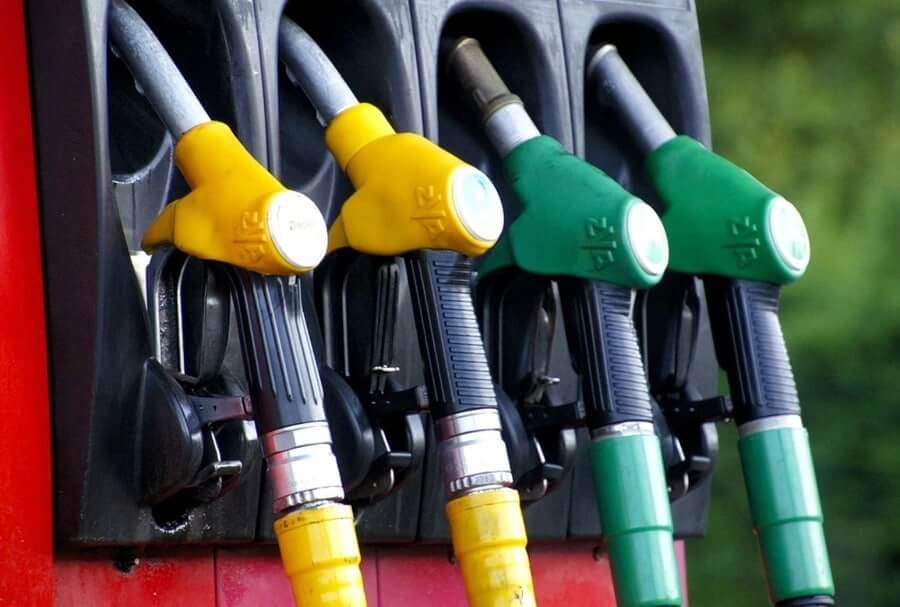
Ghanaians will face higher costs at the fuel pump from mid-July onwards, as the National Petroleum Authority (NPA) has announced significant increases in fuel price floors for the second pricing window of the month. The adjustments reflect growing global oil market pressures, with petrol climbing by nearly 4% and diesel surging by 6% compared to early July rates.
The price floor for petrol has jumped from GH¢12.79 per litre in the first pricing window to GH¢13.28 per litre in the second window—a rise of GH¢0.49 per litre or 3.8%. Diesel prices have climbed even more steeply, increasing from GH¢13.54 per litre to GH¢14.35 per litre, representing a GH¢0.81 per litre jump or 6.0% increase. Liquefied petroleum gas (LPG) has seen a more modest rise, moving from GH¢10.11 per kilogram to GH¢10.19 per kilogram—a GH¢0.08 per kilogram or 0.8% increase.
What's driving the price hike?
The NPA attributes the adjustment to changing market conditions, particularly tensions in the Middle East involving the United States and Iran that have rattled global energy markets. Brent crude oil prices have climbed above US$80 per barrel, putting upward pressure on fuel costs worldwide. Ghana, as an oil-importing nation dependent on global market rates, is directly exposed to these international price movements.
The increases come even though the NPA had recently announced reductions in fuel prices, showing the volatile nature of energy markets. These price fluctuations are a regular feature of Ghana's fuel supply chain, with adjustments made every two weeks in different pricing windows to reflect real-time market shifts.
Understanding fuel price floors and what's next
It's important to note that price floors set by the NPA are minimum benchmarks that Oil Marketing Companies (OMCs) and LPG Marketing Companies (LPGMCs) must use when pricing fuel. However, the actual prices Ghanaians pay at petrol stations will be higher because they include additional costs not covered by the floor prices. These extras include premiums charged by International Oil Trading Companies, operating margins for Bulk Import, Distribution and Export Companies, and the margins earned by fuel marketers and fuel station operators.
The Petroleum Product Pricing Guidelines (PPPG) require all fuel retailers to follow approved price floors during each pricing window, creating a standardised minimum across the market whilst allowing individual stations to add their own markups.
Why it matters for Ghana
These fuel price increases will ripple through Ghana's economy almost immediately. Transport operators and commercial drivers often adjust fares within days of fuel price hikes, meaning public transport costs will likely rise. This feeds into broader inflation, affecting the prices of goods and services across the country—from food items transported to markets to manufacturing costs for businesses that rely on diesel-powered generators during power challenges.
For ordinary Ghanaians, particularly those in lower-income brackets who spend a significant portion of their earnings on transport and energy, the cumulative effect of repeated fuel price increases can strain household budgets considerably. Businesses that depend on fuel, from logistics companies to small-scale traders, may face margin pressures.
Analysts warn that if global crude oil prices continue climbing due to ongoing Middle East tensions, Ghana could face further pressure on fuel costs in subsequent pricing windows. Additionally, any depreciation of the Ghanaian cedi against the US dollar—in which oil is traded globally—would amplify these price increases at home. Consumers and businesses should brace for potentially higher pump prices in the coming weeks, depending on how international markets evolve.
Source: The Ghana Report


Comments (0)
Be the first to comment.