Iran tensions threaten to keep Ghana's fuel prices high despite global oil glut
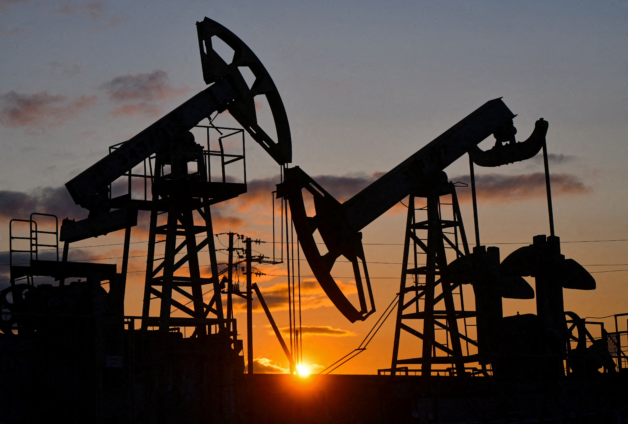
Ghanaians facing persistent petrol and diesel price pressures may find little relief in the short term, despite what appears to be a well-supplied global crude oil market. The paradox lies not in oil scarcity but in the narrowing ability to refine it into usable fuel—a constraint that could be amplified if tensions between Iran and the United States flare up further.
The disconnect between crude availability and refined product shortages has created an unusual market dynamic. Whilst crude oil prices have retreated from their wartime highs as supplies return to normal levels, petrol and diesel remain expensive. According to the International Energy Agency, refining margins—the profit refineries earn converting crude into fuel—hit four-year highs in early July. This means fuel producers globally are charging more per litre even though their raw material costs have fallen.
Why the refining bottleneck matters
Middle Eastern refineries, which typically supply significant volumes of finished products to global markets including Africa, remain severely disrupted. Exports of refined products from the Persian Gulf region stand at less than half of pre-conflict levels, even as crude shipments have recovered to around 75 percent of normal. This creates a critical gap: there is plenty of oil to pump, but fewer facilities to turn it into the petrol and diesel that power vehicles across Ghana and the broader region.
Russia's refining crisis compounds the problem. Ongoing Ukrainian drone attacks continue destroying Russian refinery capacity, further constraining global diesel and gasoline supplies. These supply-side pressures persist despite crude markets appearing adequately stocked, keeping wholesale fuel prices elevated.
What this means for Ghana
Ghana imports refined petroleum products rather than processing all crude domestically, making the nation vulnerable to global refining constraints. When international refining margins spike, local fuel pump prices typically follow within weeks. The current four-year-high margins suggest sustained upward pressure on what Ghanaian consumers pay at fuel stations.
The immediate risk is renewed U.S.-Iran hostilities. Should tensions escalate, tanker traffic through the Strait of Hormuz—the world's critical oil transit chokepoint—could face renewed disruption. This would simultaneously tighten crude supplies and worsen refining bottlenecks, creating a perfect storm for fuel price inflation. For a country managing inflation pressures and transport cost challenges, such a scenario would prove particularly damaging.
The International Energy Agency expects refineries to gradually restart and supply chains to normalise later this year, eventually pushing crude markets into oversupply and easing margins. However, this forecast explicitly assumes continued stable transit through Hormuz and no escalation in Iran-U.S. tensions. Neither assumption is guaranteed.
Ghanaian policymakers and consumers should monitor developments in the Middle East closely. Whilst global oil markets appear balanced on paper, the reality of constrained refining capacity means geopolitical risk remains the primary driver of local fuel costs.
Source: The Ghana Report
Comments (0)
Be the first to comment.