Petrol and diesel prices set to surge: What Ghanaians should know about fuel costs from September 16
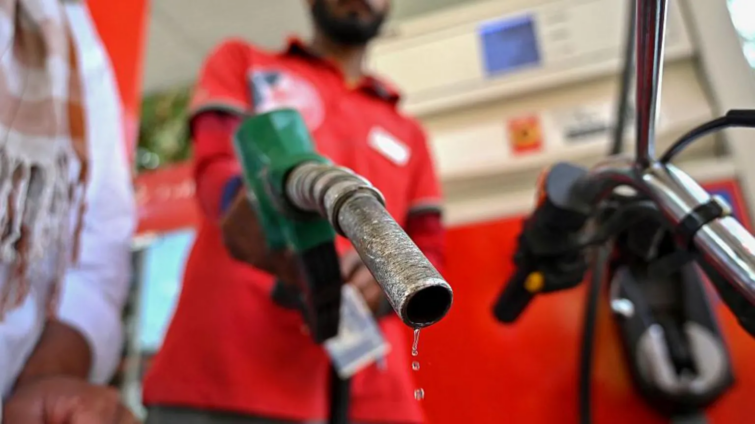
Ghanaians bracing for another round of fuel price increases will see both petrol and diesel costs climb significantly from Wednesday, September 16, 2026, according to projections from the Chamber of Petroleum Consumers (COPEC). The anticipated hikes reflect a broader global trend of rising crude oil prices, which have surged considerably over the current pricing window.
Under the latest projection, petrol is expected to jump to GH¢16.26 per litre, representing a 4.24 per cent increase from the current average of GH¢15.60 per litre. Diesel faces steeper pressure, projected to climb to GH¢19.07 per litre—a notably sharp 10.23 per cent jump from GH¢17.30 per litre. Liquefied Petroleum Gas (LPG) will also feel the pressure, with prices expected to reach approximately GH¢15.32 per kilogramme.
What's driving the price surge?
The primary culprit behind these increases is a substantial rise in international crude oil prices. During the current pricing window, global crude oil prices climbed from US$89.30 to US$103.07 per barrel—a movement that has far-reaching implications for fuel-dependent economies like Ghana. The international Free on Board (FOB) price of petrol jumped from US$1,136.50 to US$1,251.07 per metric tonne (10.08 per cent increase), while diesel saw an even steeper climb from US$1,250.50 to US$1,404.73 per metric tonne (12.33 per cent increase).
COPEC's analysis notes that Ghana's currency offered modest relief during this period. The cedi appreciated marginally against the US dollar, moving from GH¢11.5166 per dollar to GH¢11.4830—a 0.29 per cent gain. However, this small currency strength was insufficient to offset the substantial international price increases, resulting in the projected retail fuel hikes.
Why it matters for Ghana
Fuel price increases carry cascading effects throughout Ghana's economy, affecting transportation costs, food prices, utilities and broader inflation. For ordinary Ghanaians, higher fuel costs typically translate to increased transport fares, which ripple through supply chains affecting the cost of goods and services. Small businesses reliant on fuel—from commercial drivers to manufacturers—face margin pressure that often gets passed to consumers.
The sharp increase in diesel is particularly consequential for Ghana, given its role in agriculture, haulage, and electricity generation. Manufacturing sectors and rural communities that depend heavily on diesel-powered generators or transportation will feel the pinch acutely. For households already grappling with cost-of-living pressures, these increases arrive at a sensitive moment.
COPEC's projections come with a built-in uncertainty range of ±5 per cent, meaning petrol could sell between GH¢15.44 and GH¢17.08 per litre depending on final adjustments. Stakeholders, policymakers and consumers should monitor the actual pump prices when they take effect on Wednesday to assess the true impact.
Source: The Ghana Report


Comments (0)
Be the first to comment.