Accra's Kpeshie Lagoon cleanup intensifies: authorities demolish illegal structures at Laboma Beach
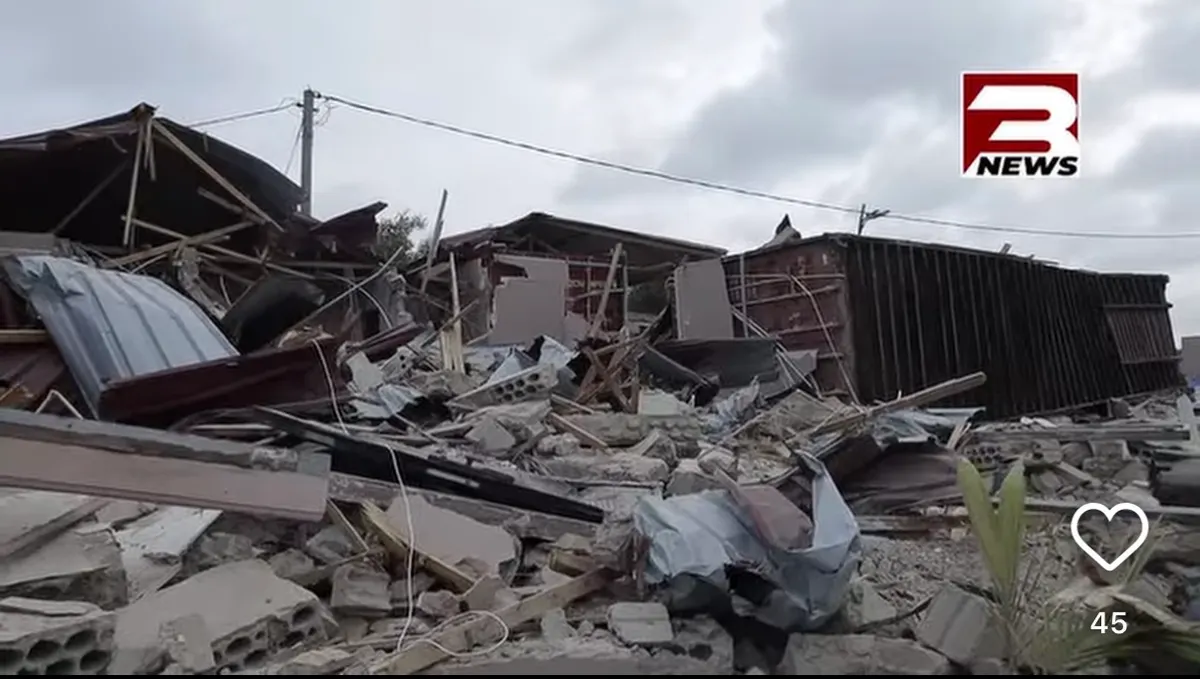
Authorities in Accra have moved into an active enforcement phase to reclaim the Kpeshie Lagoon, with the Post-Flood Mitigation Task Force demolishing illegal structures at Laboma Beach as part of a wider effort to restore waterways and reduce flooding across Greater Accra.
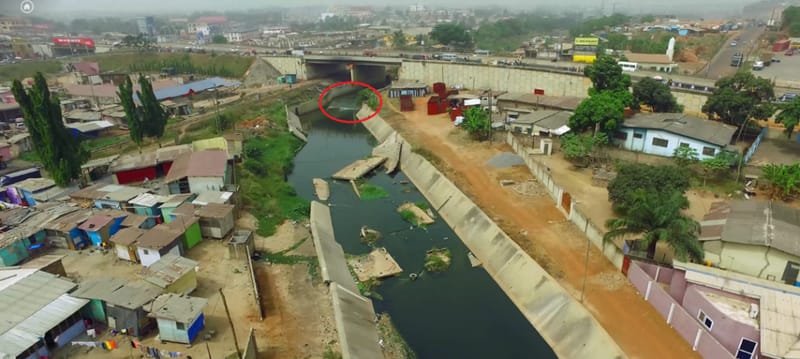
The operation marks a significant step in tackling one of the capital's most persistent urban challenges. The lagoon, which stretches across densely populated areas of Accra, has become increasingly encroached upon by informal settlements and unauthorised structures over the years. These blockages trap water during heavy rainfall, exacerbating the devastating floods that have plagued the city during the rainy seasons.
The enforcement drive and what it entails
The demolition of illegal structures at Laboma Beach represents the task force's determination to create unobstructed waterways. By removing unauthorised buildings and waste materials that choke the lagoon, authorities aim to restore the natural flow of water and improve drainage capacity across Greater Accra. The Kpeshie Lagoon is critical infrastructure for the region's water management, and its restoration is essential for protecting homes, businesses and livelihoods from inundation.
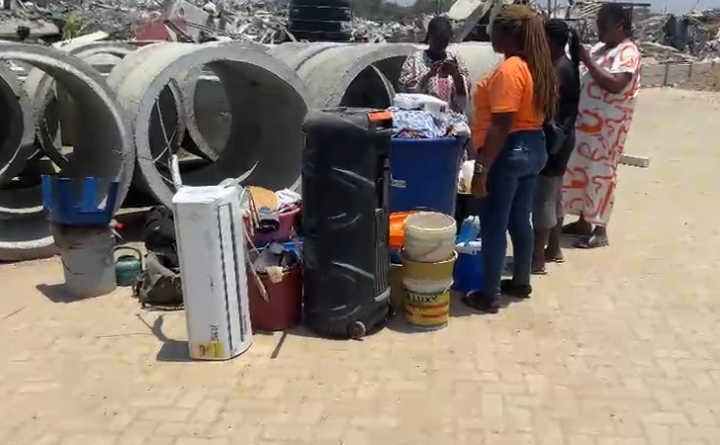
Residents living in affected areas may experience disruption during this enforcement phase, though the long-term benefits of improved drainage and reduced flooding risk are intended to outweigh short-term inconvenience. The task force has been established specifically to coordinate these mitigation efforts and prevent future flood disasters.
Why it matters for Ghana
Greater Accra has suffered repeated devastating floods in recent years, with the 2021 rainy season bringing particularly severe disruption and loss of life. When the Kpeshie Lagoon and similar waterways become blocked by illegal structures and refuse, the city's drainage system fails catastrophically, leaving thousands homeless and causing significant economic damage.
This enforcement operation is therefore a critical test of Ghana's commitment to managing urban environmental challenges. Success in clearing the Kpeshie Lagoon could serve as a model for similar interventions across Accra and other Ghanaian cities where lagoons and water bodies are similarly threatened. However, the operation also raises important questions about the balance between enforcement and finding sustainable solutions for the urban poor who often build illegally in waterways because formal housing is unaffordable or inaccessible.
For Ghanaians living in Greater Accra, the outcome of this task force operation will directly affect their safety during future rainy seasons. Improved drainage capacity could mean the difference between a normal rainy season and a flood that destroys property and disrupts livelihoods. The enforcement phase signals that Accra's authorities are taking the flood crisis seriously, but long-term success will require not only clearing waterways but also addressing the root causes that drive illegal settlement in these areas in the first place.
Source: 3News

Comments (0)
Be the first to comment.