
Weija Dam spillage driven by rainfall, not calendar – GWL clarifies operations


Ghana Water Limited has moved to clarify how decisions are made on spillage from the Weija Dam, emphasising that releases are triggered by actual water levels and inflows rather than predetermined annual timetables. The clarification addresses ongoing public concern about the dam's operations and their impact on surrounding communities.
According to Stanley Martey, Head of Public Relations and Communications at GWL, the dam's spillage pattern is entirely dependent on the volume of water entering the reservoir. Speaking on Joy FM's Super Morning Show, Mr Martey explained that rainfall intensity and seasonal variations mean the dam may spill continuously for several weeks in wet years, whilst in drier periods, spillage may be minimal or halted altogether.
"It depends on the inputs. If we have more inputs, we will spill," Mr Martey stated, underscoring that water inflow is the determining factor rather than any predetermined schedule.
How the dam's water levels trigger releases
The GWL spokesperson revealed that dam operators monitor water levels against specific thresholds. During Ghana's major rainy season, spillage typically begins when the reservoir reaches approximately 44 feet, at which point rapid and sustained inflows necessitate release of excess water to maintain safe operating conditions. During the minor rainy season, authorities may allow levels to rise slightly higher – to around 45 feet – before initiating spillage, reflecting the lower rainfall intensity during this period.
This threshold-based approach means the timing and duration of spillage events cannot be predicted with certainty months in advance. Communities downstream must therefore prepare for potential flood risks during high-rainfall periods, as spillage may occur with little warning once water levels breach critical thresholds.
Why it matters for Ghana
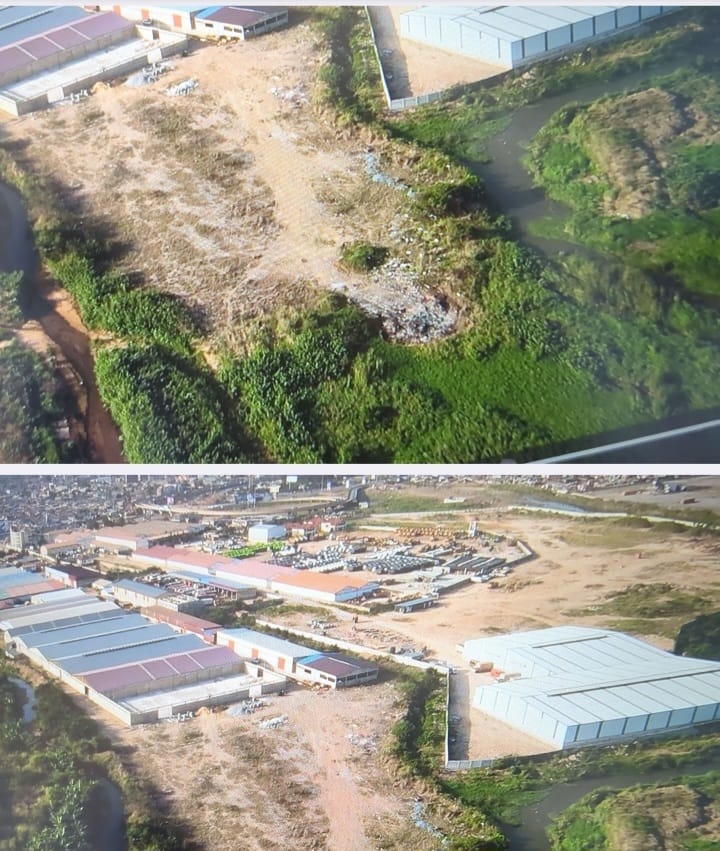
The Weija Dam serves as a critical water supply infrastructure for Accra and surrounding areas, making its safe operation essential for public water security. However, the dam's location upstream of densely populated communities along the Densu River creates significant flood risk during spillage events, particularly in low-lying settlements that have developed in flood-prone zones.
Mr Martey's clarification addresses a longstanding source of confusion and concern among residents, many of whom have questioned the apparent unpredictability of spillage events. For policymakers and water managers, the statement reinforces the need for improved public communication about dam operations and clearer guidelines on emergency preparedness during high-rainfall seasons.
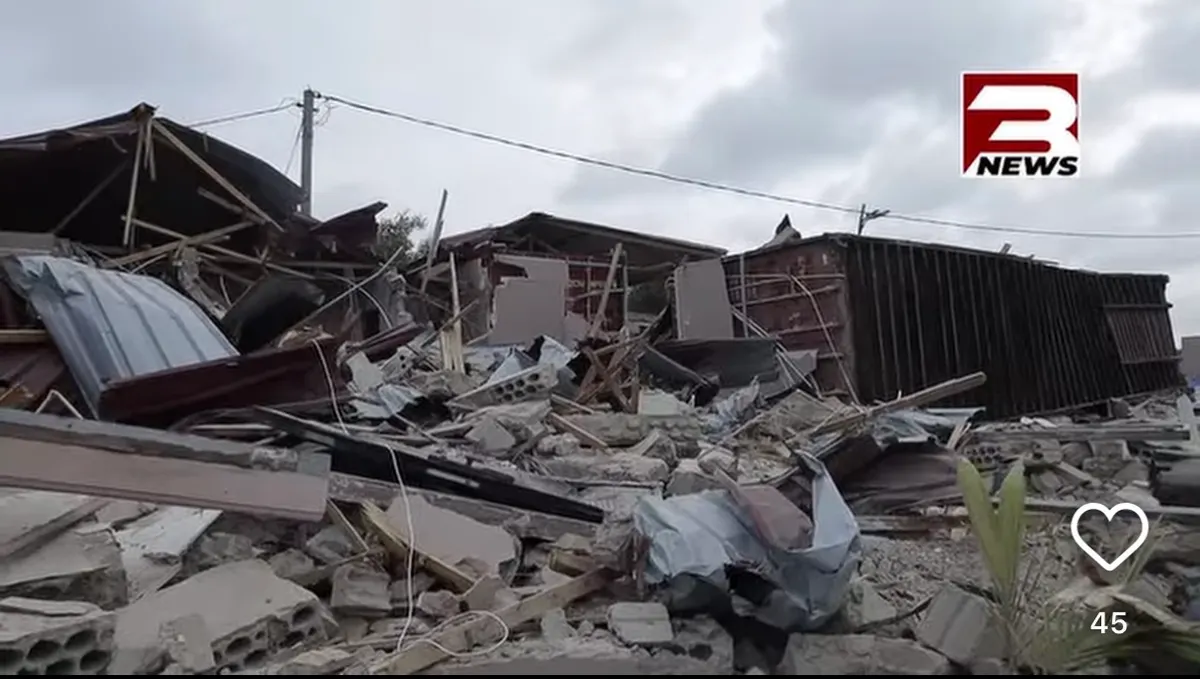
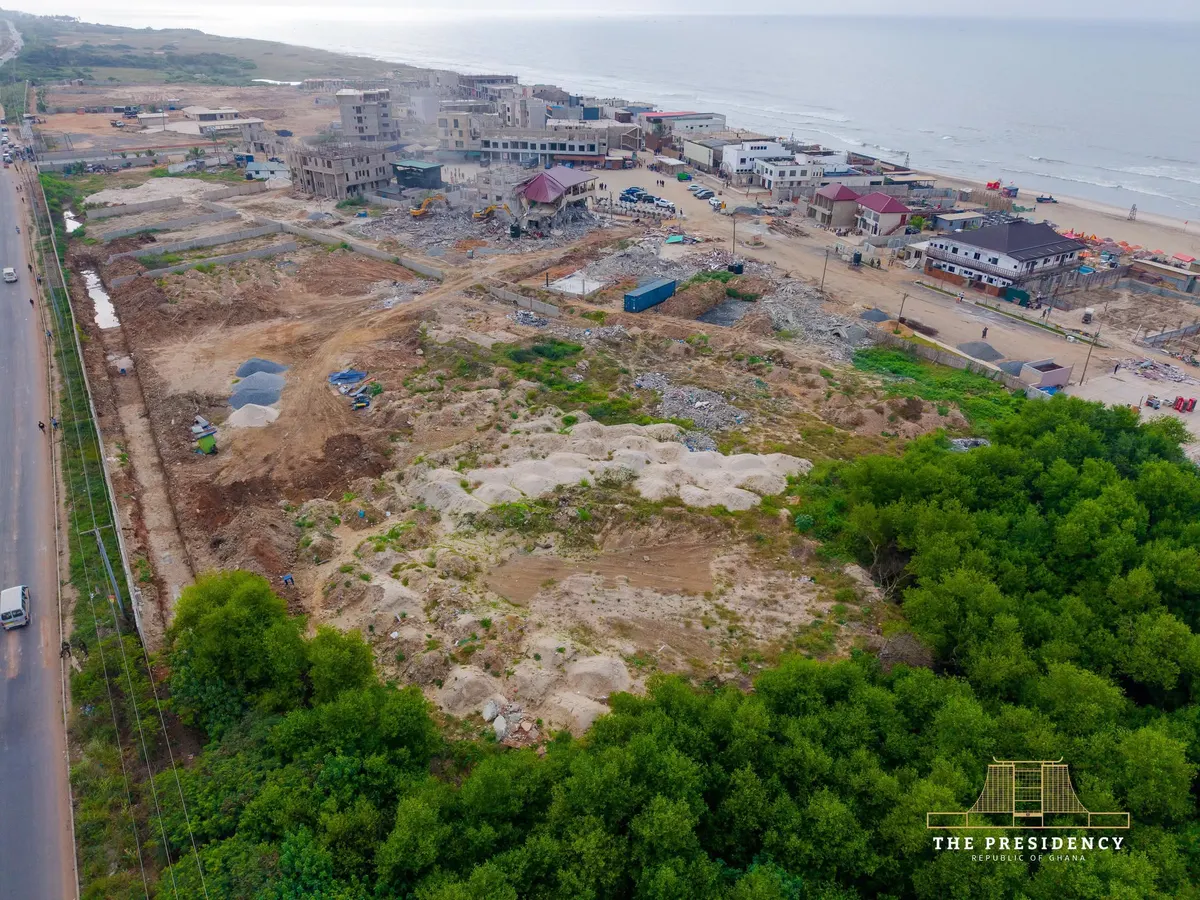
The GWL official also highlighted a critical challenge: residents living in vulnerable areas downstream continue to resist government calls for relocation to safer zones despite repeated warnings. This reluctance increases human exposure to flood risk and complicates disaster management efforts whenever spillage occurs. Mr Martey stressed that ongoing construction and habitation in areas susceptible to water level rises exacerbate the danger when the dam must release excess water.
For Ghana's water and disaster management authorities, this underscores the urgency of combining improved dam communication with stronger enforcement of building restrictions in flood-risk zones. Without addressing both the technical operations side and the settlement patterns downstream, communities will remain vulnerable to spillage-related flooding regardless of how well the dam itself is managed.
Source: MyJoyOnline


Comments (0)
Be the first to comment.