
Government tackles Ghana's flooding crisis with Jimi land reclamation and watercourse rehabilitation

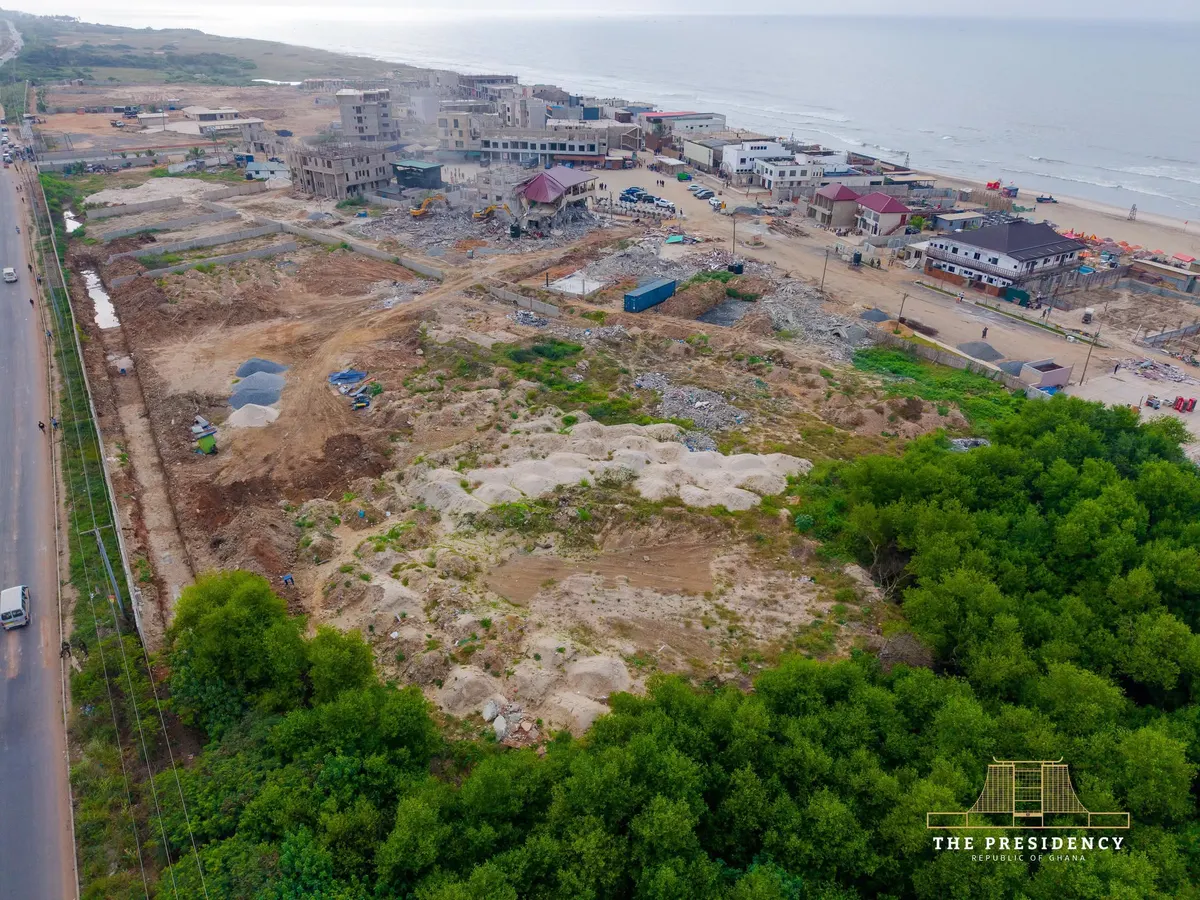
Ghana's recurring flooding challenges may soon see significant relief, as the Ministry of Local Government, Chieftaincy and Religious Affairs pushes forward with two complementary environmental initiatives aimed at transforming how the country manages water and land resources.
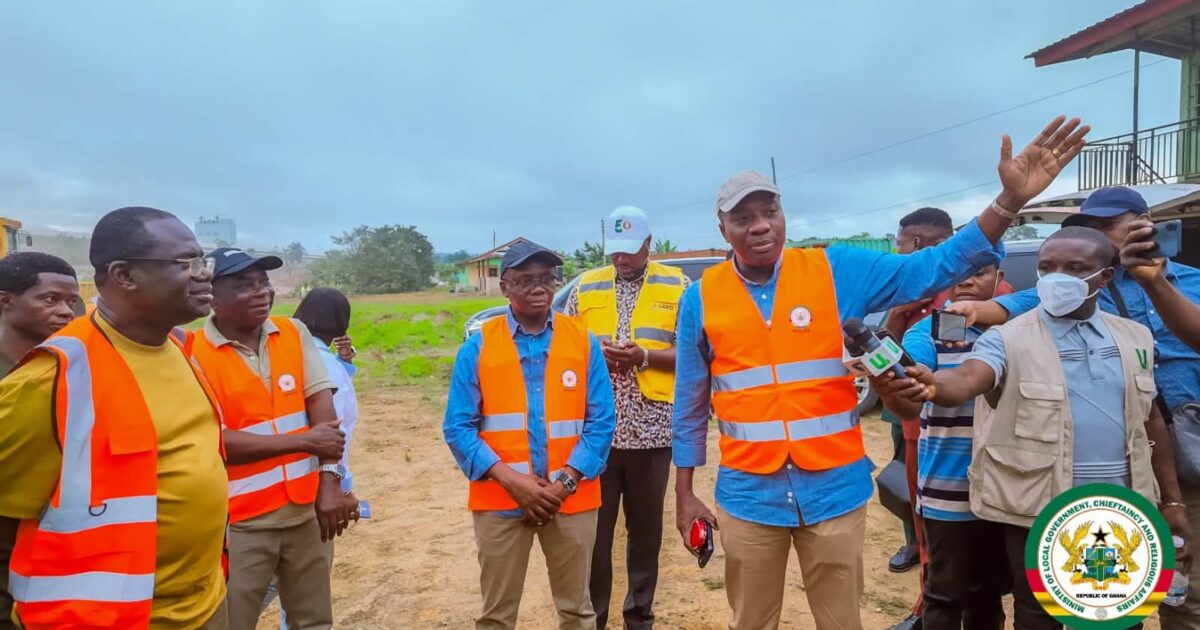
Minister Mahama Ayariga has spotlighted the Jimi Land Reclamation Project and Watercourse Rehabilitation Project as centrepiece interventions in the government's strategy to address the persistent flooding, inadequate drainage systems and land degradation that continue to plague Ghanaian communities.
What the projects aim to achieve
The dual approach targets different but interconnected environmental problems. The land reclamation component focuses on restoring degraded terrain and returning damaged landscapes to productive use, whilst the watercourse rehabilitation initiative prioritises clearing and improving natural water channels to facilitate better water flow through communities and urban areas.
By addressing both soil degradation and drainage capacity simultaneously, the projects seek to create a more resilient environment capable of withstanding heavy rainfall and reducing the waterlogging that devastates homes, infrastructure and livelihoods each rainy season. The initiatives also emphasise environmental sustainability as a core objective, suggesting the government views these interventions as long-term solutions rather than temporary fixes.
Why it matters for Ghana
Flooding remains one of Ghana's most persistent urban and rural challenges. During rainy seasons, communities across Accra, Kumasi, Sekondi-Takoradi and smaller towns experience significant disruptions—roads become impassable, schools close, health facilities struggle to operate, and economic activity halts. Vulnerable populations lose homes and possessions, whilst businesses suffer losses worth millions of cedis annually.
The root causes are multifaceted: rapid urbanisation without adequate drainage planning, blocked and silted watercourses, environmental degradation in upper watersheds, and poor waste management that clogs drainage systems. Government interventions of this scale demonstrate recognition that ad-hoc responses during flood seasons are insufficient. Instead, preventative infrastructure investment targeting watershed health and land restoration offers a pathway to systemic improvement.
For Ghanaians, particularly those in flood-prone areas, these projects represent a tangible commitment to safer living conditions and more predictable rainy seasons. Improved drainage also has spillover benefits: reduced waterlogging protects public health by limiting breeding grounds for disease vectors, preserves road infrastructure, and enables more stable agricultural production in rural areas dependent on predictable water management.
The government's environmental commitment
Minister Ayariga emphasised that the projects reflect broader government policy to prioritise environmental protection and sustainable development. The framing suggests these are not one-off initiatives but part of a larger portfolio of land and water management reforms aimed at benefiting both current and future generations.
For these projects to succeed, however, successful execution will be critical. Community engagement, adequate funding, skilled project management, and maintenance protocols will determine whether the Jimi and watercourse initiatives translate rhetoric into tangible improvements in flood resilience and environmental quality across Ghana's towns and villages.
Source: MyJoyOnline


Comments (0)
Be the first to comment.