
Government mobilises drones and AI to map Agbogbloshie waste crisis ahead of major clearance operation
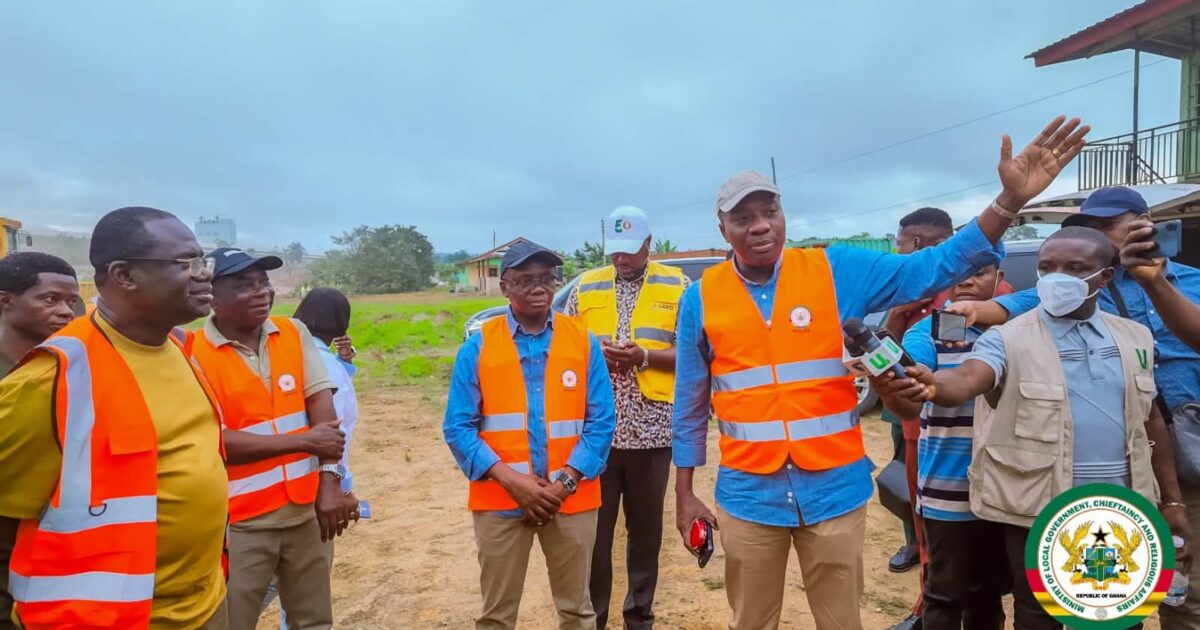

Ghana's government is turning to cutting-edge technology to tackle one of Accra's most persistent environmental challenges. The Local Government Ministry is deploying drones and artificial intelligence to map and measure the massive waste accumulation at Agbogbloshie, a critical first step before launching what officials are calling a national priority cleanup operation.
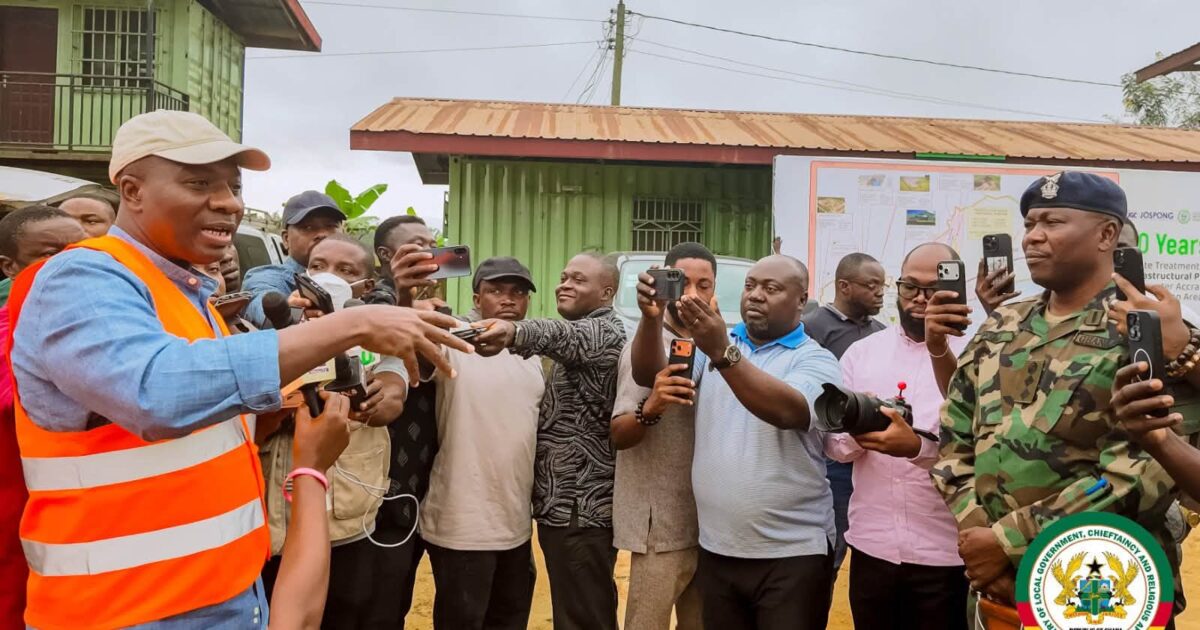
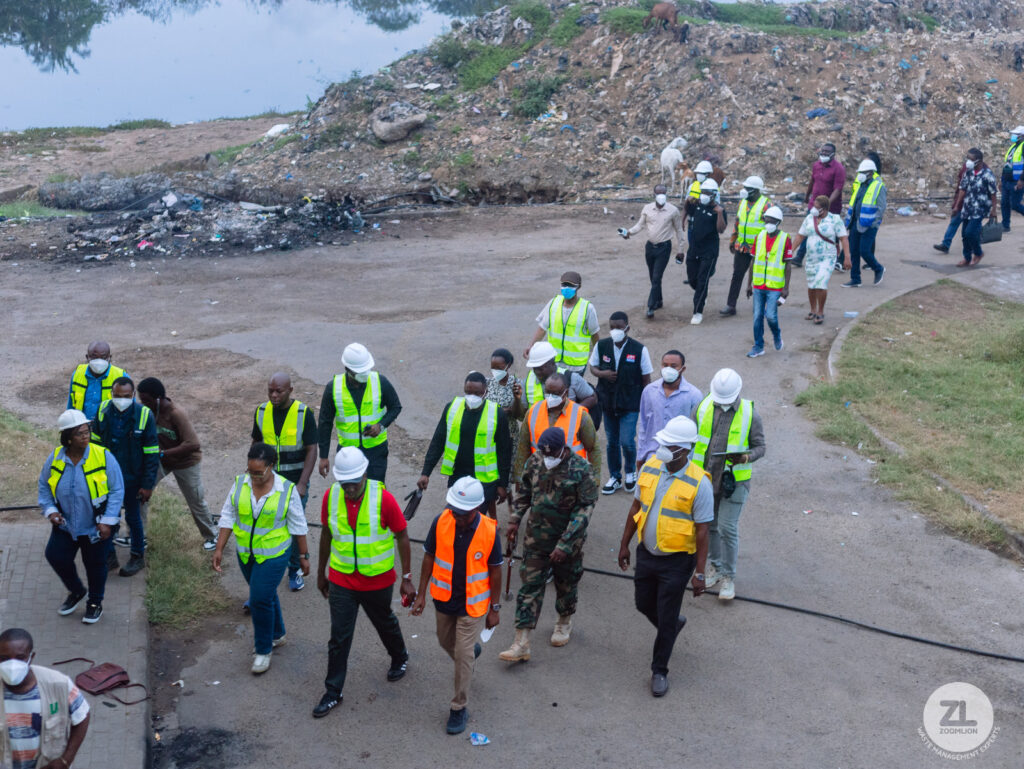
Local Government, Chieftaincy and Religious Affairs Minister Mahama Ayariga has made the issue a cornerstone of his mandate, visiting the site three times during his first week in office. During his most recent visit, he climbed to the summit of the waste heap and estimated its height at approximately 10 storeys — a stark visual illustration of how the problem has spiralled over decades of inadequate waste management.
Scale of the operation
The clearance plan represents an unprecedented mobilisation of state resources. President John Dramani Mahama has directed the Ministries of Local Government, Finance, Roads and Highways, and Defence to jointly develop a comprehensive evacuation strategy. The operation will involve the Ghana Armed Forces, the Jospong Group, private contractors, and dump trucks from Metropolitan, Municipal and District Assemblies — potentially hundreds of vehicles working in concert.
Technical teams are currently using drone surveys and AI mapping to determine the exact volume of waste and calculate the logistical requirements for removal. This data will prove essential for planning transport routes, equipment needs, and workforce allocation. The waste will ultimately be transported to an engineered landfill site off the Nsawam Road, with authorities exploring the possibility of 24-hour operations once final arrangements and presidential approval are secured.
Why it matters for Ghana
Agbogbloshie represents far more than a cosmetic problem for Accra. The waste mountain sits in the heart of the capital and has become a symbol of Ghana's broader waste management challenges. The site poses serious public health risks to nearby residents and workers, many of whom informally salvage materials from the heap. Environmental degradation in one of West Africa's major commercial hubs also carries economic implications, affecting the city's livability and potentially its attractiveness as a business destination.
Minister Ayariga's acknowledgement that the cleanup will cause temporary traffic disruption reveals the scale of the challenge. His appeal to Ghanaians to accept short-term inconvenience for long-term benefit suggests authorities recognise this cannot be a quiet operation — moving hundreds of truck loads of waste through Accra will inevitably create congestion. However, the minister framed this as necessary: allowing citizens to experience the inconvenience of the problem itself may prevent a return to the status quo once clearing is complete.
The deployment of drones and AI also signals a shift towards data-driven decision-making in Ghana's infrastructure and environmental management. Rather than proceeding with estimates, the government is investing in precise measurements to ensure efficient resource allocation — a model that could inform future major civic projects.
Next steps
The real test now lies in execution. Previous attempts to address Agbogbloshie have stalled or proved temporary. This time, coordination across multiple ministries and institutions, coupled with presidential direction, suggests stronger political will. The technical mapping phase will likely take weeks, after which the actual clearance operation could commence.
Success will depend on sustained commitment, adequate funding, and smooth coordination between government agencies, security forces, and private contractors — challenges that have derailed similar initiatives before.
Source: MyJoyOnline


Comments (0)
Be the first to comment.