Mahama pledges end to Agbogbloshie dumping crisis as health fears mount in Accra communities

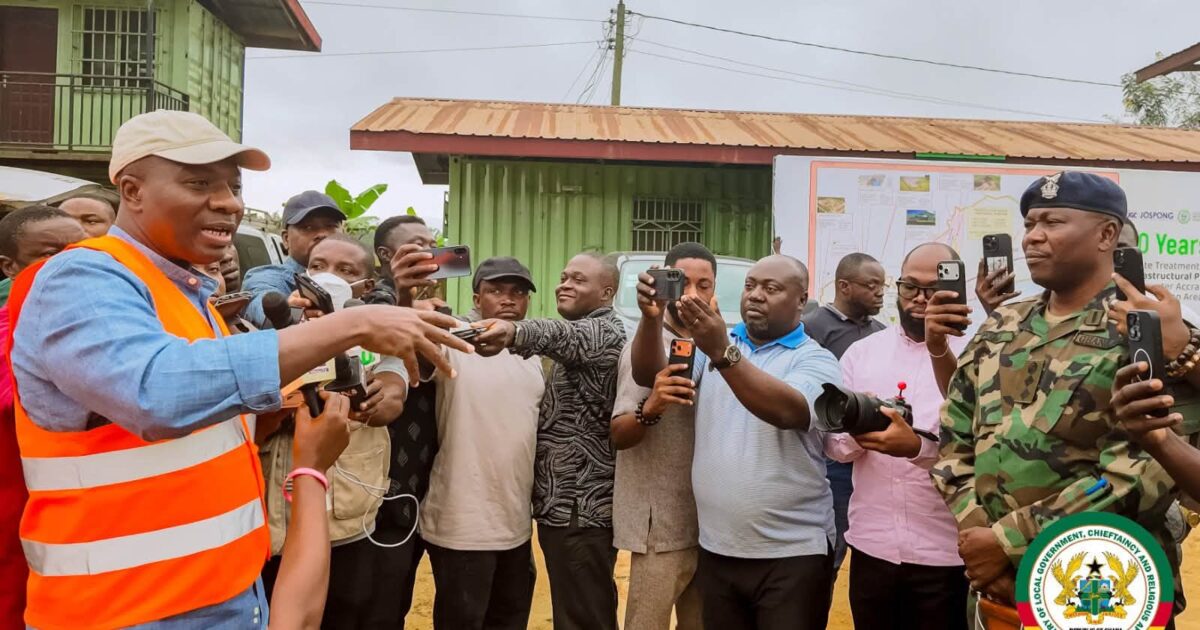
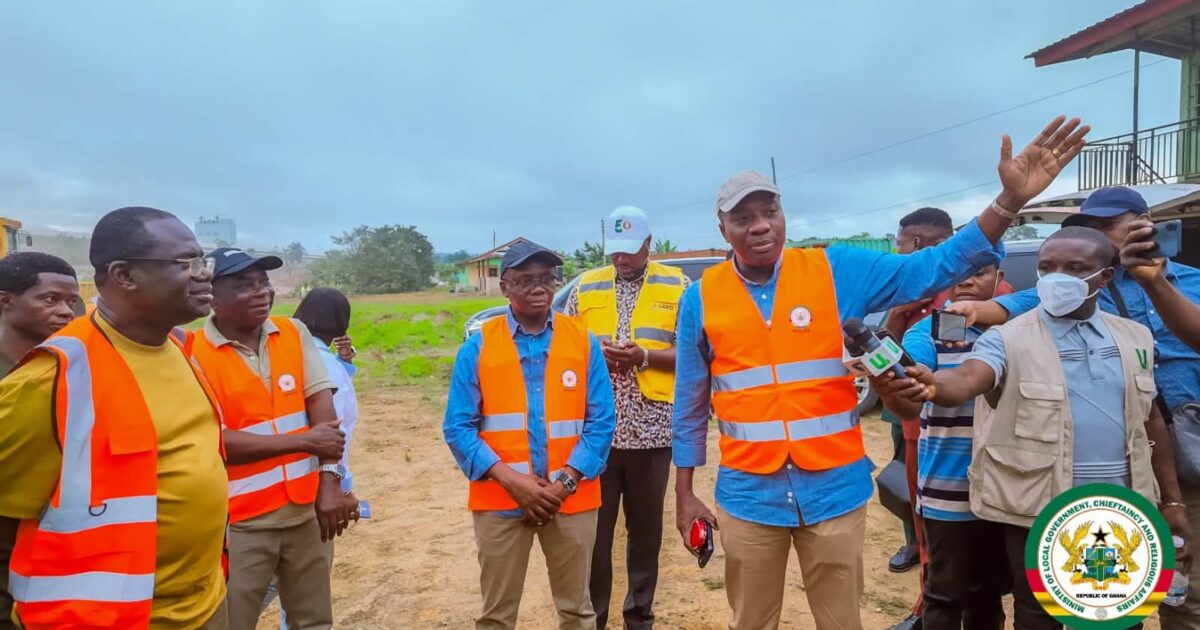
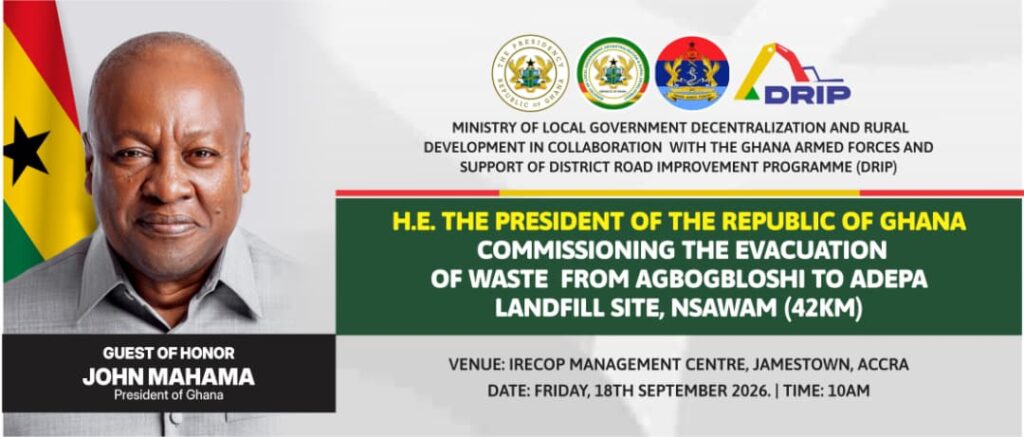
Former President John Dramani Mahama has reinforced commitments to prevent Agbogbloshie from becoming a dumping site again, addressing concerns from residents of Old Fadama, Abossey Okai and neighbouring communities who face daily health hazards from waste management failures.
The pledge comes as thousands of residents in these densely populated Accra neighbourhoods continue to grapple with the consequences of poor waste disposal practices. Families living in Old Fadama and surrounding areas experience direct impacts on air quality, working conditions and the safety of their children's living environments.
The scale of Agbogbloshie's waste crisis
Agbogbloshie has long been one of Ghana's most challenging waste management hotspots. The area, which serves as a hub for informal economic activities including scrap trading and recycling, has historically struggled with indiscriminate dumping. The convergence of commercial activity, dense residential populations and inadequate waste infrastructure has created a perfect storm for environmental degradation.
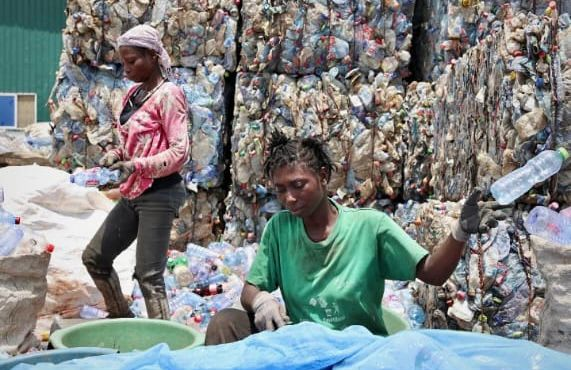
For residents working in the informal sector—traders, artisans and labourers—the conditions are particularly dire. Many spend eight to ten hours daily in environments where waste accumulates, toxic fumes circulate, and sanitation standards remain far below acceptable levels. Children growing up in these areas face respiratory infections, skin conditions and developmental challenges linked to environmental toxins.
Why it matters for Ghana
Agbogbloshie represents a microcosm of Ghana's broader waste management crisis. As Accra's population expands and informal economies flourish, cities across Ghana face similar pressures. The health impacts documented in Old Fadama and Agbogbloshie—respiratory disease, water contamination, occupational hazards—are replicated in Kumasi, Tema, Sekondi-Takoradi and other urban centres.
Political commitments to rehabilitate these spaces carry weight beyond environmental concerns. They signal willingness to address inequalities that disproportionately affect poor urban communities. Residents of Old Fadama and Abossey Okai have limited political voice compared to more affluent neighbourhoods; pledges to restore their environment acknowledge their dignity and right to healthy living conditions.
Additionally, waste management failures create downstream costs. Healthcare systems absorb treatment for pollution-related illnesses. Lost productivity from illness affects Ghana's economic output. Environmental degradation reduces property values and investment potential in affected areas.
Implementation challenges ahead
Converting political pledges into sustained action requires addressing systemic barriers. These include securing adequate funding for waste collection and treatment infrastructure, enforcing regulations against illegal dumping, engaging informal waste workers in formalised collection systems, and ensuring community participation in oversight.
Previous rehabilitation efforts at Agbogbloshie have faced implementation delays, insufficient resources, and inadequate coordination between Accra Metropolitan Assembly, waste management companies and residents. Success will depend on whether current commitments translate into ring-fenced budgets, clear timelines and accountability mechanisms.
The residents of Old Fadama, Agbogbloshie and Abossey Okai deserve more than rhetoric. They need consistent action that restores their environment, protects their health, and affirms that even the most marginalised communities in Ghana's cities merit dignified living standards.
Source: 3News
Comments (0)
Be the first to comment.