Government launches restoration project at Kpeshie Lagoon following illegal structures clearance
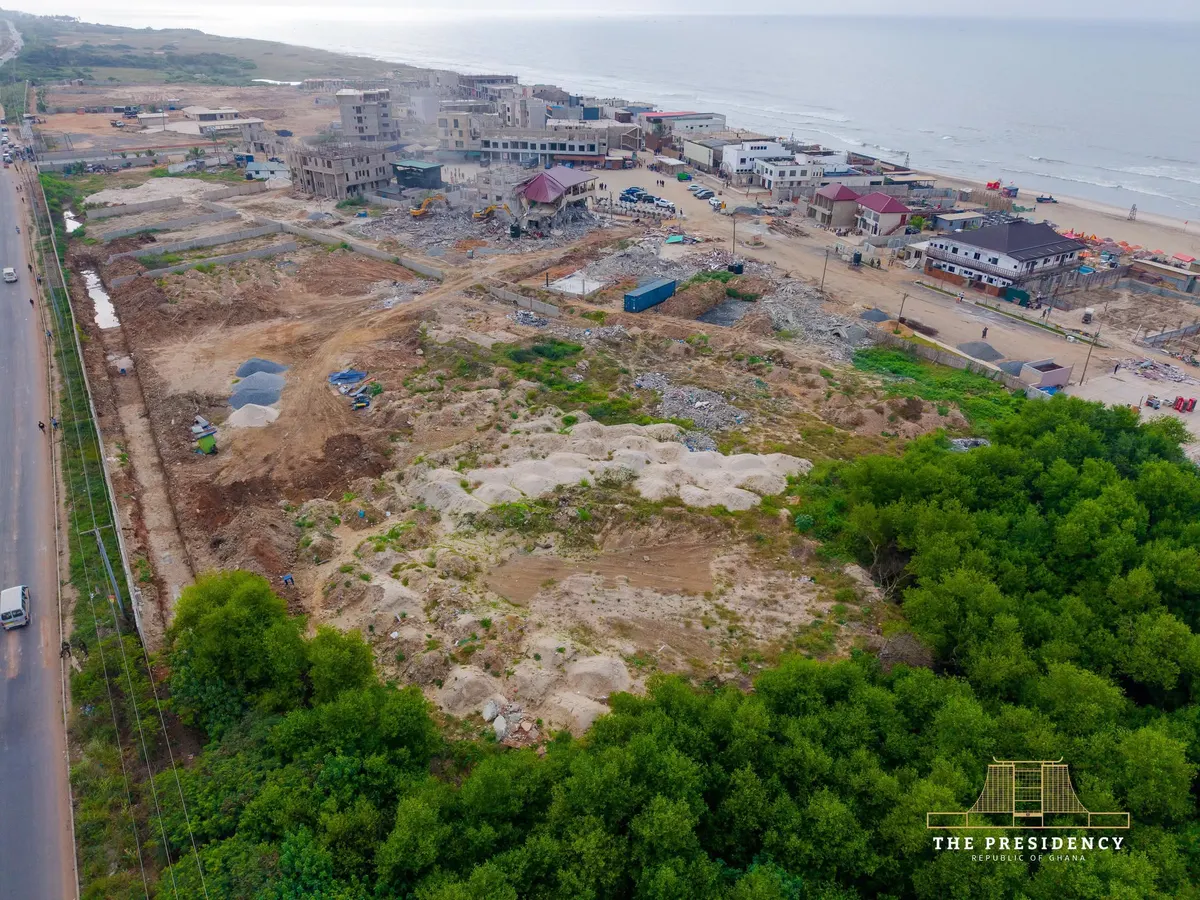
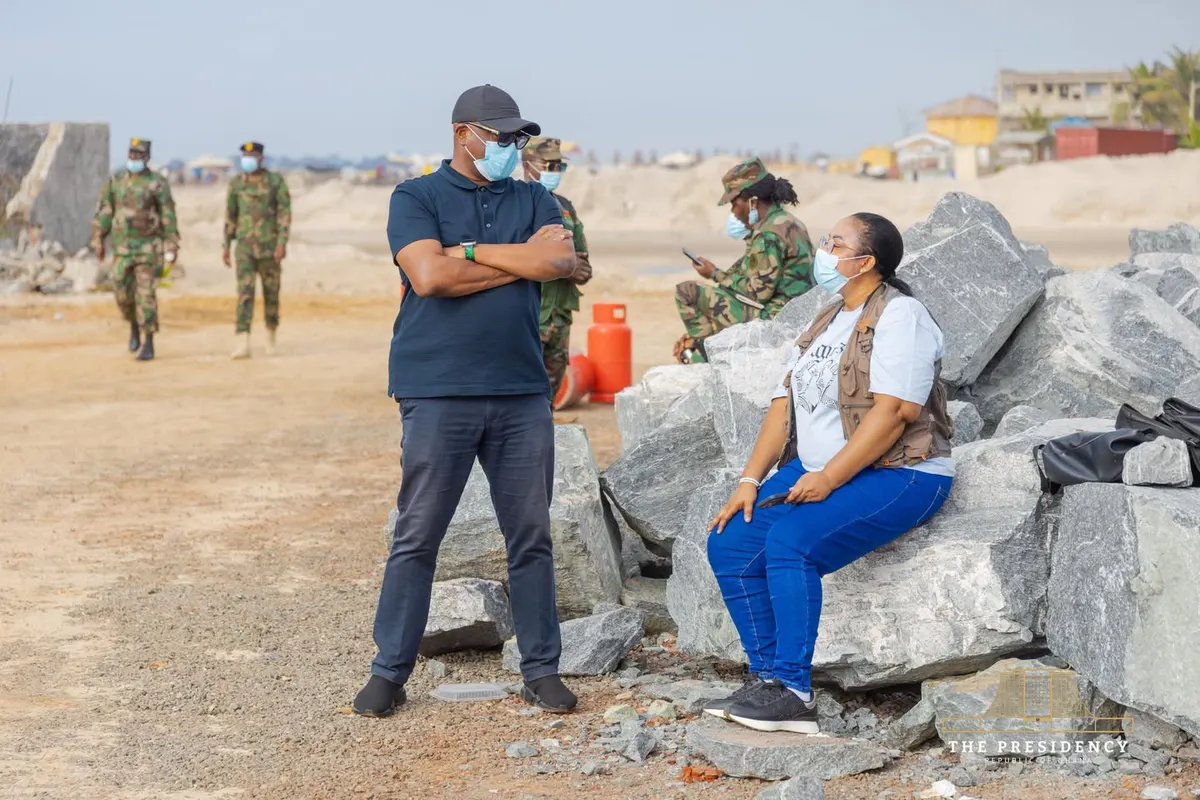
The Government of Ghana has initiated a comprehensive restoration programme at Kpeshie Lagoon following the removal of illegal structures from the water body. Deputy Chief of Staff Stan Dogbe has directed multiple agencies, including the Ghana Ports and Harbours Authority (GARCC), the Environmental Protection Agency (EPA), and the military, to undertake dredging operations and large-scale tree planting to rehabilitate the lagoon's ecosystem and strengthen its role as a natural flood barrier.
The restoration effort underway
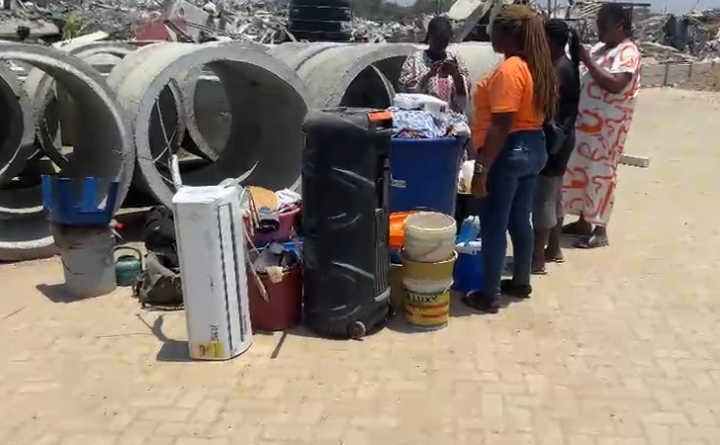
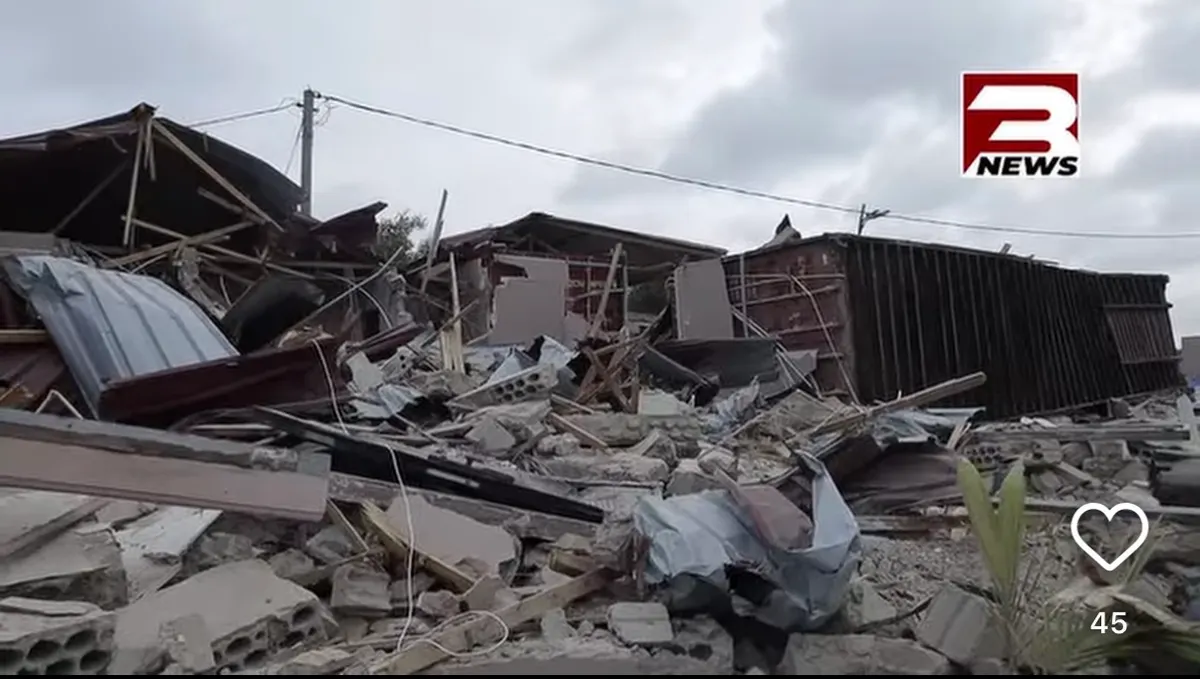
The project involves clearing debris left behind after illegal structures were demolished, with dredging operations aimed at restoring the lagoon's depth and water-holding capacity. Tree-planting initiatives will follow, intended to stabilise banks and prevent further soil erosion. The coordinated involvement of multiple government agencies signals the scale of the restoration undertaking and reflects the priority being placed on returning the lagoon to a functional state that can better manage seasonal flooding in surrounding communities.
This restoration work represents a shift from years of encroachment and neglect at the lagoon, which sits in a densely populated area of Greater Accra. The clearance of illegal structures is the first phase of what officials describe as a broader environmental rehabilitation plan.
Why it matters for Ghana
Kpeshie Lagoon serves as a critical natural infrastructure asset for flood management in Accra and surrounding areas. Over years, illegal settlement and industrial activities have degraded the lagoon, reducing its ability to absorb and retain excess water during heavy rainfall. This degradation has directly contributed to increased flooding in nearby communities, affecting livelihoods and infrastructure.
The restoration project addresses a persistent governance challenge: preventing illegal encroachment on protected water bodies and wetlands. Ghana's wetlands and lagoons face mounting pressure from urbanisation, with communities settling in flood-prone areas due to housing shortages and limited enforcement of environmental regulations. The Kpeshie project sets a precedent for reclaiming degraded ecosystems, though its long-term success will depend on sustained enforcement to prevent renewed illegal occupation.
Beyond flood management, healthy lagoons support local fisheries and provide livelihoods for fishing communities. Restoration efforts could also support biodiversity and improve water quality, benefiting both ecological and economic interests in the region.
Next steps and enforcement
Following the dredging and tree-planting phases, the focus will shift to prevention of future illegal structures. Maintaining the restored lagoon will require ongoing coordination between environmental agencies and local authorities, alongside community engagement to ensure residents understand the importance of protecting the water body.
The Government's decision to mobilise military and port authority resources alongside the EPA suggests a determination to make the restoration permanent, though analysts will watch closely to see whether enforcement mechanisms are strengthened to keep illegal settlers from returning.
Source: 3News

Comments (0)
Be the first to comment.