Laboma Beach Resort demolition: hundreds lose homes and livelihoods as Accra clears lagoon buffer zone
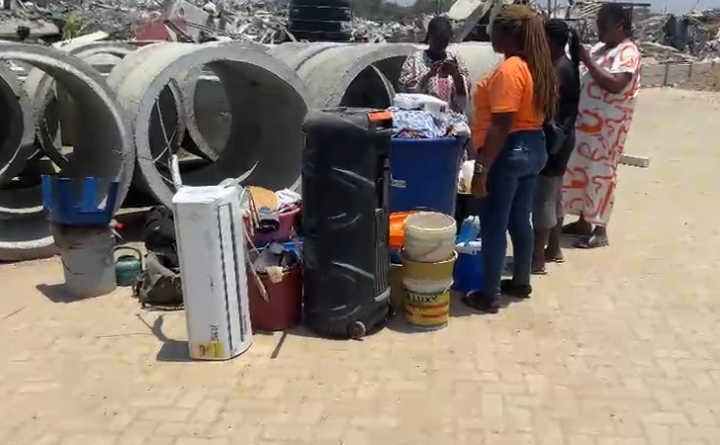
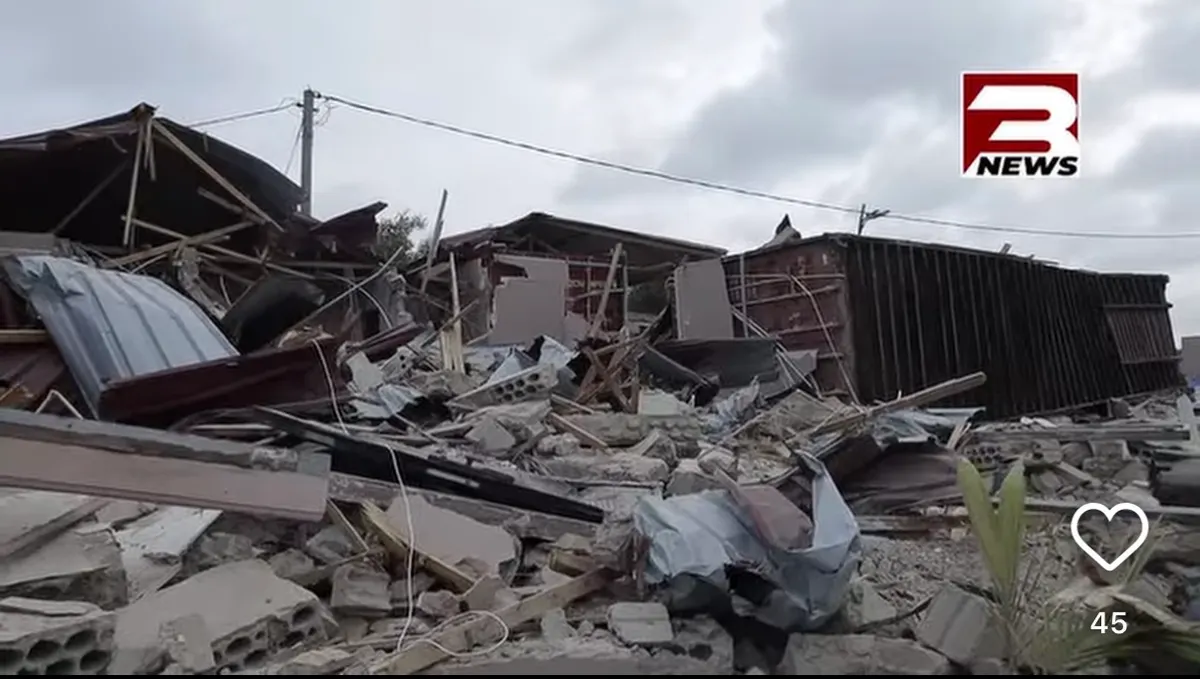
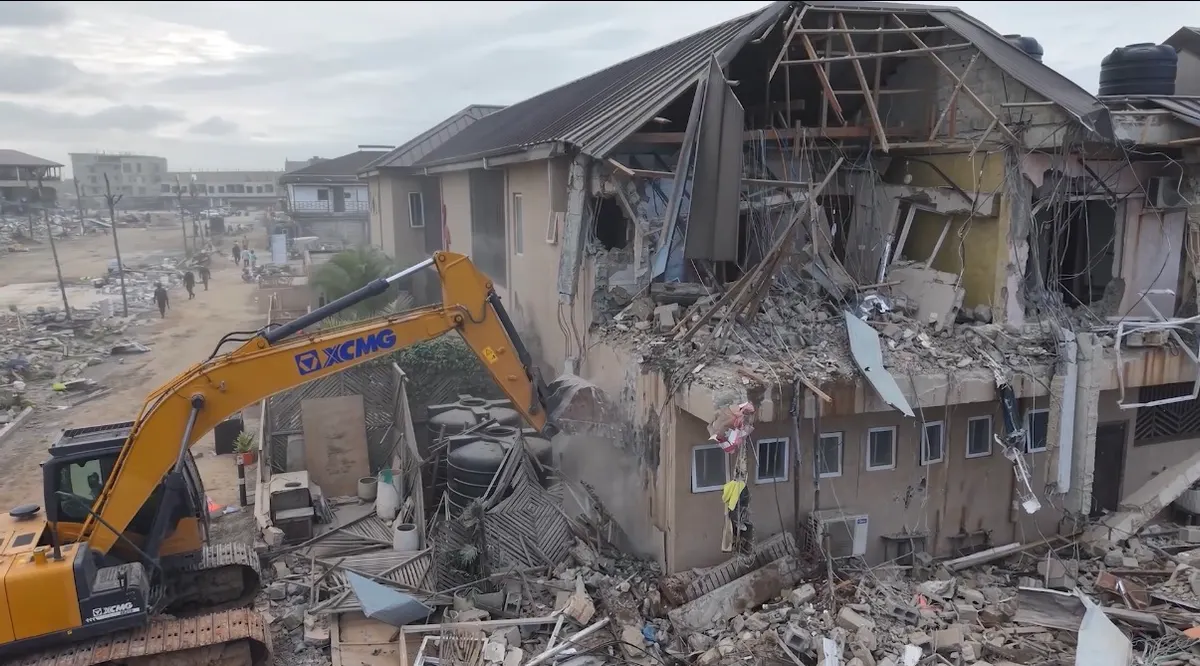
Tension and desperation have gripped Laboma Beach Resort in Accra as a government demolition exercise to reclaim the Kpeshie Lagoon's protected buffer zone continues its relentless sweep through the area. Business owners and residents are racing against time to pack up their belongings, furniture and personal items as bulldozers and demolition crews advance, forcing occupants to vacate before their structures are razed to the ground.
The exercise, authorised by the Greater Accra Regional Security Council (REGSEC), follows a 21-day evacuation notice issued on 7 August, ordering all occupants within the lagoon's buffer zone to clear the area. According to authorities, the demolition is necessary to reclaim the protected wetland, remove unauthorised structures and mitigate recurring flooding incidents that have plagued parts of Greater Accra in recent years.
Livelihoods at stake
However, the human cost of the exercise has become increasingly apparent. Business owners who have invested substantial capital into their enterprises now face the prospect of losing their investments entirely. Daniel M. K. Okpoti, the Director of Laboma, has become a vocal critic of the demolition, warning that the exercise threatens more than 3,000 jobs directly dependent on businesses operating at the resort.
In an appeal to government, Okpoti characterised the demolition as "really disturbing" and urged authorities to explore alternative solutions that would address lagoon protection and flooding concerns without destroying livelihoods and businesses. His pleas, however, appear to have had limited impact as demolition crews continue their work.
Affected business owners have expressed their frustration openly, pointing out that many have spent years building their enterprises and establishing themselves in the tourism and hospitality sector. The sudden and rapid nature of the evacuation has left many scrambling to find alternative locations or sources of income.
Why it matters for Ghana
The Laboma demolition reflects a broader tension in Ghana's urban development and environmental management strategy. Wetlands like the Kpeshie Lagoon play a critical ecological role in water filtration, flood prevention and biodiversity conservation. Greater Accra, Ghana's capital, has experienced increasingly severe flooding during heavy rains, particularly in low-lying areas, leading authorities to prioritise environmental restoration.
Yet the exercise also highlights the challenge of balancing environmental protection with economic livelihood concerns. Many informal and formal businesses have developed in protected zones over years, often with tacit approval or insufficient enforcement. When authorities eventually enforce environmental regulations, it frequently comes as a shock to business operators and residents who have no alternative arrangements in place.
The demolition also raises questions about how government can better plan urban growth, communicate environmental policies clearly and, where necessary, provide transition support to affected communities. Ghana's rapid urbanisation continues to put pressure on limited green spaces and wetlands, and similar tensions are likely to emerge in other parts of the country as environmental enforcement tightens.
As the demolition continues at Laboma, the affected community remains in a state of uncertainty, with business owners and residents left with few options beyond evacuation and the difficult task of rebuilding elsewhere.
Source: MyJoyOnline


Comments (0)
Be the first to comment.