Government Orders Major Wetland Restoration After Kpeshie Lagoon Demolition Drive
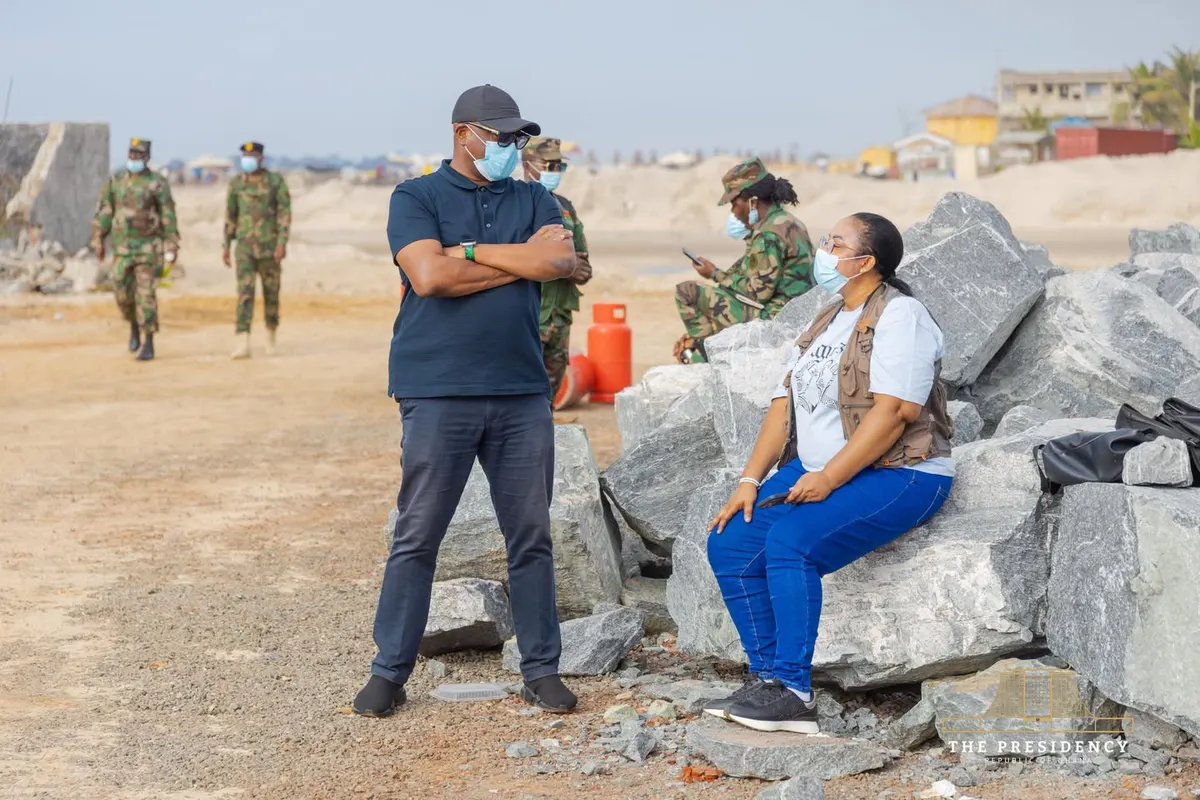
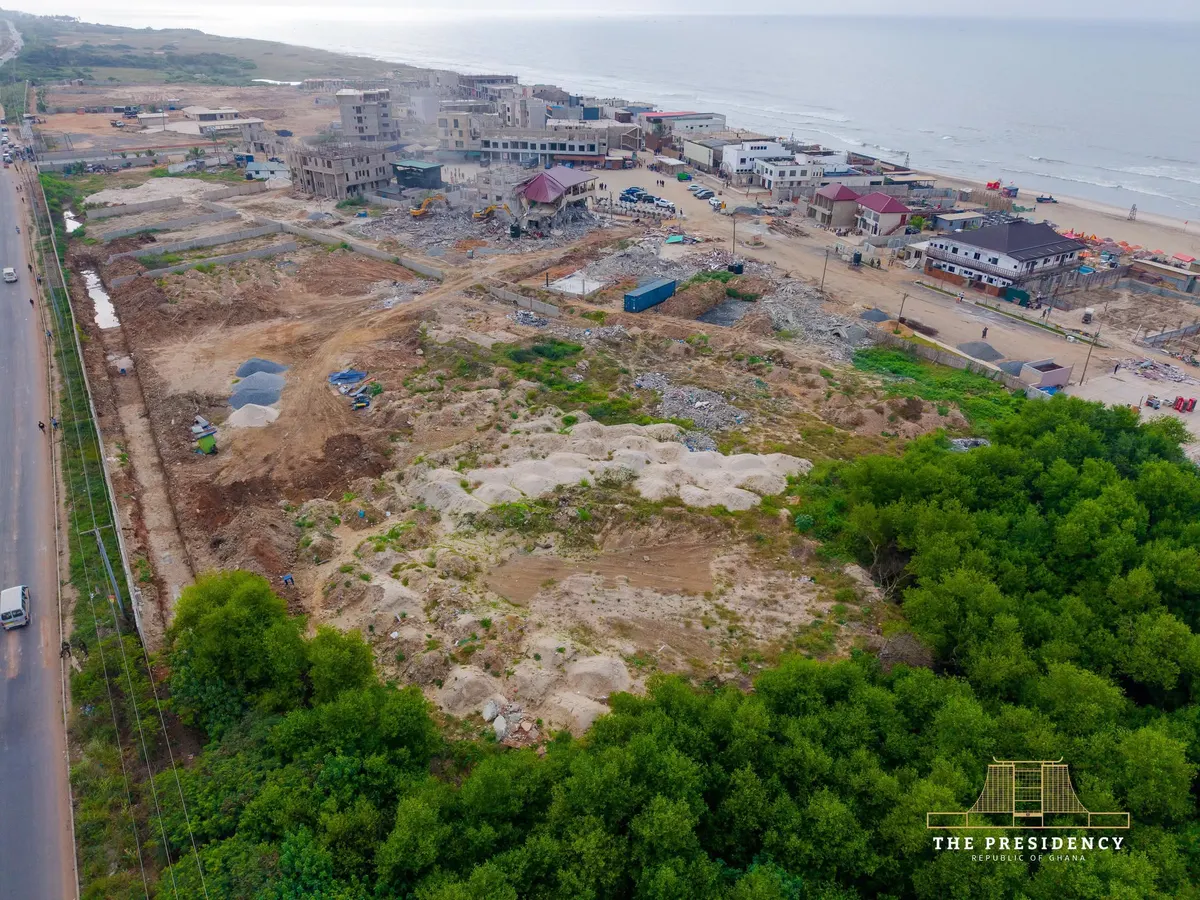
Ghana's Deputy Chief of Staff has ordered a comprehensive wetland rehabilitation programme at Kpeshie Lagoon following the recent demolition of illegal structures in the Laboma area. The directive signals a significant shift towards combining infrastructure enforcement with environmental restoration, addressing both urban development pressures and climate resilience in one of Accra's most vulnerable zones.
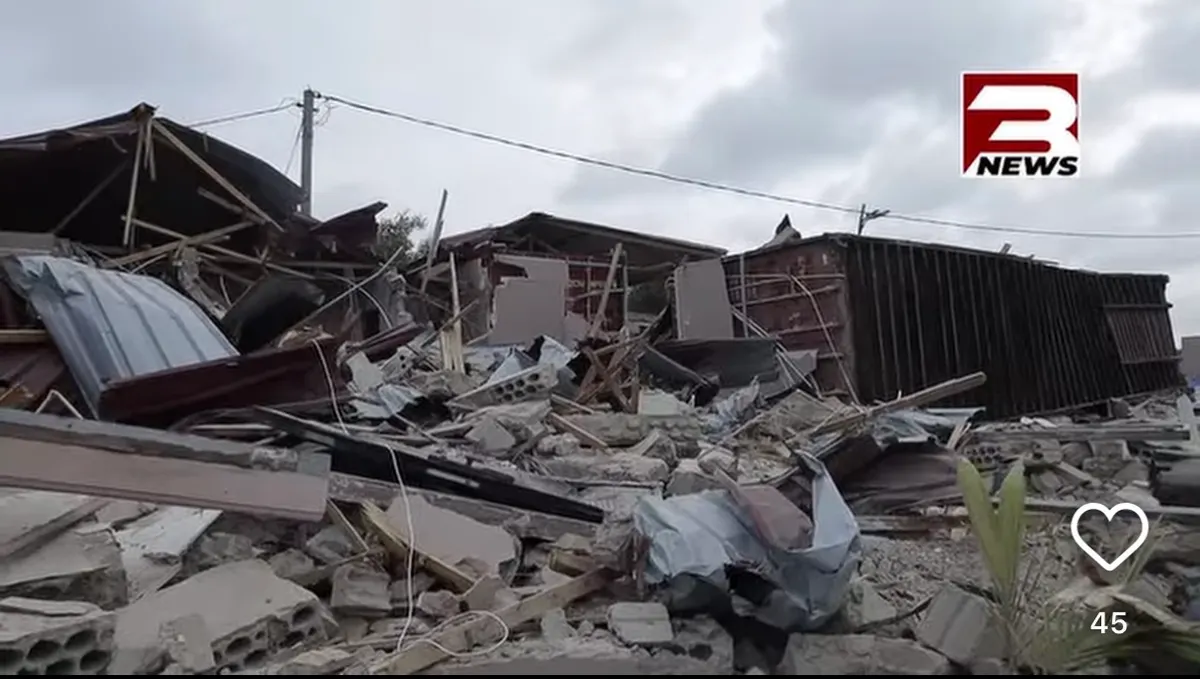
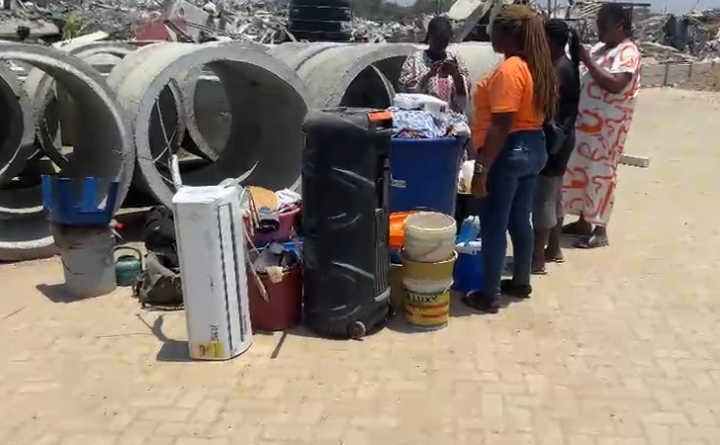
The Kpeshie Lagoon area, located in Greater Accra, has long struggled with competing pressures: encroachment by informal settlements, commercial activity, and degradation of the wetland ecosystem. The latest clearance operation removed structures that had been built illegally within the lagoon zone, with authorities now moving beyond mere demolition to active ecological recovery.
Restoration Plan and Environmental Goals
The rehabilitation initiative encompasses ecological restoration of the wetland environment alongside a tree-planting campaign designed to stabilise banks and improve water management. Wetlands serve as natural sponges during heavy rainfall, absorbing excess water and reducing downstream flooding—a critical function given Accra's recurring flood problems during the rainy season.
By restoring vegetation cover and natural wetland functions, the project aims to enhance the lagoon's capacity to moderate water flow and provide a buffer against the intense storms that increasingly affect the city. This approach aligns with growing international recognition that nature-based solutions offer cost-effective alternatives to purely engineered flood defences.
Why It Matters for Ghana
This intervention highlights a broader challenge facing Ghana's rapidly urbanising cities. Wetlands and other natural buffers are frequently occupied by those seeking affordable land, creating a tension between immediate housing needs and long-term environmental and safety outcomes. Accra has experienced devastating floods in recent years, with lives lost and livelihoods disrupted.
The Deputy Chief of Staff's direction to pair enforcement action with restoration suggests an acknowledgment that sustainable urban management requires both clearing encroachments and actively repairing the damaged ecosystem. Successful implementation could establish a model for other degraded wetland sites across Ghana's urban centres.
However, the real test will lie in execution. Restoration projects require sustained funding, technical expertise, and ongoing management. Without proper maintenance and protection of the rehabilitated area, the gains could be quickly reversed by renewed encroachment or inadequate water management during peak rainfall periods.
Broader Implications for Accra's Climate Resilience
Climate change is intensifying rainfall patterns across West Africa, making Ghana's coastal and low-lying urban areas increasingly vulnerable to flooding. Accra, home to over 4 million people and the economic heart of the nation, cannot afford degraded natural infrastructure. Every functional wetland, river buffer, and mangrove forest represents critical protection for communities and infrastructure.
The government's investment in Kpeshie Lagoon rehabilitation is therefore part of a wider survival imperative. Success here will likely inform similar interventions at other critical wetland sites, whilst failure to maintain the restored ecosystem could vindicate critics who argue that demolition-only approaches ultimately fail without environmental management.
Stakeholders, including residents of surrounding communities, local authorities, and environmental organisations, will be watching closely to see whether this commitment translates into sustained, well-resourced action or remains a one-off gesture.
Source: 3News

Comments (0)
Be the first to comment.