
Petrol to jump 5% from September as COPEC projects GH¢16.21 per litre despite cedi gains
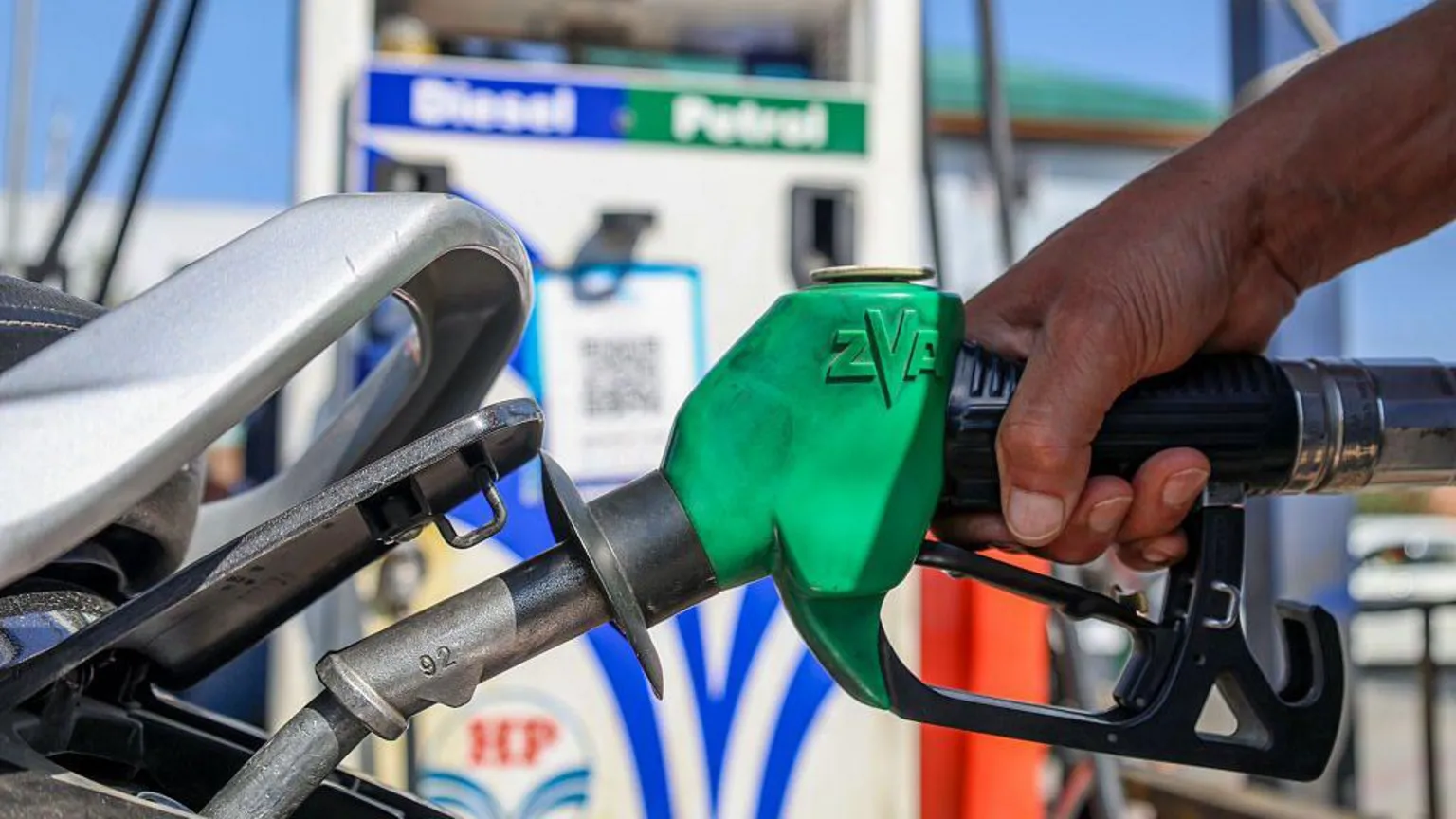
Ghanaian motorists face another round of pump price increases from Tuesday, 1 September 2026, as the Chamber of Petroleum Consumers Ghana (COPEC) projects petrol prices will climb to approximately GH¢16.21 per litre—a 5% jump from the current average of GH¢15.43. Diesel and liquefied petroleum gas (LPG) are also expected to rise, adding to transport and household energy costs for millions of Ghanaians.
The price hikes come despite two factors that typically ease fuel costs: global crude oil prices dipped slightly from $90.41 to $89.30 per barrel during the current pricing window, and the Ghana cedi appreciated roughly 2.39% against the US dollar, moving from GH¢11.800 to GH¢11.5166 per dollar. Yet these gains are being overwhelmed by changes in international refined petroleum product pricing, COPEC's analysis reveals.
What the new prices will look like
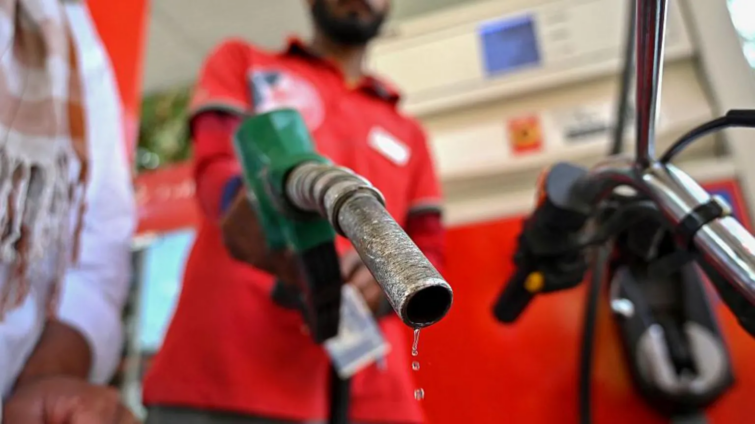
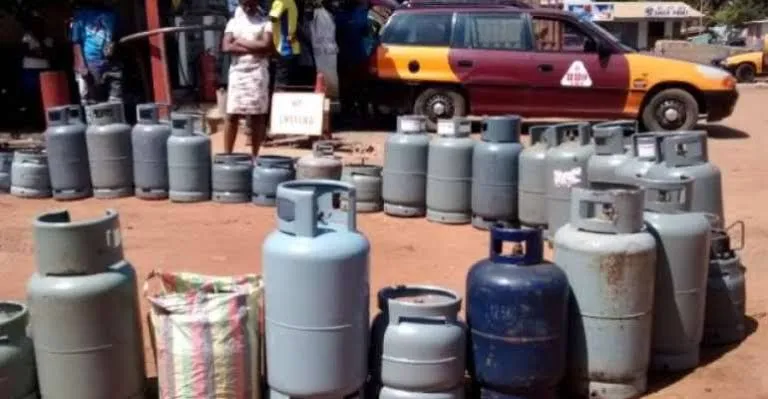
From next month, Ghanaians can expect to pay significantly more at fuel pumps across the country. Petrol is projected at GH¢16.21 per litre, whilst diesel will climb to around GH¢17.61 per litre—a 2.58% increase from the current mean price of GH¢17.17. LPG, which many households rely on for cooking, is forecast to reach approximately GH¢14.19 per kilogramme, marking a modest but still noticeable increase.
These projections represent the average prices COPEC anticipates, but individual oil marketing companies retain the flexibility to set their own retail prices within market conditions. This means actual prices at the pumps may vary slightly depending on the operator and location.
Why it matters for Ghana
Fuel price increases have a cascading effect across Ghana's economy. Higher petrol and diesel costs directly impact transport operators, who typically pass increases to passengers through higher fares. This ripple effect reaches consumers at markets, shops and restaurants as businesses adjust prices to offset rising logistics costs. For households already managing cost-of-living pressures, higher LPG prices add another burden to monthly budgets, particularly affecting those who depend on gas for cooking.
The timing is significant: as Ghana enters the latter part of 2026, the cumulative effect of multiple fuel price adjustments throughout the year may strain household finances and business profitability. Small-scale traders, transporters and logistics operators—critical to Ghana's informal economy—are particularly vulnerable to such volatility.
The cedi's recent appreciation against the dollar, whilst encouraging as a sign of currency stability, has not been sufficient to offset the international price movements driving these increases. This underscores how exposed Ghana remains to global petroleum market fluctuations, a vulnerability the country continues to grapple with despite efforts to diversify energy sources and reduce fuel import dependency.
Looking ahead
COPEC's projections are based on current international market trends and exchange rates, meaning actual prices could shift if global crude oil prices move significantly or if the cedi's performance against the dollar changes materially before September 1. Ghanaians are advised to monitor official announcements from oil marketing companies and the Energy Ministry for final confirmation of pump prices when the new window takes effect.
Source: MyJoyOnline
Comments (0)
Be the first to comment.