
LPG prices set to surge 18.5% from mid-October as fuel costs decline
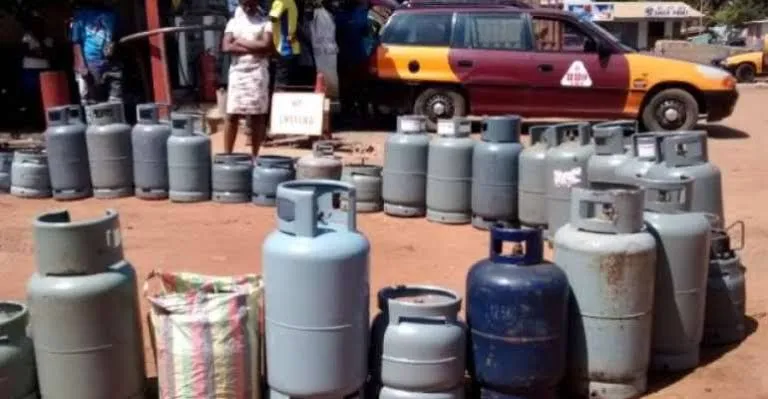
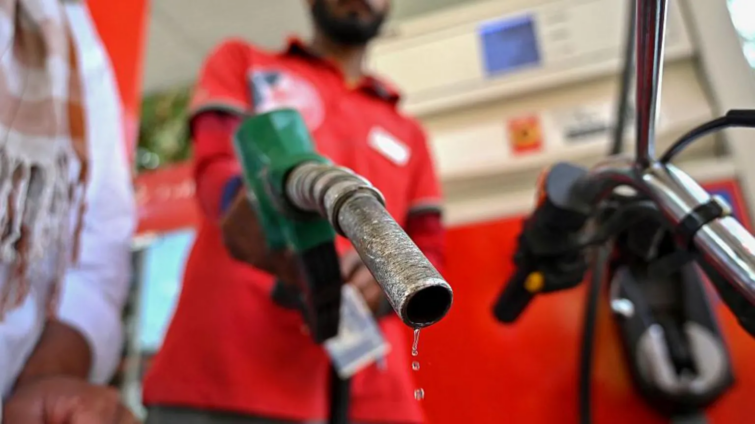
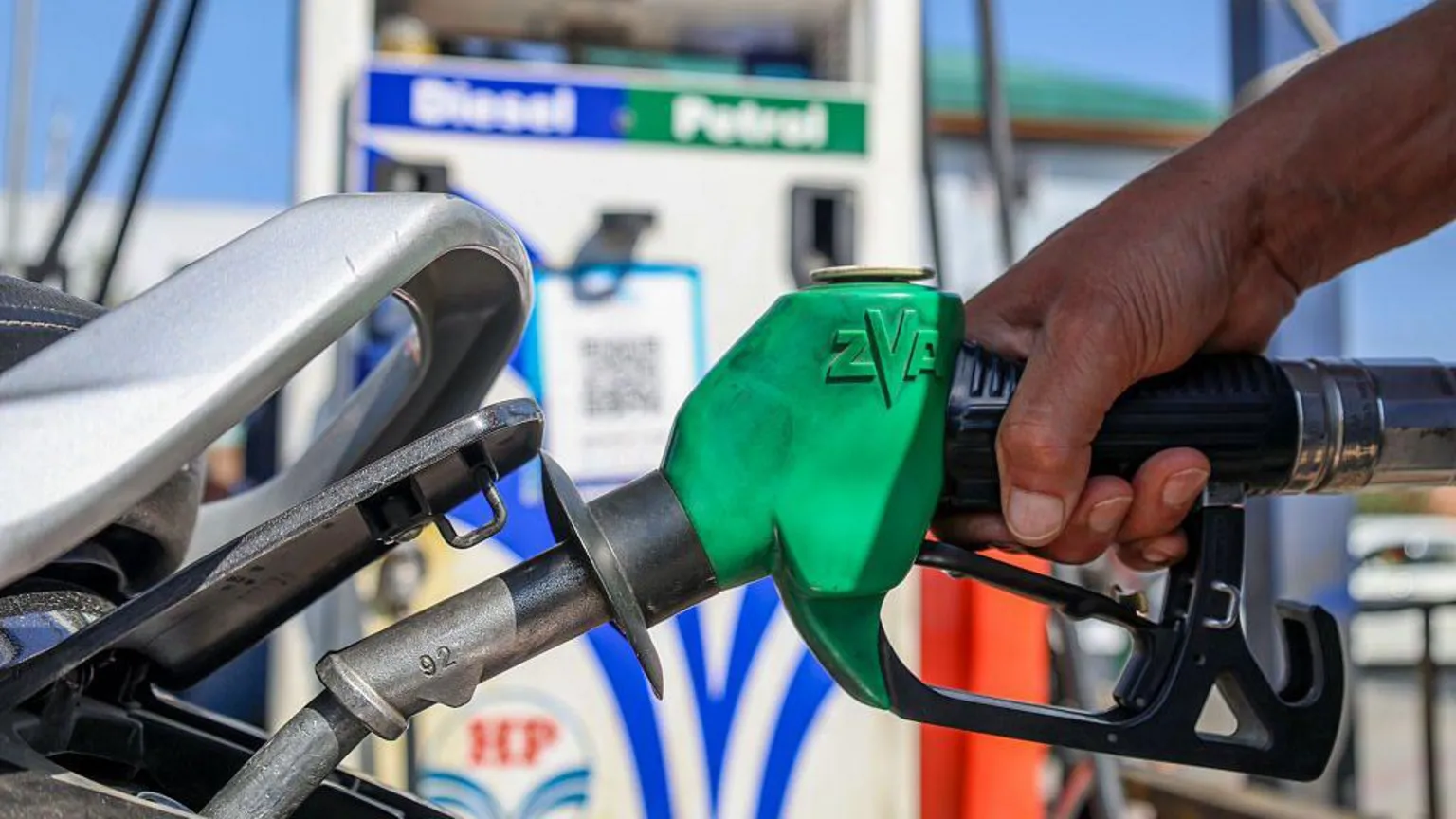
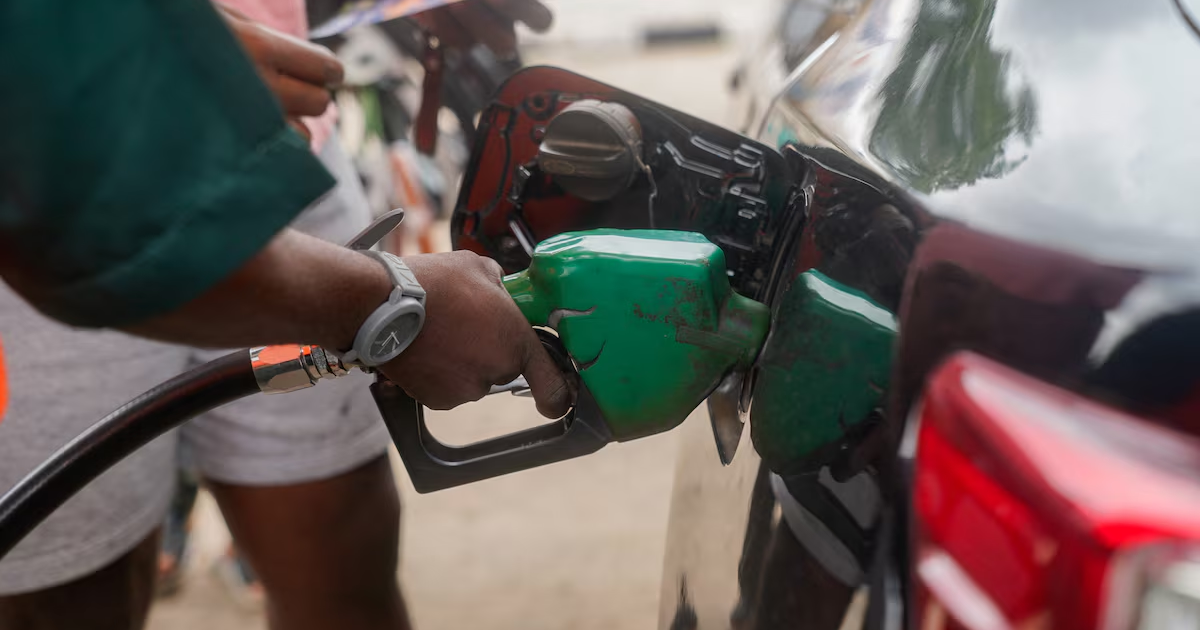
Ghanaian consumers will see cooking gas prices climb sharply by up to 18.5 per cent from October 16, 2026, according to projections from the Chamber of Petroleum Consumers (COPEC). The increase comes as a relief for motorists, whose petrol and diesel costs are expected to decline during the same period.
The divergence in fuel price movements highlights the different supply and demand dynamics affecting these energy commodities in Ghana's market. Whilst the energy sector experiences fluctuating global pressures, households dependent on liquefied petroleum gas (LPG) for cooking will face a notably heavier financial burden heading into the final quarter of the year.
Impact on household budgets
The projected 18.5 per cent rise in LPG prices will significantly affect millions of Ghanaian households that rely on cooking gas for meal preparation. For families already managing tight household budgets, this increase represents a meaningful jump in monthly utility costs. A substantial price hike of this magnitude could prompt consumers to explore alternative cooking methods or seek ways to reduce energy consumption in the kitchen.
The timing of the increase—occurring in October—means households will face elevated cooking gas costs during a period when many are preparing for year-end festivities and celebrations, potentially straining family budgets further. Small-scale food vendors and restaurants that depend heavily on LPG for their operations will also feel the pinch, with the additional cost burden likely to translate into higher prices for consumers purchasing prepared meals.
Mixed fortunes in the fuel sector
Whilst LPG consumers face hardship, the projected easing of petrol and diesel prices offers some relief to the transport and logistics sectors. Lower fuel costs could potentially reduce operational expenses for commercial drivers, haulage companies, and public transport operators. This development may eventually benefit consumers through potentially lower transportation costs and reduced prices for goods and services that depend on fuel-intensive delivery systems.
However, the relief for motorists may be offset by increased costs for cooking and heating, meaning the net impact on household purchasing power across Ghana remains mixed. Business operators in the food and hospitality sectors may see savings in fuel costs offset by higher LPG expenses for cooking.
Why it matters for Ghana
Energy price movements directly affect the cost of living for ordinary Ghanaians and influence inflation rates across the economy. The Chamber of Petroleum Consumers' projections are closely watched by policymakers, business leaders, and consumers planning their budgets. When LPG prices spike significantly, it can trigger wider economic ripples—affecting food prices, transportation costs, and overall consumer spending patterns.
For Ghana's government and monetary authorities, managing energy price volatility remains a key economic challenge. Whilst the country produces oil and gas, global market dynamics and supply chain factors heavily influence local fuel prices, meaning Ghanaian consumers remain vulnerable to international market shocks beyond local control.
The October 16 price adjustments will test household resilience and spending patterns as Ghanaians adapt to new energy costs heading into the festive season.
Source: 3News
Comments (0)
Be the first to comment.