Ghana suspends GHC1 diesel levy for two months as government eases fuel costs
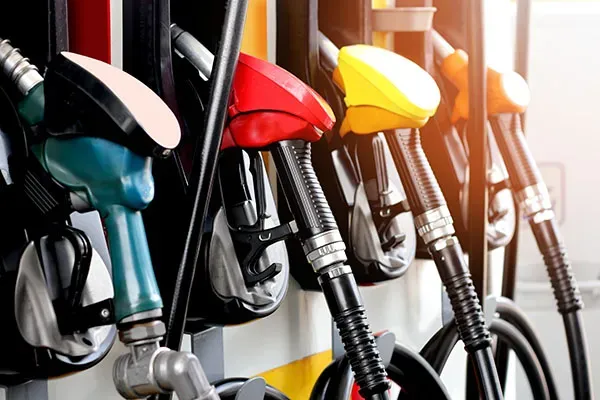
Ghana's government has announced a two-month suspension of the GHC1 Energy Sector Shortfall and Debt Repayment Levy (D-Levy) on diesel, effective immediately through November. The move represents a direct intervention aimed at easing pressure on fuel prices and providing respite to transporters, businesses and consumers already grappling with elevated operational costs.
The D-Levy, a tax mechanism introduced to shore up the energy sector and service debt obligations, has been a consistent addition to pump prices. Its temporary removal means diesel purchasers will see a direct reduction of GHC1 per litre during the October and November period, a meaningful saving for commercial operators and households dependent on fuel-powered services.
Who feels the immediate impact
This suspension will be felt most acutely by the transport sector—tro-tro operators, haulage firms and commercial drivers who shoulder fuel as a major operating expense. With diesel prices fluctuating based on global crude benchmarks and the cedi's exchange rate, any domestic levy reduction can translate into lower fares or improved margins. Small and medium-sized enterprises relying on generators or fuel-powered machinery will also benefit from the reduced input costs.
Consumers may see indirect benefits through potentially lower transport fares and food prices, though market transmission of such relief is rarely immediate or complete. Electricity generation could also see modest cost pressures eased if power plants dependent on diesel reduce their fuel procurement costs.
Why it matters for Ghana
Ghana's energy sector has faced persistent challenges, with the D-Levy introduced as a policy tool to bridge funding gaps and repay accumulated debts within the industry. However, such levies have inflationary implications, particularly in a context where transportation costs ripple through the entire economy. The suspension signals government acknowledgment that current fiscal pressures warrant short-term relief, even if it means temporarily forgoing revenue earmarked for energy debt servicing.
The timing—ahead of the year-end festive season—suggests a political-economic calculation to ease consumer hardship during a period of typically high demand and spending. It also reflects broader concerns about cost-of-living pressures that have dominated public discourse. However, suspension is temporary, meaning the levy will likely return in December unless explicitly extended or rescinded, raising questions about the long-term sustainability of such stop-start measures.
For Ghana's fiscal framework, this move represents a trade-off: immediate relief for citizens versus deferred revenue collection that will eventually need to be recovered or replaced through alternative funding mechanisms. The energy sector's debt servicing obligations remain unchanged, suggesting those costs may be absorbed elsewhere or pushed forward into 2025.
What comes next
Government communication on whether this suspension will be extended beyond November remains crucial. Stakeholders—from transport unions to energy sector players—will be monitoring whether this becomes a permanent policy shift or merely a temporary electoral-cycle gesture. The broader question of how to structure energy levies without creating cascading inflationary effects continues to challenge policymakers.
Citizens and businesses should note the suspension's end date and prepare for potential price adjustments in December, whilst monitoring government announcements for any further policy decisions on the D-Levy's future.
Source: 3News

Comments (0)
Be the first to comment.